Introduction
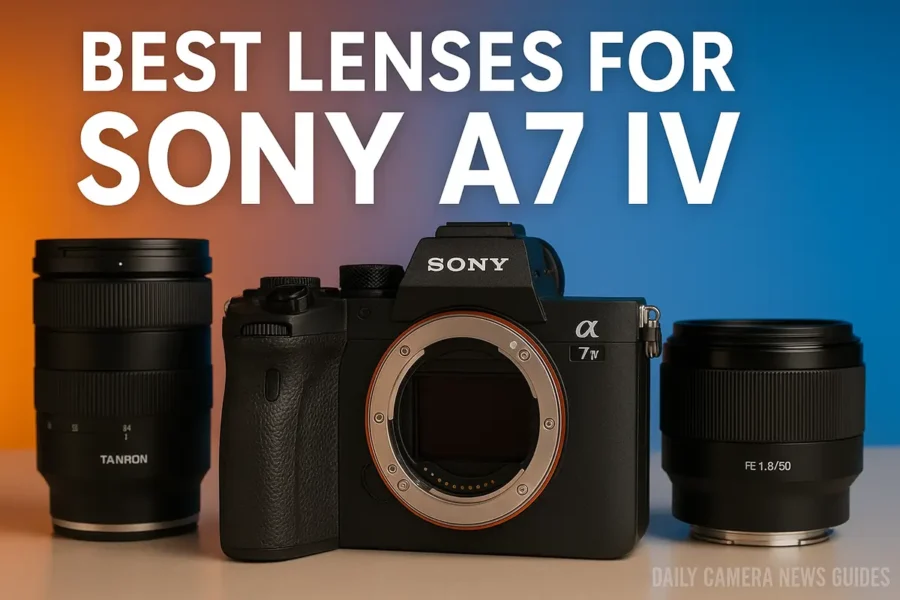
If you’ve got the Sony A7 IV, you’re in one of the best places for lens options on full-frame mirrorless. But choosing the right lens can be overwhelming. I’m going to walk you through eight excellent lenses (compatible with the A7 IV’s full-frame E-mount) arranged by user-profile: new buyers → intermediate users → advanced/pro. You’ll see budget vs premium, general purpose vs specialist. I’ll also inject some trusted review insights so you’re making a smart choice.
1. Entry / New Buyer – Affordable Prime
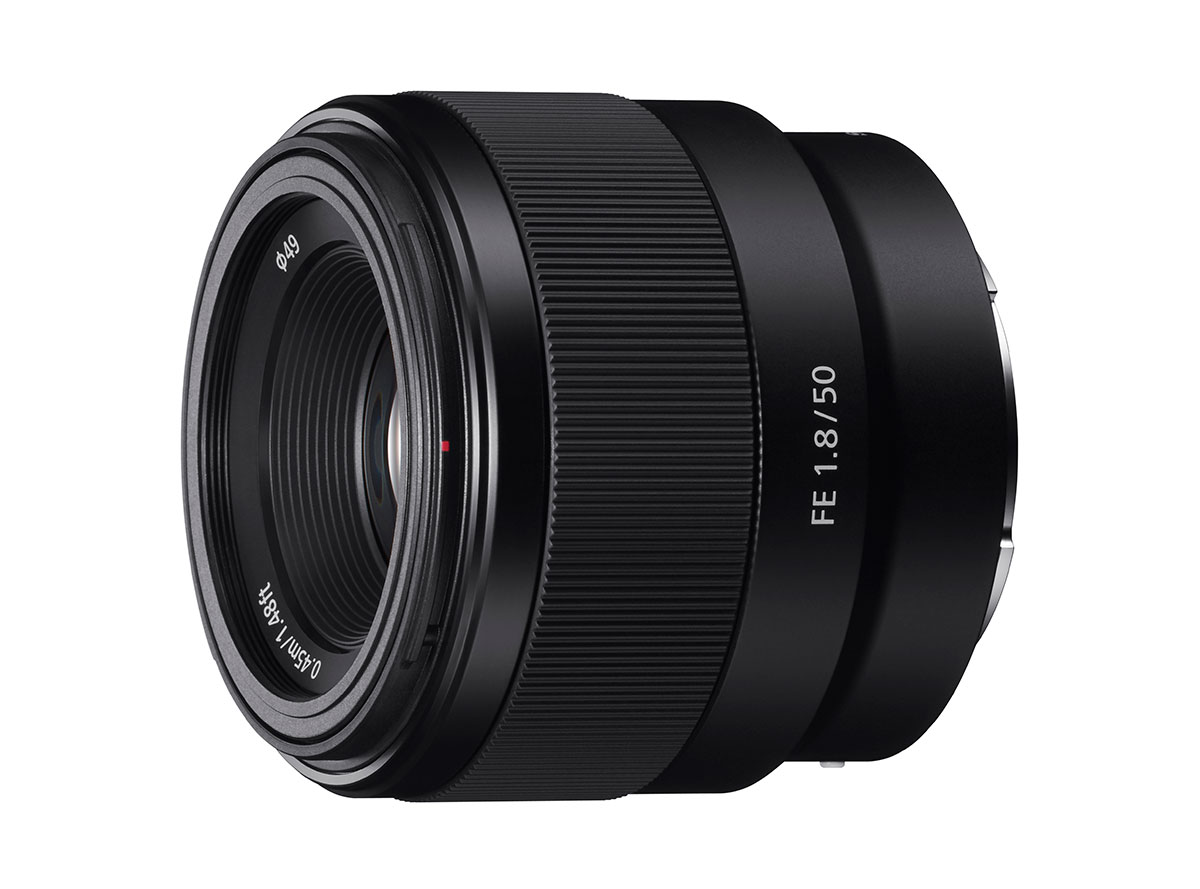
Buy the Sony FE 50mm f/1.8
Search Sony FE 50mm f/1.8 on Amazon
Tip: Great “nifty fifty” to get started with full-frame; sharp, fast aperture, good value.
Why this works: As a new A7 IV owner you might want to keep cost down while still getting full-frame performance. A 50mm f/1.8 gives you sharp images, decent low light ability, and is compact. Reviewers highlight it as excellent value.
Best for: Everyday shooting, portraits, stepping into full-frame without breaking the bank.
2. General Purpose All-Round Zoom
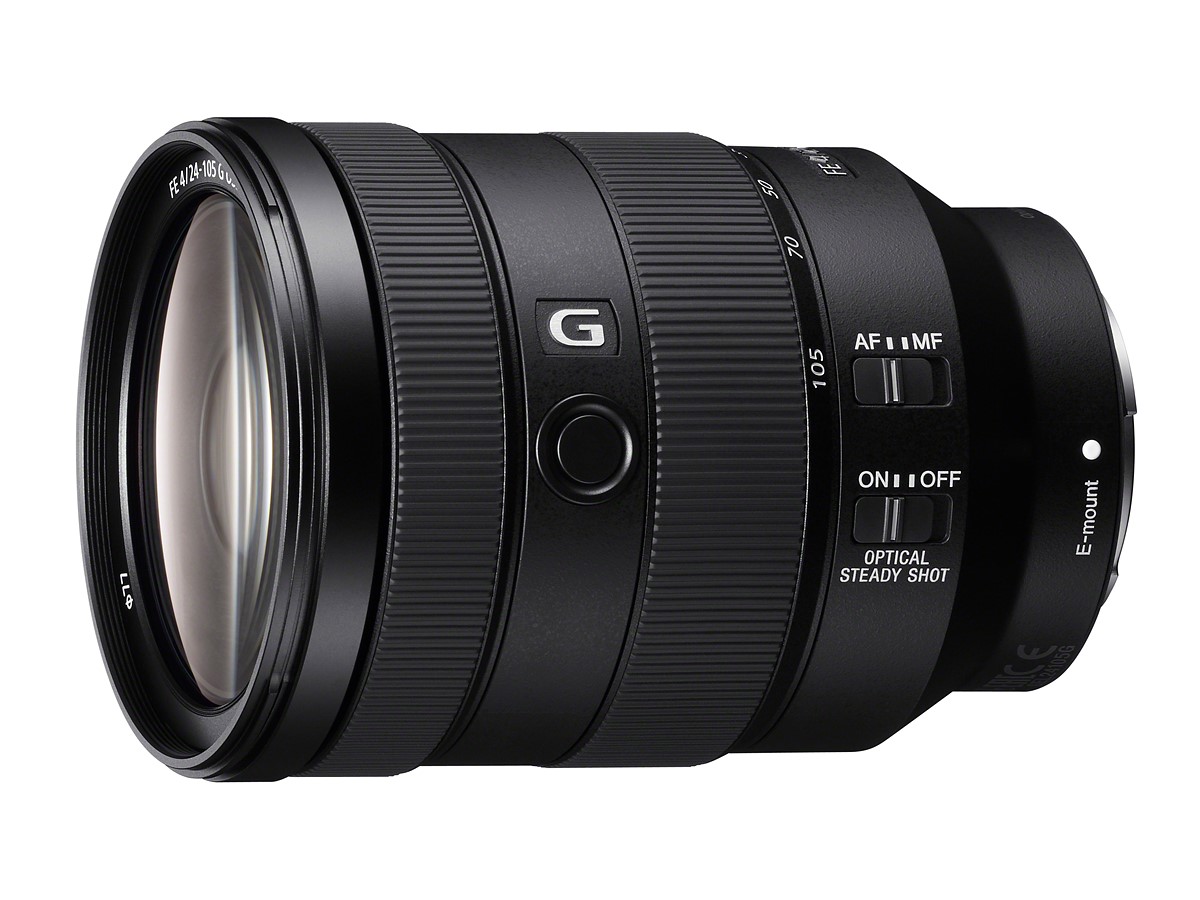
Buy the Sony FE 24-105mm f/4 G OSS
Search Sony FE 24-105mm f/4 G OSS on Amazon
Tip: One-lens solution for many situations — if you want “buy once” and cover many focal lengths.
Why this works: This zoom covers wide to medium telephoto (24-105mm) so it’s extremely versatile—travel, events, everyday. While not ultra fast (f/4), for many users it strikes the right balance. Review sources list it as strong all-round.
Best for: Owners who want flexibility in one lens and may upgrade later.
3. Step Up Aperture Zoom for Enthusiasts
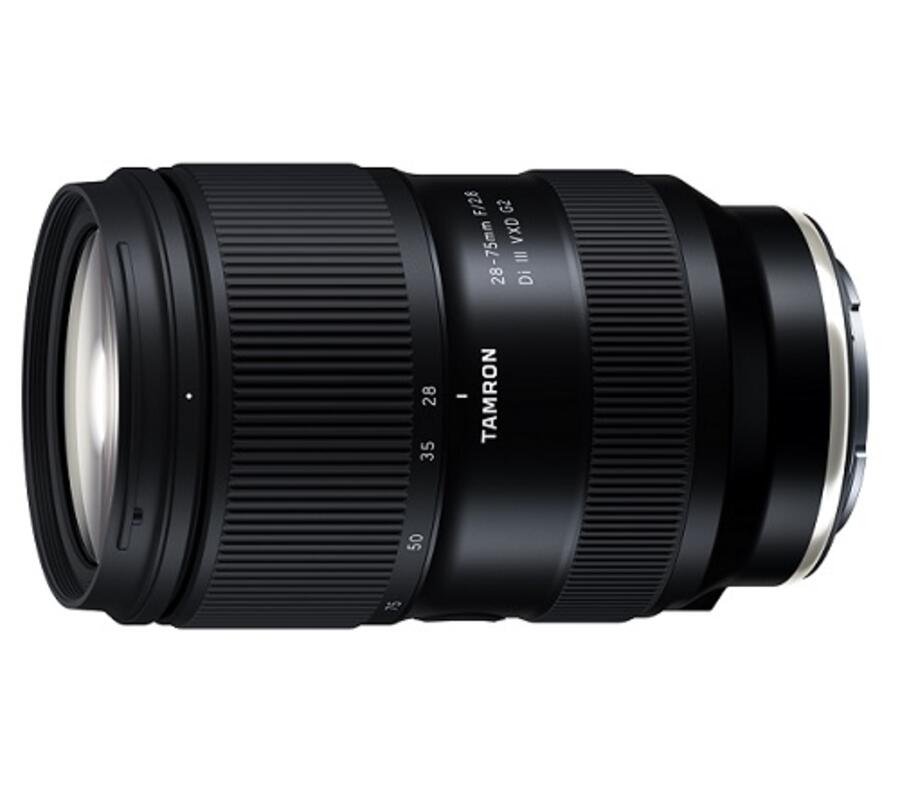
Buy the Tamron 28-75mm f/2.8 G2
Search Tamron 28-75mm f/2.8 G2 on Amazon
Tip: Excellent “everyday zoom” with professional-grade aperture for hobbyists stepping up.
Why this works: Compared to an f/4 lens, the f/2.8 gives you significantly better low light and depth of field control. Many A7 IV users looking to upgrade talk about this lens as a “sweet spot”.
Best for: Intermediate shooters who already use their A7 IV and want better image quality without going full pro budget.
4. Specialist Portrait Prime
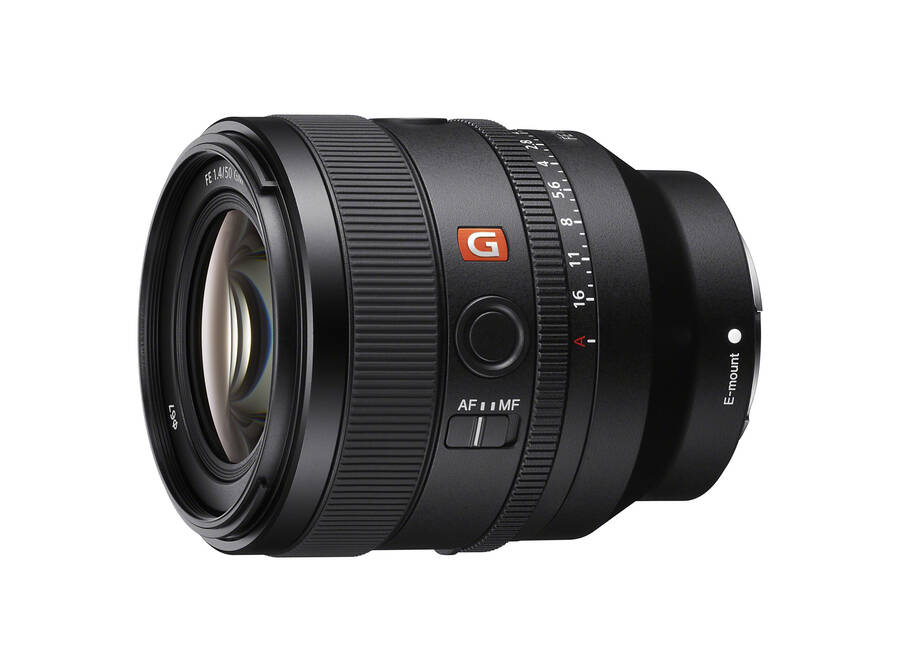
Buy the Sony FE 50mm f/1.4 GM
Search Sony FE 50mm f/1.4 GM on Amazon
Tip: Premium prime for portraits, low-light work and those who care about bokeh and high performance.
Why this works: When you’re shooting more portraits or creative work, a fast prime such as f/1.4 gives beautiful background separation. It’s more expensive, but the step up in image quality is noticeable.
Best for: Enthusiasts ready to get serious about prime lenses, portrait work or low-light.
5. Wide-Angle Zoom for Landscapes & Video
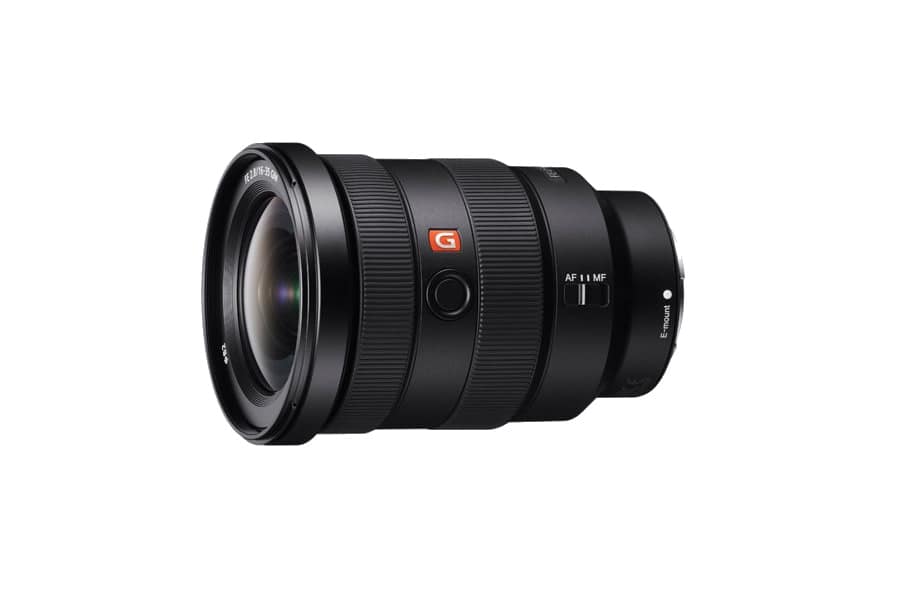
Buy the Sony FE 16-35mm f/2.8 GM II
Search Sony FE 16-35mm f/2.8 GM II on Amazon
Tip: Great for landscapes, wide-angle events, travel, and professional video use where you need edge-to-edge sharpness.
Why this works: Wide angle is a different requirement: for landscapes, architecture, video – and many reviewers call the 16-35mm f/2.8 GM II a top pick for the A7 IV.
Best for: Users who already own a standard zoom and want to branch into wider perspectives.
6. Telephoto Zoom for Events / Wildlife
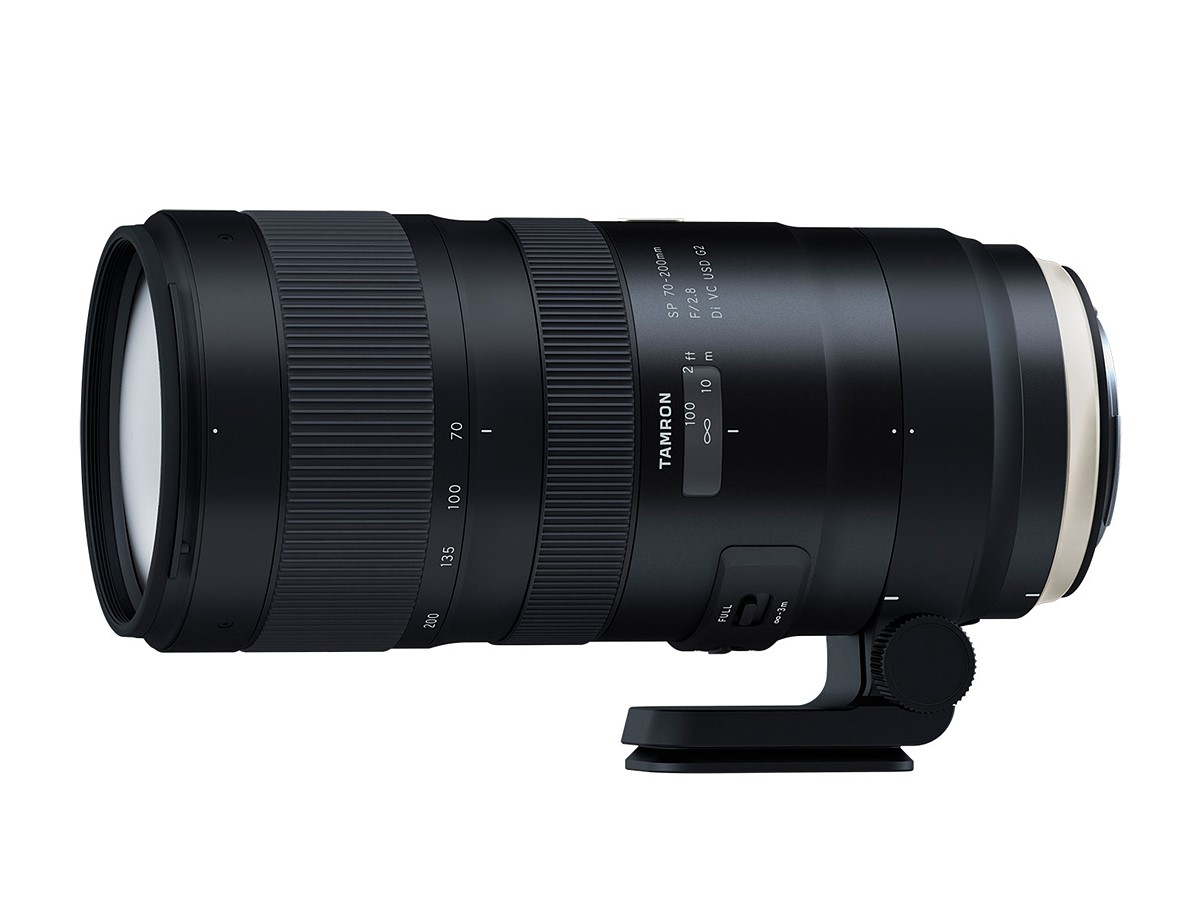
Buy the Tamron 24-200mm/70-300mm Telephoto Zoom
Search Tamron 70-300mm f/2.8 Lens on Amazon
Tip: Telephoto zoom for events, weddings, wildlife or any situation where you need reach and good aperture.
Why this works: Once you start doing event work or need more reach, telephoto zooms become essential. Forums cite 70-200mm f/2.8 as one of the top telephoto lenses for A7 series.
Best for: Advanced users, event shooters, semi-pro telephoto needs.
7. Standard Zoom (Pro Level)
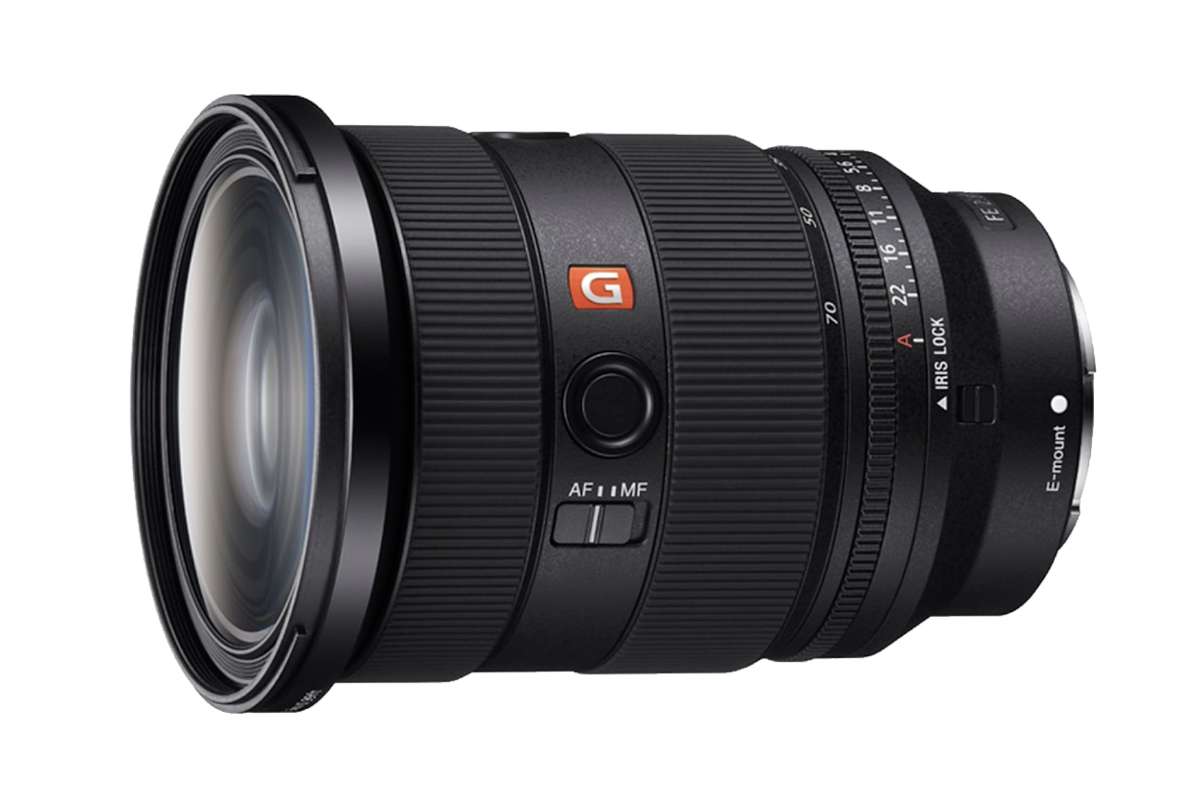
Buy the Sony FE 24-70mm f/2.8 GM II
Search Sony FE 24-70mm f/2.8 GM II on Amazon
Tip: This is your workhorse standard zoom if you’re doing professional work—weddings, commercial, video—invest in it once and use for years.
Why this works: It’s often cited as the “must have standard zoom” for full-frame mirrorless professionals. Reviewers say the GM II is sharper, lighter than previous generation.
Best for: Pro or semi-pro shooters, those investing seriously in glass and keeping their gear long-term.
8. High-End Telephoto (Top Tier)
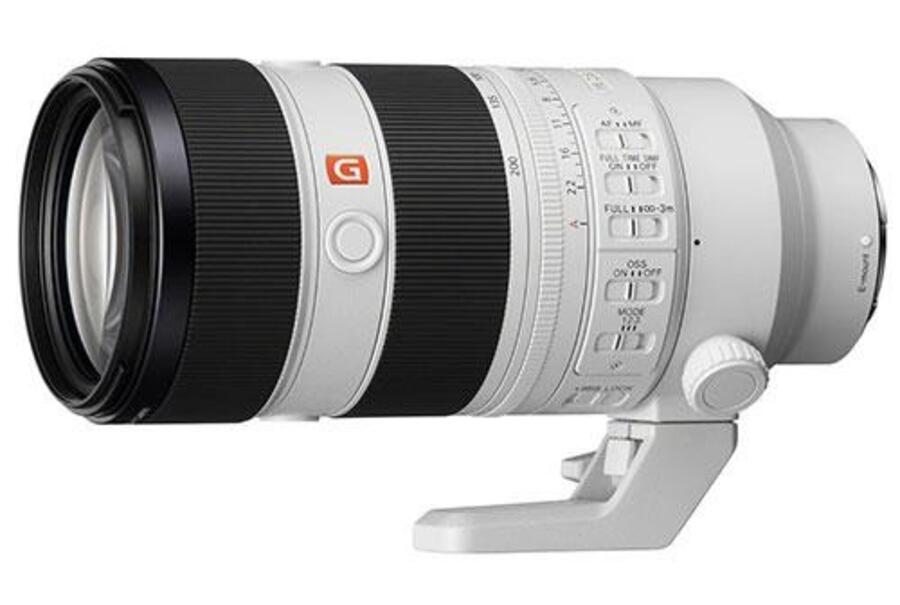
Buy the Sony FE 70-200mm F2.8 GM
Search Sony FE 70-200mm f/2.8 on Amazon
Customers praise the lens’s build quality, with one noting it’s the best glass they can buy, and appreciate its super sharp images and beautiful background blur.
Why this works: Even though it’s not ultra-tele, this prime gives you excellent optical quality at a moderate cost. For true advanced telephoto, you can swap to something like the 70-200mm f/2.8 GM. From our research, telephoto is essential for advanced use.
Best for: Advanced users who carry a second lens, want sharp prime performance, or want to lighten their kit.
Choosing Based on Your Profile
-
Just starting: Go with #1 (50mm f/1.8) or #2 (24-105mm f/4) to keep budget sensible while getting quality.
-
Intermediate user: If you already have the body and maybe a kit lens, upgrade to #3 (28-75mm f/2.8) or add #4 (50mm f/1.4 prime) for creative work.
-
Advance / pro user: Build out your kit with #5 (16-35mm f/2.8), #6 (telephoto zoom), and #7 (24-70mm f/2.8 GM II) as your core rig. #8 (additional prime/secondary lens) fills specialized roles.
-
Budget considerations: You don’t have to buy the most expensive immediately—good glass can last through multiple camera bodies.
-
Future proofing: Premium lenses (GM series, fast primes) often hold value and perform at top end when you upgrade.
-
Lens weight & size: Especially if you carry gear for travel, lighter zooms/primes make a big difference in comfort.
-
Video vs photo: If you’re doing video, consider lenses with smooth aperture rings, minimal focus breathing (many GM lenses are optimized). Reviews highlight this for the A7 IV.
Final Summary
Your A7 IV is a superb body; pairing it with the right lens is just as important as upgrading the sensor. From affordable starter primes to high-end zooms, the eight lenses above cover a full spectrum of use-cases and budgets. Choose the lens that fits your workflow today, while keeping your future growth in mind.
Frequently Asked Questions (FAQs)
Q1: Do I need full-frame (FE) lenses for the A7 IV?
Yes — the A7 IV is a full-frame mirrorless camera using Sony’s E-mount. To get full-frame coverage and optimal quality you want FE-mount (full-frame E-mount) lenses. Third-party lenses for that mount also work.
Q2: Should I buy a zoom lens or primes first?
It depends on your use: If you want flexibility and travel/events capability, a zoom (like 24-105mm or 24-70mm) makes sense. If you want ultimate image quality or creative work (portraits, low light), primes (like 50mm f/1.8 or f/1.4) may be better. Many photographers start with a good zoom and add primes later.
Q3: What aperture should I aim for?
For general shooting f/4 is acceptable (especially with strong body like A7 IV). But for low light and beautiful background blur, f/2.8 or faster (f/1.8, f/1.4) is better. The step up in optical performance can be significant.
Q4: Are third-party lenses okay (e.g., Tamron)?
Yes — many reviewers suggest third-party lenses offer excellent value and performance. For instance, the Tamron 28-75mm f/2.8 is highly rated for the A7 series.
Q5: Will these lenses work for video on the A7 IV?
Absolutely. Many of these lenses have features beneficial for video: smooth autofocus, de-clicked aperture rings (on some GM lenses), good build quality. If you shoot both photo & video, investing in higher-end lenses can pay off.
Q6: When should I upgrade my lens instead of my camera body?
Often, lens upgrades give more visible improvements than body upgrades (especially when your body is already capable like the A7 IV). If you find that your current lens limits you (poor in low light, not sharp enough, wrong focal range), upgrading the lens first is smart.

See More DCN on Google
Add Daily Camera News as a trusted source to see our latest camera reviews, deal alerts, and photography news first in Google Search.
Explore Recommended Gear
Looking for the best cameras, lenses, and accessories? Check out our curated, hand-picked gear lists on Amazon.