Updated for 2026
Wildlife photography presents some of the toughest challenges: fast-moving animals, unpredictable lighting, long reaches, rugged conditions. With that in mind, in this guide we’ve rounded up the best cameras for wildlife photography in 2026: from full-blown pro bodies built to handle monster telephotos, to compact systems delivering huge effective reach, to a bridge-style camera that gives you enormous zoom in one package. Every pick here is fast to focus, quick to shoot, and built to handle the outdoors. Just as importantly, each sits in a system with a lens and accessory ecosystem — long glass, teleconverters, rugged grips, weather-sealing and batteries that last.
Below you’ll find each camera’s key features, who it’s for, and why it stands out in the field of wildlife photography.
Quick checklist: what to look for
- Autofocus & subject tracking — animal/bird eye detection is a must.
- Burst speed & buffer — to capture action sequences.
- Reach / lens ecosystem — strong telephoto options and teleconverters.
- Durability & weather sealing — field-ready build.
- Portability — lighter rigs for long hikes or secondary bodies.
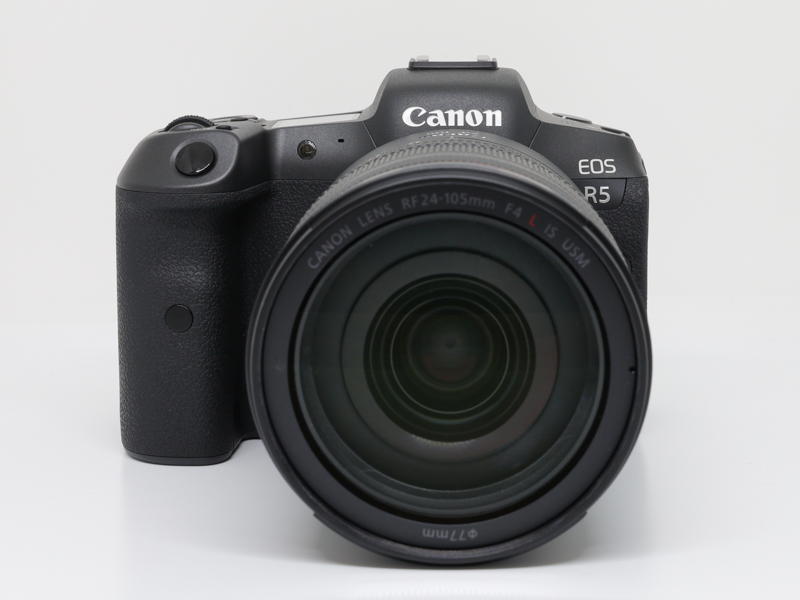
Canon EOS R5 — Pro full-frame workhorse
Key Features
-
45 MP full-frame sensor, excellent image quality for cropping and large prints.
-
Ultra-fast autofocus with subject (animal & bird) tracking, which is critical when photographing wildlife in motion.
-
Weather-sealed, rugged build – ideal for shoots in the field where dust, moisture and rough handling are realities.
-
Works with a strong ecosystem of RF-mount lenses, teleconverters and accessories built for wildlife and outdoor work.
Who It’s For
-
Experienced photographers who want a pro-level full-frame body for wildlife, ready to pair with long telephoto lenses (e.g., 500mm f/4, 600mm, 800mm + teleconverters).
-
Those who will shoot in challenging outdoor environments, need fast burst rates, and require a camera that can keep up with action.
-
Budget is ample; this is a premium investment with premium benefits.
Why it stands out: The R5 combines high resolution, advanced animal eye detection and fast burst performance — making it a favorite for serious wildlife shooters who pair it with long RF telephotos and teleconverters. It’s weather-sealed and built for the field.
Approx. US price: ~$2,899 (body only).
Buy the Canon EOS R5
Tip: pair with a 500mm or 600mm RF lens + 1.4x teleconverter for big-cat and bird work.
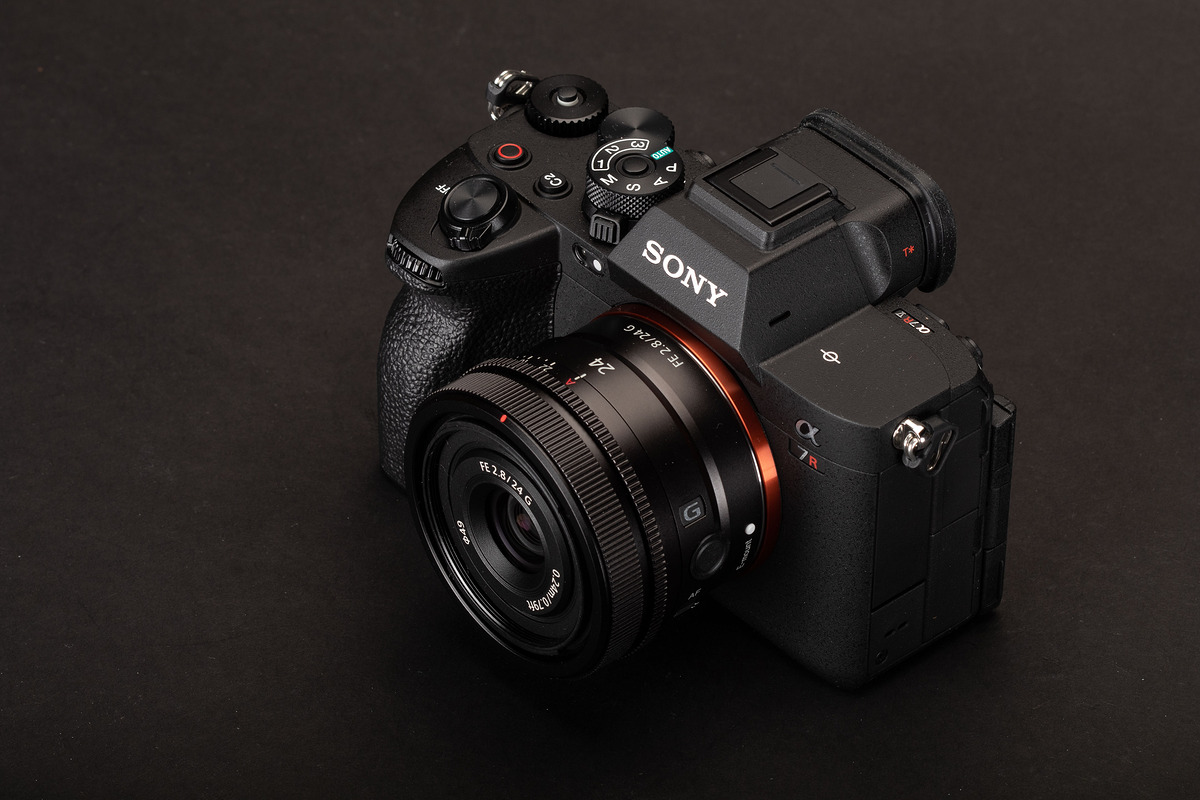
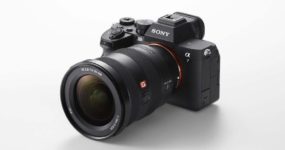
Sony A7R V — resolution and tracking for detailed crops
Key Features
-
Full-frame mirrorless body with very high resolution (ideal when you shoot distant wildlife and need to crop).
-
Sony’s excellent autofocus system, including animal and bird eye-tracking, which is a big plus for wildlife photography.
-
Large lens ecosystem (E-mount) including many excellent telephoto options; good for long-reach work.
Who It’s For
-
Wildlife photographers who prioritise resolution, large prints, or want flexibility for both wildlife and other genres (landscape, studio).
-
Those already invested in Sony E-mount system or planning to build out a long-lag telephoto rig.
-
If budget allows and you want “everything plus” performance in one body.
Why it stands out: The A7R V offers extremely high resolution and a mature AF system with real-time subject recognition — perfect for birders and wildlife photographers who need extra pixels for aggressive cropping and large prints. Reviews and field tests highlight its strengths for wildlife capture.
Approx. US price: often $3,000–$3,500 (varies with promotions).
Buy the Sony A7R V
Tip: pair with a 200–600mm G OSS or 600/4 G for birds and mammals.
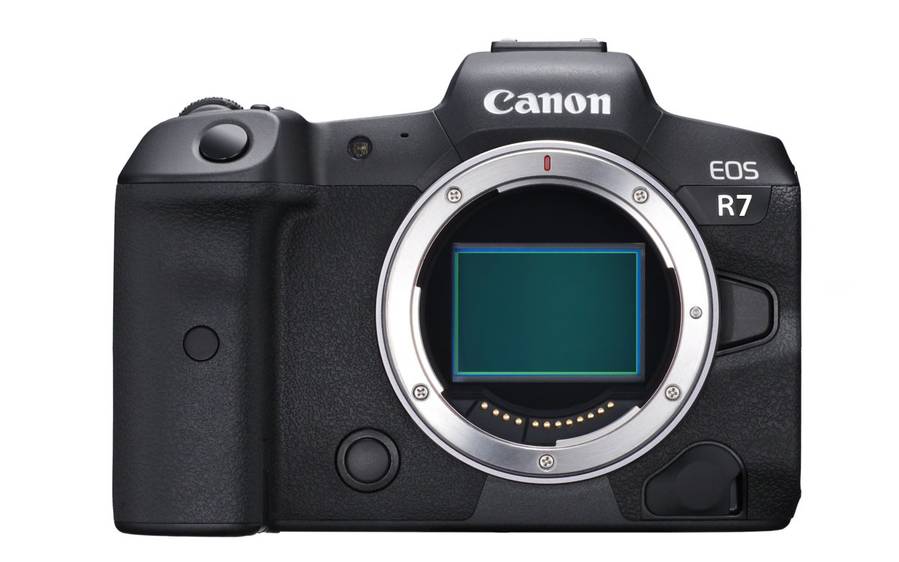
Canon EOS R7 — APS-C reach for less
Key Features
-
APS-C sensor (crop-factor) which effectively gives more reach for telephoto lenses — a benefit in wildlife photography when you’re trying to fill your frame with distant animals.
-
Excellent autofocus and burst rates for its class — good value for wildlife work.
-
More budget‐friendly than full-frame pro bodies, making it a strong option for serious enthusiasts.
Who It’s For
-
Enthusiast wildlife photographers who want serious performance without the sticker price of the top-tier gear.
-
Nature and bird shooters who benefit from the crop-factor for extra reach.
-
Travel segments, fieldwork or secondary bodies where weight and budget matter.
Why it stands out: An APS-C body with modern autofocus and fast shooting — the crop factor gives you extra effective focal length, making telephotos cheaper and lighter while still delivering reliable tracking for wildlife. Great choice for enthusiasts and travelling birders.
Approx. US price: ~$1,449 (body only) depending on kit promotions.
Buy the Canon EOS R7
Tip: ideal with RF-S and RF telephoto zooms for travel-friendly reach.
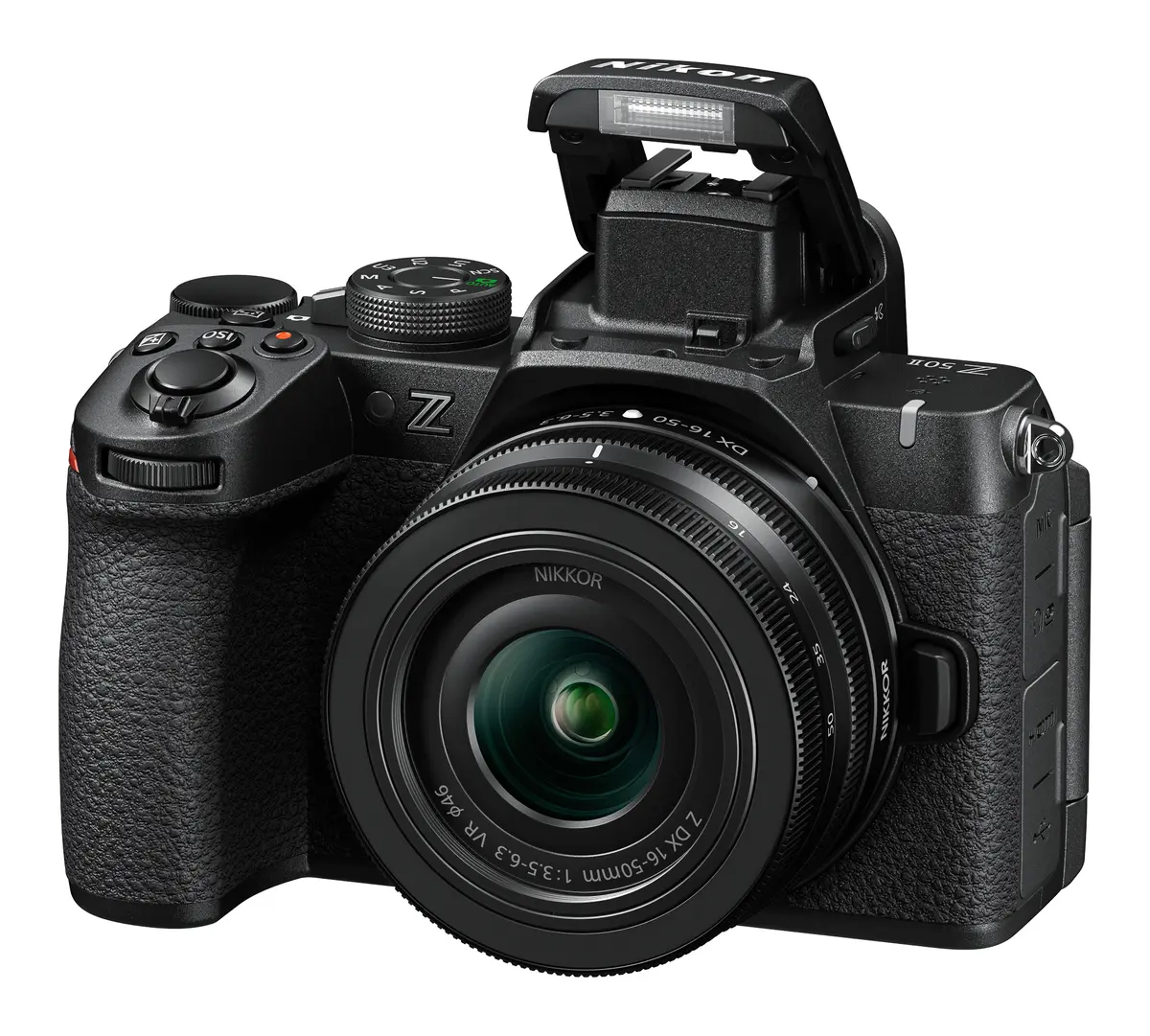
Nikon Z50 II — lightweight APS-C option
Key Features
-
A more compact and lightweight mirrorless body with APS-C sensor — good for travel, hiking and lighter rigs.
-
Offers key wildlife features (fast tracking, decent burst rate) at a more accessible budget/weight.
-
Nikon’s Z-mount means access to a growing ecosystem of lenses including wildlife-capable telephoto options.
Who It’s For
-
Budget-conscious wildlife photographers who still want a capable system but don’t need (or can’t afford) the highest-end pro bodies.
-
Travel wildlife photographers, birders, nature enthusiasts who prioritise portability and value.
-
As a secondary body for heavier rigs — for when you want something lighter without compromising too much.
Why it stands out: The Z50 II balances performance and portability. It’s an excellent travel or secondary body for wildlife shooters who want good AF and a lighter kit. Nikon’s growing DX Z-mount lens lineup makes it a practical choice.
Approx. US price: varies by kit (~$700–$900 body & lens kits). Check retailers for the latest offers.
Buy the Nikon Z50 II
Tip: pair with Nikkor Z DX telephoto zooms for a lightweight tele setup.
Bridge camera option — huge reach without changing lenses
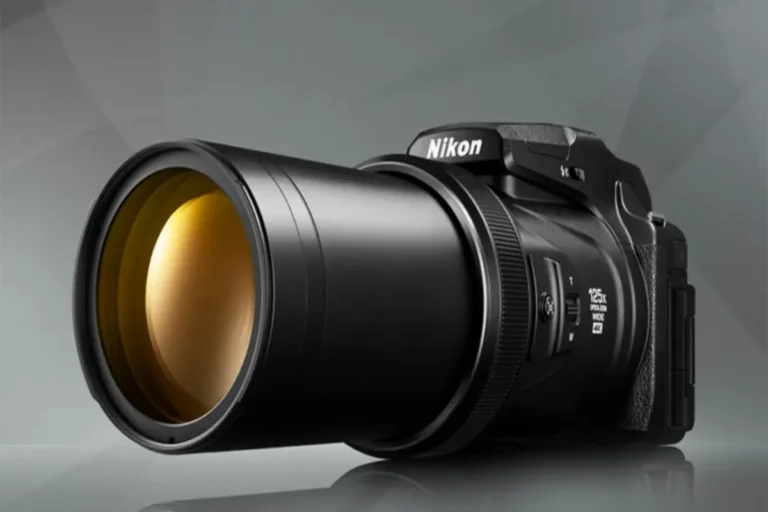
If you want massive reach without the cost/weight of giant telephotos, a high-end bridge camera (one body + huge zoom) is worth considering — for example the Sony RX10 series remains a top bridge recommendation for 1-inch sensor bridge cameras thanks to its zoom range and fast internal performance. Bridge cameras can be easier for beginners or travelers who need reach without switching lenses.
Search bridge cameras on Amazon
What Makes a Camera Great for Wildlife Photography?
When you’re choosing the best cameras for wildlife photography, you’ll want to factor in a few key attributes:
-
Autofocus & Subject-Tracking: Animals move unpredictably. Strong AF systems with animal/bird eye-tracking make a big difference.
-
Burst Rate / Buffer / Speed: For action and fast movement, high frames-per-second and deep buffers help capture the decisive moment.
-
Reach / Lens Ecosystem: Telephoto reach is essential for wildlife; also consider teleconverters. APS-C crop or smaller-sensor systems can amplify reach.
-
Durability & Weather-Sealing: Outdoor conditions demand rugged bodies, weather-resistance, and durability.
-
Portability & Weight: Fieldwork often involves hiking, moving quickly — lighter systems can help.
-
System Support (lenses/accessories): A camera is only as good as its lenses; ensure you have strong telephoto options and accessories built for wildlife work.
-
Image Quality & Low-Light Performance: Many wildlife shots happen at dawn/dusk; good ISO performance, dynamic range, and stabilisation help.
Final thoughts — choosing the right system
Whether you’re gearing up for a safari, birding trip, remote wilderness shoot or simply photographing wildlife closer to home, the right camera matters. The models above cover the range from heavy-duty professional bodies (for monster telephotos and demanding conditions) to more affordable, travel-friendly systems. Choose according to your budget, shooting style, telephoto requirements, and how much weight you’re willing to carry
There’s no single “best” camera for every wildlife photographer — the choice depends on your target species, preferred shooting distance, budget and how much gear you’re willing to carry. If you need maximum image detail and cropping ability, high-resolution full-frame bodies (like the Sony A7R V or Canon R5) shine. If you want effective reach for less weight and cost, APS-C bodies (Canon R7, Nikon Z50 II) are excellent. For one-camera simplicity with massive zoom, consider a bridge camera.
Remember: gear doesn’t replace skill — but the best cameras for wildlife photography will give you the edge: faster focus, better tracking, rugged build and access to long-reach glass. Pair them with the right lens, know your subject and conditions, and you’re set to capture breathtaking wildlife moments.
check out our updated
Best Camera for Wildlife Photography in 2026 (Under $2500)
.



[…] Photography hub for tutorials and field tips, or compare Canon bodies with other systems in our best wildlife cameras guide. Budget-conscious shooters may also want to review our best wildlife cameras under $2500 (2026) […]