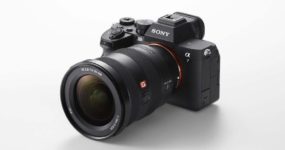
Finding the best budget wildlife camera under $1500 in 2026 is no longer about settling for less, it is about choosing the right balance of speed, autofocus, and reach. Modern mirrorless cameras in this price range now offer advanced animal detection, fast burst shooting, and reliable tracking that were once reserved for professional wildlife bodies.
The under $1500 segment remains incredibly strong because it delivers what wildlife photographers actually need in the field. You get fast continuous shooting, accurate autofocus for birds and animals, and solid image quality without paying for premium features that only matter in extreme professional workflows. For most photographers, this price range represents the smartest value-to-performance zone for wildlife photography.
A major reason these cameras perform so well is the continued advantage of APS-C mirrorless systems. With their natural crop factor, APS-C sensors effectively extend your focal length, making distant wildlife easier to frame while keeping lenses smaller and more affordable. While full frame cameras still excel in low light and dynamic range, APS-C bodies often deliver better real-world wildlife results per dollar, especially for bird and action photography.
This guide is built specifically for beginner to intermediate wildlife photographers who want dependable performance without overspending. If you are upgrading from a DSLR, moving to mirrorless for the first time, or looking for a serious wildlife camera that can grow with your skills, these recommendations focus on cameras that deliver consistent results in real shooting conditions, not just impressive specs on paper.
If your goal is to capture sharp wildlife images, track fast-moving animals reliably, and make a confident buying decision without crossing the $1500 line, you are in exactly the right place.
Who This Guide Is For
This guide is made for photographers who want to capture wildlife in real-world conditions, not staged or slow-moving subjects. If you shoot on safaris, birding trips, nature walks, or outdoor adventures where moments happen fast and rarely repeat, choosing the right camera matters more than chasing flagship specs.
It is especially ideal for beginner to intermediate wildlife photographers who are serious about improving their results. Whether you are upgrading from an older DSLR, moving to mirrorless for the first time, or replacing an entry-level camera that struggles with fast action, the cameras in this guide are selected to deliver consistent performance without unnecessary cost.
This guide focuses on photographers who prioritize fast action, long lenses, and reliable autofocus. Tracking birds in flight, following animals through dense environments, and reacting quickly to unpredictable movement all demand autofocus systems that lock on fast and stay locked. That is why every camera featured here is evaluated based on real wildlife usability, not just lab numbers.
If you want a wildlife camera that feels confident, responsive, and dependable in the field, while staying under the $1500 budget line, this guide is built specifically with your needs in mind.
2026 Context: What Matters Most for Wildlife Photography
In 2026, choosing the right wildlife camera is no longer about megapixels or brand loyalty. What truly matters is how quickly and reliably your camera can detect, track, and capture moving animals in unpredictable environments. The cameras that perform best in wildlife scenarios are the ones that prioritize speed, autofocus intelligence, and system flexibility.
Subject detection and animal autofocus have become the single most important feature for wildlife photography. Modern cameras can now recognize birds, mammals, and even eyes in motion, allowing photographers to focus on composition instead of fighting focus points. A camera with reliable animal and bird AF dramatically increases your keeper rate, especially when shooting fast or erratic wildlife.
Burst rate and buffer depth are just as critical. Wildlife moments often last only a fraction of a second, and the ability to shoot long, uninterrupted bursts can be the difference between missing the shot and capturing the perfect frame. Cameras with higher frames per second and a usable buffer give you confidence when tracking action, whether it is birds in flight or animals suddenly changing direction.
The crop advantage of APS-C sensors continues to be a major advantage for wildlife photographers in this price range. The extra reach provided by APS-C effectively turns your telephoto lenses into more powerful tools without increasing size or cost. While full frame cameras still have their place, APS-C systems often deliver better wildlife reach per dollar, making them especially attractive under the $1500 budget line.
Finally, and most critically, the lens ecosystem matters more than the camera body itself. Wildlife photography depends heavily on long telephoto lenses, and a strong ecosystem means more affordable options, better future upgrades, and easier access to third-party glass. Choosing a camera system with a mature wildlife lens lineup is a long-term investment decision, not just a short-term purchase.
Quick Answer (TL;DR)
If you want the best overall budget wildlife camera under $1500, the Canon EOS R7 is still the safest pick in 2026. It delivers class-leading animal autofocus, extremely fast burst shooting, and a powerful APS-C crop advantage that makes wildlife photography easier, more reliable, and more affordable in real-world conditions.
Overall Winner: Canon EOS R7 remains the most balanced choice for wildlife photographers who want fast action performance, dependable tracking, and access to one of the strongest telephoto lens ecosystems on the market. It is the camera we recommend to most people without hesitation.
Best APS-C Value: Sony a6700 offers excellent autofocus intelligence, strong burst performance, and outstanding image quality in a compact body. It is a great option if you want modern AF reliability with a lighter, travel-friendly setup while staying firmly under the $1500 budget.
Best for Wildlife + Video: Sony a6700 is also the best choice if video matters alongside wildlife photography. With advanced subject tracking in video, solid thermal performance, and strong hybrid capabilities, it stands out as the most video-aware option in this price range.
If you want to make a confident buying decision quickly, these three picks cover the vast majority of wildlife use cases under $1500. The sections below explain why each camera excels and help you choose the one that fits your shooting style best.
If you’re still undecided between APS-C and full frame systems, our in-depth wildlife camera guide breaks down real-world shooting scenarios and lens costs.
Best Budget Wildlife Cameras Under $1500 (Our Top Picks)
Below are the best budget wildlife cameras under $1500 that consistently deliver fast autofocus, reliable tracking, and strong real-world performance. These picks are based on wildlife-specific needs like animal detection, burst speed, crop advantage, and long-term lens ecosystem value, not just spec sheet comparisons.
Canon EOS R7
The Canon EOS R7 stands out as the most complete wildlife camera under $1500. Its advanced animal and bird autofocus, extremely fast burst rates, and APS-C crop sensor make it exceptionally effective for capturing fast-moving wildlife and birds in flight.
With its crop advantage, the R7 allows photographers to get more reach from telephoto lenses without increasing size or cost. Combined with Canon’s strong RF lens ecosystem and third-party support, it remains a long-term wildlife investment rather than a short-term upgrade.
Check Canon EOS R7 Prices on Amazon
Tip: A perfect match with affordable RF and RF-S telephoto lenses for wildlife and bird photography.
Sony a6700
The Sony a6700 is one of the most reliable autofocus performers in this price range, especially when tracking animals and birds. Sony’s subject detection is fast, sticky, and accurate, making it a favorite among photographers who value consistency over burst-heavy shooting.
What truly sets the a6700 apart is its hybrid wildlife and video capability. It delivers excellent wildlife autofocus while also offering strong video features, making it ideal for creators who shoot both stills and motion in nature-focused workflows.
Check Sony a6700 Prices on Amazon
Tip: Best choice if you plan to invest in Sony E-mount telephoto lenses and shoot both wildlife photos and video.
Nikon Z50 II
The Nikon Z50 II is a solid and often overlooked option for wildlife photographers who value ergonomics and handling. Its comfortable grip, intuitive controls, and lightweight body make it well suited for long shooting sessions in the field.
Paired with Nikon’s growing Z-mount ecosystem, the Z50 II offers a dependable entry into mirrorless wildlife photography. While it may not lead the class in burst speed, it delivers consistent autofocus and excellent image quality for its price.
Check Nikon Z50 II Prices on Amazon
Tip: A great choice if you plan to grow within the Nikon Z ecosystem over time.
Canon EOS R10
The Canon EOS R10 is the most budget-safe entry point into serious wildlife photography under $1500. It offers fast autofocus, responsive handling, and access to Canon’s RF lens lineup at a more accessible price.
While it lacks some of the advanced features of the R7, the R10 still delivers strong wildlife results for beginners who want a reliable, affordable camera that does not feel limiting as skills improve.
Check Canon EOS R10 Prices on Amazon
Tip: Ideal if you want Canon autofocus performance at the lowest possible entry cost.
Wildlife Camera Comparison (Decision-Based)
This comparison focuses on real wildlife decision points, not marketing specs. Each camera below is evaluated based on autofocus reliability, burst performance, low-light usability, lens ecosystem strength, and long-term value for wildlife photographers.
| Use Case | Canon EOS R7 | Sony a6700 | Nikon Z50 II | Canon EOS R10 |
|---|---|---|---|---|
| Autofocus & Animal Detection | ★★★★★ Outstanding bird & animal tracking |
★★★★★ Extremely reliable subject detection |
★★★★☆ Solid, but less advanced |
★★★★☆ Fast and accurate for its class |
| Burst Speed & Buffer | ★★★★★ Excellent for fast wildlife action |
★★★★☆ Strong burst, moderate buffer |
★★★☆☆ Limited for extended bursts |
★★★★☆ Fast bursts, smaller buffer |
| Low Light Wildlife | ★★★★☆ Very good APS-C performance |
★★★★☆ Clean files, good ISO handling |
★★★☆☆ Acceptable but less forgiving |
★★★☆☆ Good, but not a low-light leader |
| Lens Ecosystem | ★★★★★ Strong RF & RF-S options |
★★★★★ Mature E-mount ecosystem |
★★★☆☆ Growing but still limited |
★★★★★ Full access to Canon RF system |
| Long-Term Investment | ✅ Recommended Most future-proof choice |
✅ Recommended Excellent hybrid longevity |
⚠️ Depends Best for Nikon loyalists |
⚠️ Depends Great entry, upgrade later |
| Best For | Serious wildlife & bird photography Check current price |
Wildlife + video hybrid shooters Check current price |
Nikon users & ergonomic shooters Check current price |
Budget-focused wildlife beginners Check current price |
If lens availability is your top priority, our mirrorless lens ecosystem comparison explains which brands offer the best long-term value.
Best Camera by Use Case
Not every wildlife photographer shoots the same way. Some prioritize birds in flight and fast action, others need a lightweight travel setup, and some want strong video alongside wildlife photography. Below are the best wildlife cameras under $1500 based on the most common real-world use cases.
Best for Wildlife Photography (Birds & Action)
If your main focus is birds in flight, fast-moving animals, and unpredictable action, the clear winner is the Canon EOS R7. Its advanced animal and bird autofocus, extremely fast burst rates, and APS-C crop advantage make it the most effective wildlife-focused camera in this price range.
The Sony a6700 is a strong alternative if you value autofocus consistency and compact size, but for pure wildlife action, the R7’s burst performance and reach give it a noticeable edge in the field.
Best Pick for Wildlife Action: Canon EOS R7
Check Canon EOS R7 Prices
Tip: Ideal for bird photography and long telephoto wildlife shooting.
Best for Travel & Lightweight Wildlife
For photographers who hike, travel, or shoot wildlife on the move, size and weight matter. The Sony a6700 stands out as the best lightweight wildlife camera under $1500, offering excellent autofocus performance in a compact, travel-friendly body.
The Canon EOS R10 is a solid budget-friendly alternative if you want fast autofocus and access to Canon’s RF lens ecosystem at a lower entry cost, while keeping your kit small and manageable.
Best Travel Wildlife Camera: Sony a6700
Check Sony a6700 Prices
Tip: Perfect for wildlife photographers who travel frequently and want a lighter setup.
Best for Wildlife + Video
If video is part of your workflow, Sony dominates this category. The Sony a6700 is the best wildlife camera under $1500 for hybrid shooters, combining reliable animal autofocus in both photo and video with strong thermal performance for longer recording sessions.
It is the most balanced choice if you create wildlife documentaries, nature reels, or mixed photo-video content and want one camera that handles both without compromise.
Best Hybrid Wildlife & Video Camera: Sony a6700Check Sony a6700 Prices
Tip: The smartest choice for creators who shoot both wildlife photos and video.
Final Recommendation
Choosing the best budget wildlife camera under $1500 ultimately comes down to what you care about most in the field. All of the cameras in this guide are capable, but each one shines in a slightly different role depending on your shooting style and long-term goals.
If you care most about fast action, bird photography, and maximum reach, the Canon EOS R7 is the clear choice. Its combination of advanced animal autofocus, high burst speed, and APS-C crop advantage makes it the most reliable wildlife-focused camera in this price range.
If you want a lighter, more travel-friendly setup or plan to shoot both wildlife photos and video, the Sony a6700 is the smartest pick. It offers excellent autofocus reliability, strong hybrid performance, and one of the most mature lens ecosystems available today.
If you are entering wildlife photography on a tighter budget and want a safe, modern starting point, the Canon EOS R10 delivers fast autofocus and access to Canon’s RF system without unnecessary complexity or cost.
Daisy’s Tip: If you plan to invest in wildlife lenses long-term, choose your camera system carefully. Camera bodies change every few years, but lenses stay with you for a decade or more. A strong lens ecosystem will matter far more to your wildlife results than small differences between camera bodies.