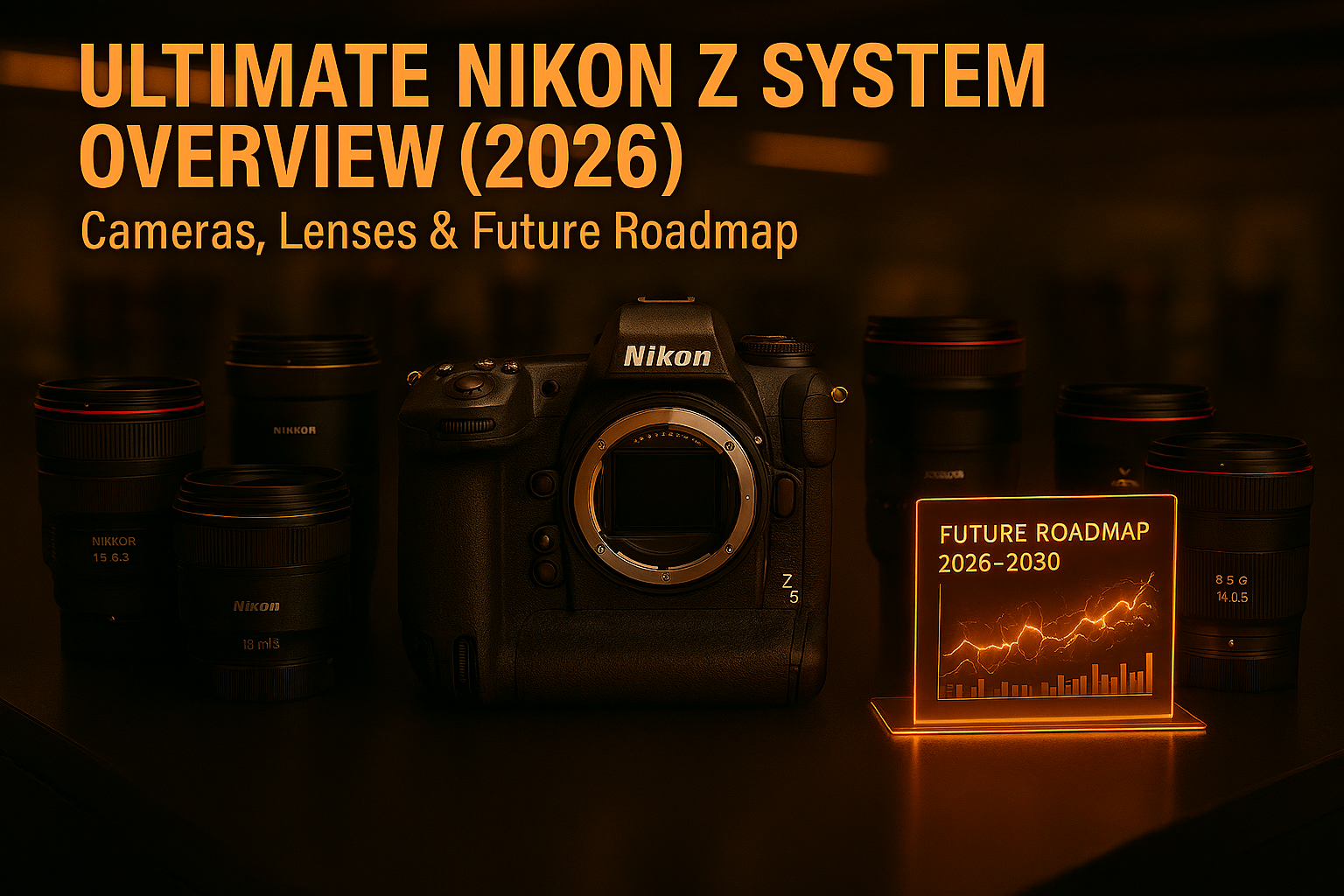
Why Choose the Nikon Z System?
The Nikon Z System represents Nikon’s full commitment to mirrorless design: a modern mount architecture, a rapidly expanding lineup of Nikkor Z lenses, and bodies that target everyone from casual shooters to high-end professionals. Whether your focus is stills, high-frame-rate action, or cinema-grade video, the Z ecosystem offers a compelling mix of optical quality, build reliability, and real-world performance.
At the core of the platform is the combination of a wide-diameter Z mount and a short flange distance, which gives lens designers more freedom to produce fast, compact optics with excellent edge-to-edge sharpness. Pair that with Nikon’s refined image processing, advanced autofocus systems, and growing in-body stabilization across many models, and you get a system that excels at both high-resolution work and fast-action shooting.
Another major strength is the lens-first approach Nikon has taken: Nikkor Z primes and zooms now cover everything from ultra-wide and travel-friendly optics to pro-level telephoto and specialty lenses. In addition, reliable adapters let legacy F-mount glass remain useful, so photographers moving from DSLRs can keep investments while enjoying mirrorless benefits.
For hybrid creators — photographers who also shoot video — the Z lineup increasingly offers cinema-friendly features, high-quality codecs, and robust thermal designs on flagship bodies. For enthusiasts and beginners, Nikon’s crop-sensor Z DX options deliver an affordable, lightweight entry point into the same lens ecosystem, preserving upgrade paths as needs evolve.
In this guide, we’ll unpack the entire Nikon Z ecosystem: the camera lineup, the most important Nikkor Z lens families, recommended kits by use case, compatibility notes, and what to expect on the Z roadmap. Whether you’re choosing your first Z camera or planning a long-term system upgrade, this guide will help you make a confident decision.
Nikon Z System Overview
The Nikon Z System was engineered around a modern mirrorless philosophy: a larger mount, shorter flange distance, and improved communication between lens and camera. This combination gives Nikon a powerful platform for future innovations in autofocus, lens design, image quality, and video capabilities. Below is a quick breakdown of what sets the Z ecosystem apart.
1. The Large-Diameter Z Mount
Nikon’s Z mount is one of the widest full-frame mounts on the market, measuring 55mm in diameter. This wide opening allows more light to reach the sensor and gives lens designers greater flexibility to build:
- extremely fast primes (f/1.2 series)
- compact yet sharp f/2.8 zooms
- high-resolution S-Line lenses with excellent edge-to-edge clarity
The result is a lens lineup that consistently performs well across resolution, bokeh quality, and low-light performance.
2. Short Flange Distance (16mm)
The reduced flange distance enables more compact camera bodies and contributes to the optical advantage of Z lenses. It also makes adapting legacy glass easier, especially with Nikon’s FTZ II adapter, which maintains autofocus and metering compatibility with most modern F-mount lenses.
3. Two Sensor Formats: FX (Full Frame) & DX (APS-C)
Nikon divides its lineup into two clear branches:
- Z FX (Full Frame): For professionals and advanced creators who need superior image quality, dynamic range, and robust video features.
- Z DX (APS-C): Lightweight, budget-friendly bodies ideal for beginners, travel photographers, and hybrid shooters on a budget.
Both formats share the same mount, so full-frame Z lenses work on both FX and DX bodies.
4. IBIS and Autofocus Improvements
Most Nikon Z FX bodies feature advanced in-body image stabilization (up to 8 stops on current flagships), greatly improving handheld shooting performance. Autofocus has also improved significantly across generations, with better subject detection for humans, animals, and vehicles — especially on newer models like the Z8 and Z9.
5. A Rapidly Expanding Lens Ecosystem
Nikon’s Nikkor Z lens lineup has matured into one of the most diverse and optically refined selections available today. The S-Line series, in particular, offers professional-grade performance with weather-sealing, premium coatings, and video-friendly characteristics. Nikon continues to release new lenses annually, with strong momentum in telephoto, compact travel primes, and wide-angle zooms.
6. A Future-Proof Platform
The Z mount’s architecture allows Nikon to push into high-resolution, high-speed, and cinema-oriented bodies in the coming years. The system roadmap is strong, with updates expected in both the FX and DX segments, including refreshed mid-range and flagship bodies.
Next, we’ll dive into the full Nikon Z camera lineup — from entry-level DX cameras to pro-grade flagships — and highlight which models are best suited for different types of creators.
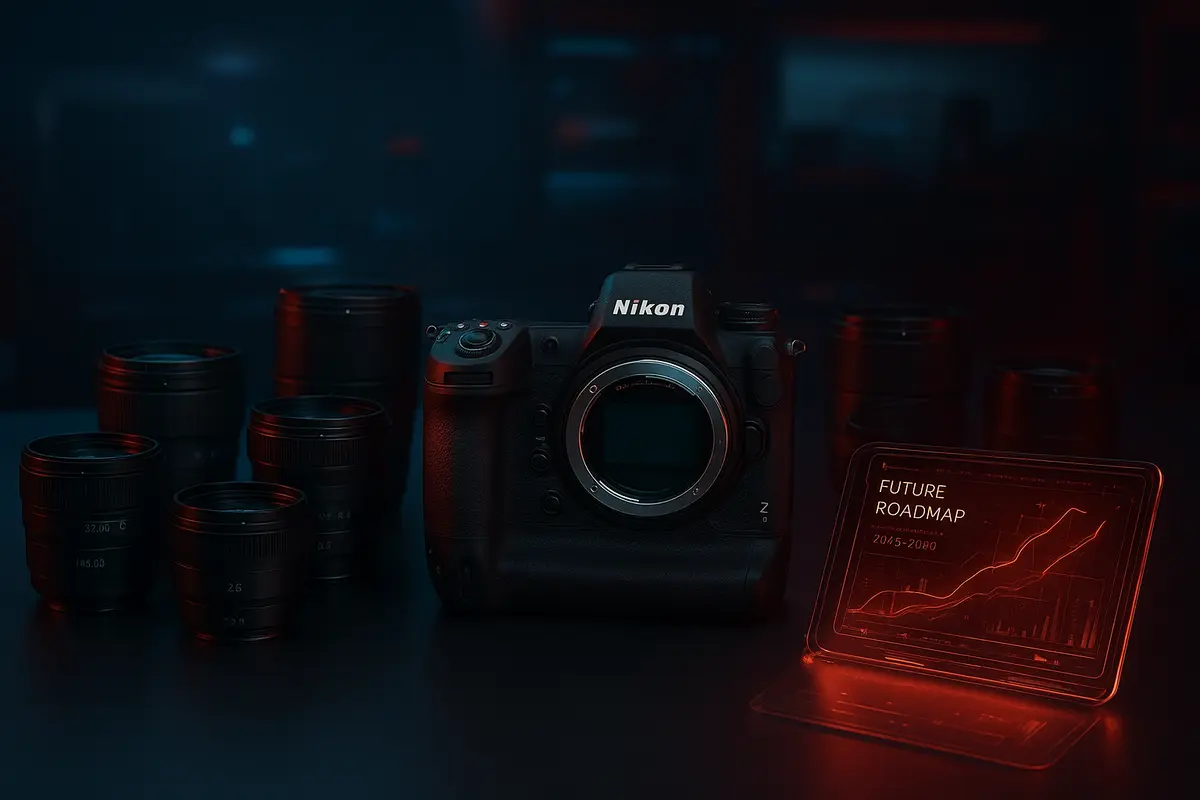
Nikon Z Camera Lineup (Complete — Current, Recent Additions & 2026 Rumors)
Here is an up-to-date and expanded overview of Nikon’s Z-series mirrorless cameras — covering APS-C (DX), full-frame (FX), recent additions, and upcoming models based on rumor coverage.
APS-C / DX Segment (Entry-Level & Creator-Focused)
- Nikon Z30 – Lightweight and compact mirrorless body aimed at vloggers, creators, travel and entry-level photographers.
- Nikon Z50 – Versatile APS-C mirrorless camera with good autofocus and lens compatibility, suitable for enthusiasts and travelers.
- Nikon Z fc – Retro-styled APS-C body popular among creators who value compact size plus stills/video versatility.
- Nikon ZR – A newer addition to the DX line announced recently. (See Nikon ZR announcement).
Full-Frame / FX Segment (Mid — Professional Range)
- Nikon Z5 – Entry-level full-frame mirrorless, bridging price/performance for FX users.
- Nikon Z6 II – Balanced hybrid mirrorless body for photo + video work.
- Nikon Z6 III – Latest revision in the Z6 line, announced as a modern mid-range full-frame mirrorless body. (See Z6 III official announcement).
- Nikon Z7 II – High-resolution full-frame body for landscape, portraits, studio; balanced with video features.
- Nikon Z8 – Pro-level full-frame hybrid mirrorless with advanced AF / IBIS / video — bridging flagship Z9 and lighter bodies.
- Nikon Z9 – Nikon’s current flagship mirrorless body, designed for professional work including sports, wildlife, high speed shooting, video and commercial use.
2026 Rumors & Upcoming Releases
- Potential Nikon Z9 II – According to recent coverage, Nikon may release a successor to the Z9. For full details on what’s expected, see the Nikon Rumors coverage: Nikon Z9 Mark II Camera (Rumor).
- Possible Nikon Z7 Mark III – Rumors suggest Nikon is preparing a next-gen high-resolution full-frame mirrorless body in the Z7 line. More on these expectations here: What to Expect from Nikon Z7 Mark III.
- Upcoming Nikkor Z 70-200mm f/2.8 VR S II Lens – According to sources, Nikon is working on an updated 70–200 mm f/2.8 zoom in the S-line: Nikkor Z 70-200mm f/2.8 VR S II Update.
- For a full roundup of all Nikon Z system rumors and pipeline items, check the Nikon Rumors tag page: All Nikon Rumors @ DailyCameraNews.
Lens Ecosystem & Lens-Guide References
For a comprehensive look at the Nikkor Z lens lineup and lens recommendations tailored to every shooting style and budget, see these detailed lens-guide articles:
- Best Nikon Z Lenses: Top Picks for Every Photographer in 2025
- Nikon DX Mirrorless Lenses: The Ultimate Guide for Every Style and Budget
Together with the camera lineup above, these guides help you pair bodies and lenses correctly based on your photography or video needs.
Note: Rumored models and release dates may change — always verify with official Nikon announcements before pre-ordering or planning kit upgrades.
Nikon Z Lens System Explained
The Nikon Z-mount lens ecosystem has grown into one of the most complete, versatile, and forward-looking systems in the industry. With excellent optical quality, fast apertures, compact primes, pro-grade zooms, and expanding DX lens options, Nikon now supports photographers and filmmakers across every category — from beginners to elite professionals.
Why the Z-Mount Matters
Nikon’s Z-mount was engineered with a large 55mm diameter and a short 16mm flange distance. This design allows for:
- Sharper corner-to-corner optical performance
- Brighter lenses with wide apertures (f/1.2, f/1.8, f/0.95 in some cases)
- More compact lens designs compared to DSLR equivalents
- Excellent AF consistency for both photos and video
The result: Nikon can build lenses that outperform older F-mount optics while staying lighter and more modern in design.
Full-Frame / FX Nikkor Z Lenses
Nikon’s FX lineup is one of the strongest in the mirrorless space. Key categories include:
- f/1.2 & f/1.8 Prime Lenses – 35mm f/1.8, 50mm f/1.2, 85mm f/1.8 S.
- Pro Zoom Series (Holy Trinity) – 14–24mm f/2.8 S, 24–70mm f/2.8 S, 70–200mm f/2.8 VR S.
- Ultra-Wide Options – 14–30mm f/4 S, 20mm f/1.8 S.
- Telephoto & Super-Telephoto – 100–400mm, 400mm f/2.8 TC, 600mm f/4, 800mm PF.
- Affordable Zooms – 24–50mm, 24–200mm, 28–75mm f/2.8.
Nikon DX / APS-C Lenses
The APS-C ecosystem continues to expand, especially after the popularity of the Z30, Z50, Z fc and the newly announced ZR. Nikon now supports DX creators with:
- 16–50mm f/3.5–6.3 VR (compact kit zoom)
- 50–250mm VR (telephoto)
- 12–28mm PZ (power zoom for vlogging & video)
- 24mm f/1.7 (affordable bright prime)
For a deeper dive, check the in-depth DX lens guide:
Nikon DX Mirrorless Lenses: The Ultimate Guide for Every Style and Budget
Third-Party Z-Mount Lens Options
Nikon opened the Z-mount protocol to third-party manufacturers, which accelerated ecosystem growth. Supported brands include:
- Viltrox (autofocus primes & portrait lenses)
- Sigma (expected expansion into Z-mount)
- Tamron (signed partnership with Nikon; several zooms now available)
- Laowa (unique macro & ultra-wide lenses)
This makes the Z system increasingly attractive for photographers who want options at every price point.
Recommended Reading: Nikon Z Lenses
To help readers choose the right RF lenses based on shooting style and budget, here are two must-read lens guides:
- Best Nikon Z Lenses: Top Picks for Every Photographer in 2025
- Nikon DX Mirrorless Lenses: The Ultimate Guide for Every Style and Budget
These guides complement this system overview by offering practical “which lens should I buy?” advice for every level — from beginners to professionals.
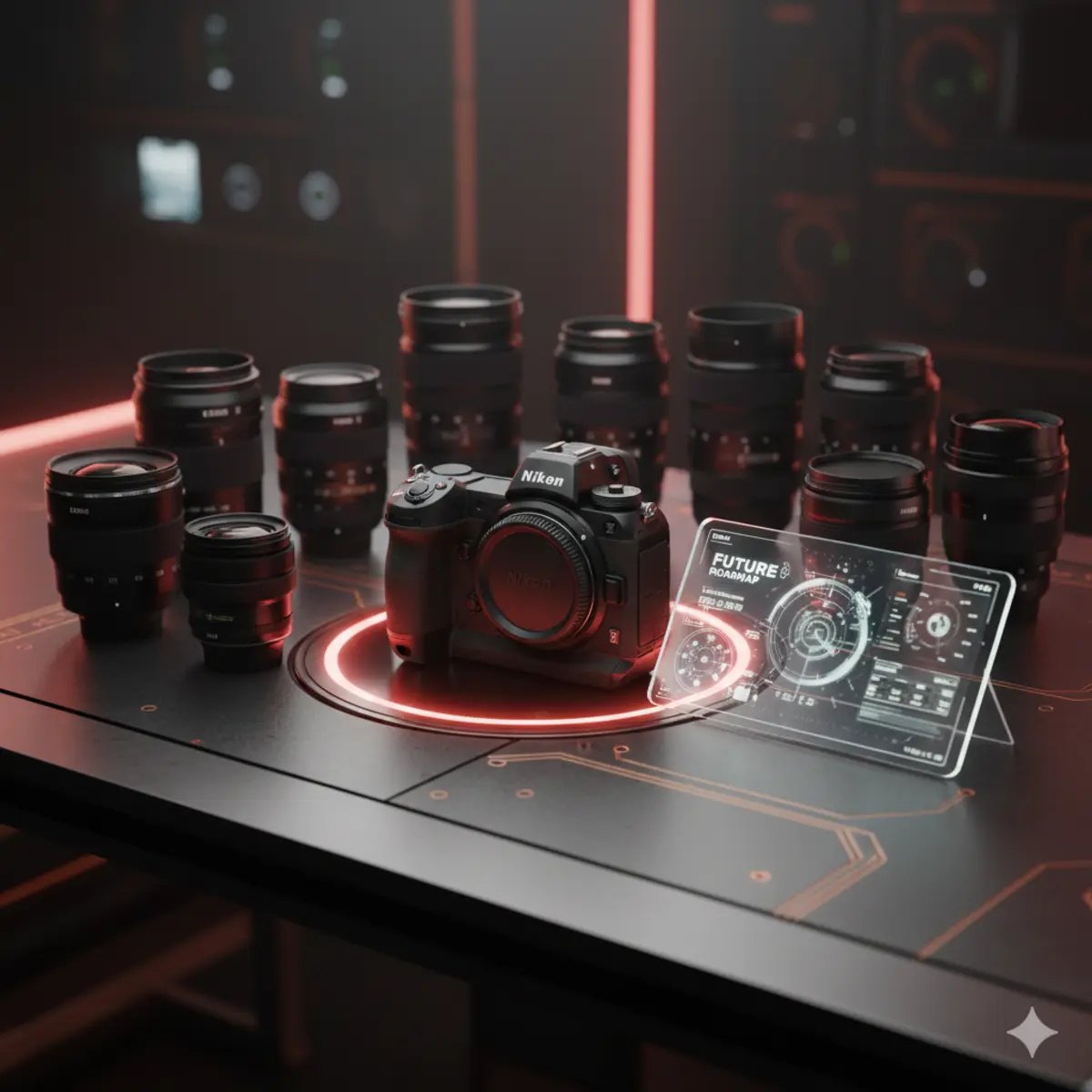
Most Popular Nikon Z Lens Categories + Recommendations
The Nikon Z ecosystem offers a wide range of lenses that suit every type of creator — from beginners and vloggers to wildlife professionals and hybrid filmmakers. Below are the most popular lens categories, plus 2–3 recommended lenses in each segment.
📸 Wide-Angle Lenses
Perfect for landscapes, travel, interiors, and environmental portraits. Nikon’s Z wide-angle lineup includes both compact options and pro-level glass.
• Nikkor Z 14-30mm f/4 S
• Nikkor Z 20mm f/1.8 S
🎯 Standard Prime Lenses
Ideal for portraits, everyday photography, and low-light shooting. These lenses deliver shallow depth of field and excellent sharpness.
• Nikkor Z 35mm f/1.8 S
• Viltrox 35mm f/1.8 Z
👥 Portrait Lenses
• Nikkor Z 85mm f/1.8 S
• Viltrox 85mm f/1.8 Z II
🦅 Wildlife & Sports Telephoto Lenses
Designed for wildlife, sports, aviation, and action photography. Nikon is extremely strong in this category.
• Nikkor Z 100-400mm f/4.5-5.6 VR S
• Nikkor Z 180-600mm f/5.6-6.3 VR
🎬 Video & Hybrid Creator Lenses
• Nikkor Z 24-70mm f/2.8 S
• Tamron 35-150mm f/2-2.8 Z
Recommended Nikon Z Kits (Camera + Lens Combos)
Here are the best Nikon Z camera + lens kit combinations based on creator type. This section is optimized for quick decision-making and Google Discover visibility.
🎬 Beginner / Content Creator Kit
Nikon Z30 + Nikkor Z DX 16-50mm f/3.5-6.3 VR
Perfect for vlogging, travel, and YouTube beginners. Lightweight, affordable, and excellent autofocus for face/eye tracking.
📷 Hybrid Creators / Everyday Shooters
Nikon Z6 III + Nikkor Z 24-70mm f/4 S
A balanced, full-frame setup for photo + video creators. Great color, dynamic range, and reliable IBIS.
🏞 Landscape & Travel Photography Kit
Nikon Z7 II / Z7 III (expected) + Nikkor Z 14-30mm f/4 S
High-resolution capture for travelers, hikers, and landscape photographers. Ultra-wide flexibility with edge-to-edge sharpness.
🦅 Wildlife & Action Photography Kit
Nikon Z8 + Nikkor Z 180-600mm f/5.6-6.3 VR
The ultimate budget-friendly telephoto wildlife combo. Excellent AF tracking and huge reach for birds, safari, and sports.
🎯 Portrait & Wedding Photography Kit
Nikon Z6 III or Z7 II + Nikkor Z 85mm f/1.8 S
Gorgeous skin tones, smooth bokeh, and fast autofocus — ideal for weddings, portraits, and lifestyle sessions.
🎥 Professional Video / Documentary Kit
Nikon Z9 II (expected) + Nikkor Z 24-70mm f/2.8 S
A flagship-level video setup offering high bitrate recording, advanced AF, and professional reliability.
⚡ Budget Full-Frame Starter Kit
Nikon Z5 + Nikkor Z 40mm f/2
An affordable entry into full-frame with excellent image quality and a compact lens for daily use.
Who Is the Nikon Z System For?
The Nikon Z ecosystem is versatile and future-ready, making it suitable for all types of creators — from beginners to professional filmmakers.
Below is a persona-based breakdown of which Nikon Z cameras and lenses fit each user type.
📸 1. Beginner Content Creators
These users want simplicity, reliable autofocus, great skin tones, and strong video quality for vlogging, TikTok, YouTube, and travel.
- Recommended Cameras: Nikon Z30, Nikon Z50
- Recommended Lenses: Nikkor Z DX 16-50mm f/3.5-6.3 VR, Nikkor Z DX 12-28mm f/3.5-5.6 PZ VR (perfect for vloggers)
- Why Choose Nikon: Class-leading colors, lightweight bodies, excellent face/eye AF for video.
For more DX lens options, check the full guide:
Nikon DX Mirrorless Lenses: The Ultimate Guide for Every Style and Budget
🎒 2. Hybrid Shooters (Photo + Video)
If you shoot both stills and video regularly — travel, lifestyle, events, YouTube — hybrid cameras are the best fit.
- Recommended Cameras: Nikon Z6 III, Nikon Zf
- Recommended Lenses: Nikkor Z 24-70mm f/4 S, Nikkor Z 40mm f/2, Nikkor Z 24-120mm f/4 S
- Why Choose Nikon: Excellent IBIS, superior low-light performance, strong color science, and great video bitrates.
See the all-around lens guide here:
Best Nikon Z Lenses: Top Picks for Every Photographer in 2025
🦅 3. Wildlife & Sports Photographers
For users who shoot birds, wildlife, action, motorsports, and fast-moving subjects.
- Recommended Cameras: Nikon Z8 (price-to-performance king), Nikon Z9, Nikon Z9 II (rumored — latest updates)
- Recommended Lenses: Nikkor Z 180-600mm f/5.6-6.3 VR, Nikkor Z 100-400mm f/4.5-5.6 VR S, Nikkor Z 400mm f/4.5 VR S, Nikkor Z 600mm f/6.3 PF
- Why Choose Nikon: Industry-leading subject tracking, rugged build, high-speed burst shooting, and PF super-telephoto advantages.
Explore all Nikon Rumors: Nikon Rumors Latest News
🎬 4. Professional Filmmakers & Video Creators
For documentary filmmakers, commercial shooters, interview setups, and multi-camera productions.
- Recommended Cameras: Nikon Zf (best color profiles), Nikon Z9, Nikon Z9 II (expected improvements in codecs & heat management)
- Recommended Lenses: Nikkor Z 24-70mm f/2.8 S, Nikkor Z 35mm f/1.8 S, Nikkor Z 50mm f/1.8 S
- Why Choose Nikon: Oversampled 4K, internal RAW options, dependable AF, and industry-grade reliability for long shoots.
🏔️ 5. Landscape, Architecture & Travel Photographers
For users who value resolution, dynamic range, and wide-angle performance.
- Recommended Cameras: Nikon Z7 II, Nikon Z7 III (expected — rumor details)
- Recommended Lenses: Nikkor Z 14-30mm f/4 S, Nikkor Z 20mm f/1.8 S, Nikkor Z 24-70mm f/2.8 S
- Why Choose Nikon: Class-leading dynamic range, excellent edge sharpness, lightweight ultra-wide zooms.
💼 6. Professional Photographers (Weddings, Portraits, Commercial)
For users who need high reliability, great skin tones, and excellent autofocus in challenging conditions.
- Recommended Cameras: Nikon Z6 III, Nikon Z8, Nikon Z9
- Recommended Lenses: Nikkor Z 85mm f/1.8 S, Nikkor Z 70-200mm f/2.8 VR S, Nikkor Z 50mm f/1.2 S
- Why Choose Nikon: Fast and accurate AF, superb color tones, and robust pro-grade ergonomics.
Not sure which Canon, Nikon, Sony, or Fujifilm mirrorless camera fits your budget? Check our
Best Mirrorless Cameras in 2025 guide for a full comparison.
Memory Cards & Media Recommendations
Choosing the right memory card is essential for getting maximum performance out of the Nikon Z system, especially for 8K video, 4K 120p slow-motion, high-FPS burst shooting, and professional wedding/sports workflows.
Supported Formats Across the Nikon Z Line
- CFexpress Type B — Z9, Z8, Z7 II, Z6 II, Z7, Z6, Zf, Z6 III
- CFexpress Type A — (Not used by Nikon — only Canon/Sony)
- XQD — Legacy support (Z7, Z6 — cross-compatible with CFexpress Type B)
- UHS-II SD — Z5, Z50, Z30, Z fc, Zf, Z6 III
Recommended Cards for Each Nikon Z Camera
⚡ Nikon Z9 / Z8 / Z6 III — 8K & High-Speed Shooting
These models require extremely fast sustained write speeds. CFexpress Type B is highly recommended.
- Delkin Black CFexpress Type B — Amazon • B&H • Adorama
- ProGrade Cobalt CFexpress Type B — Amazon • B&H • Adorama
🎥 Nikon Z7 II / Z6 II — 4K 60p Video & High-Resolution Stills
- CFexpress Type B (recommended)
- UHS-II SD (backup / secondary slot)
📸 Nikon Z5 — Full-Frame, Dual SD Slots
Fast UHS-II SD cards are the ideal choice for the Z5.
🎬 Nikon Zf — Hybrid Photo/Video Retro Body
The Zf supports both CFexpress Type B and UHS-II SD, making it extremely flexible for hybrid shooters.
🎒 Nikon Z50 / Z30 / Z fc — APS-C Creators
For these APS-C models, UHS-II SD cards provide more than enough performance.
Minimum Speeds for Popular Shooting Modes
| Shooting Mode | Minimum Recommended Speed |
|---|---|
| 8K Video (Z9/Z8) | CFexpress Type B — 1300–1500 MB/s sustained |
| 4K 120p | CFexpress Type B — 800 MB/s+ |
| 4K 60p | UHS-II V90 SD or CFexpress |
| RAW Burst (20–120 fps) | CFexpress Type B — minimum sustained 1000 MB/s |
| General Photography | UHS-II V60 SD is sufficient |
Scenarios & Best Cards
🎩 Wedding Photographers
- Z6 II / Z7 II — CFexpress Type B + UHS-II SD (backup)
⚽ Sports & Wildlife
- Z9 / Z8 — Delkin Black or ProGrade Cobalt CFexpress Type B
🎞 Filmmakers
- Z8 / Z6 III — CFexpress Type B VPG400-certified models
Choosing the Right Nikon Z Camera in 2025
Now that you understand the Nikon Z system, the next step is choosing the right camera body for your needs.
We’ve put together a complete buying guide covering beginner, hybrid, and professional Nikon Z cameras: Best Nikon Mirrorless Cameras in 2025.
“If you’re new to the Nikon Z system, start by choosing a camera body that fits your shooting style and budget. Our Best Nikon Mirrorless Cameras 2025 guide makes that decision much easier.”
Bonus: Useful Accessories & Add-ons
To get the most out of your Nikon Z kit — whether you shoot photo, video, wildlife, or travel — here are some accessory recommendations that pair especially well with the above setups:
- Best Budget Tripods for 2025 — Daisy’s Tested Picks: Affordable yet stable tripods that suit travel, landscape, and video work, ideal addition to any kit.
- Daisy Recommends: 5 Must-Have Photography Accessories (2025): A curated list of versatile accessories (filters, bags, straps, etc.) that upgrade your shooting setup without breaking the bank.
Conclusion: Should You Choose Nikon Z?
The Nikon Z system delivers a powerful blend of image quality, ergonomics, and modern mirrorless performance. With a growing lens ecosystem, excellent dynamic range, and reliable autofocus, it’s a platform that works equally well for beginners, enthusiasts, and professionals.
If you want a lightweight setup, impressive low-light performance, sharp Z-mount lenses, and strong value across the lineup,then the Nikon Z system is an excellent long-term choice.
Recommended Next Steps
- Nikon Z Cameras on Amazon → Browse Here
- Nikon Z Cameras on B&H → Browse Here
- Nikon Z Cameras on Adorama → Browse Here
Return to the Main Hub
Looking for system comparisons, lens guides, or buyer recommendations?
← Back to the Ultimate Mirrorless Camera Guide Hub