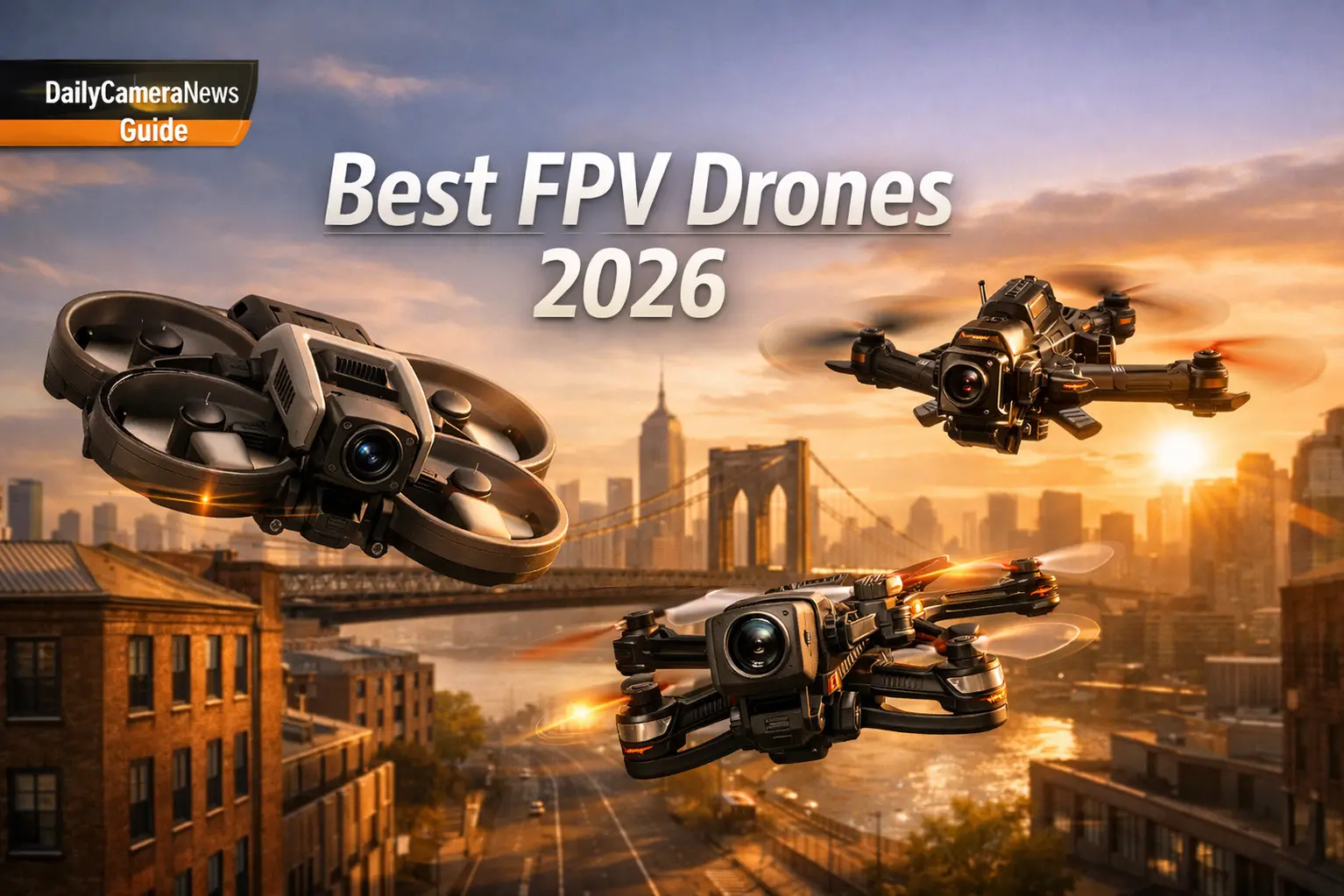
Starting a new “Best FPV Drones” buyer’s series on DailyCameraNews might be one of the smartest strategic moves this year. The drone category already exists, content creators are actively searching for immersive flight tools, and FPV has moved far beyond niche hobby status. But here’s the reality: most buyers searching for the best FPV drone are not looking for theory — they are trying to avoid an expensive mistake.
FPV drones are not regular camera drones. They are faster, more aggressive, more immersive, and significantly less forgiving. When you search for the best FPV drone, what you are really asking is this: Which model fits my skill level, my flying style, and my risk tolerance?
This guide is built as a decision engine, not a hype roundup. We are focusing strictly on true FPV characteristics: flight control feel, responsiveness, crash durability, learning curve, ecosystem stability, and long-term upgrade path. No marketing fluff. No generic specs. Just what actually matters when you’re about to spend real money.
Below, you’ll find the best FPV drones in 2026 categorized by real-world use cases: beginners, freestyle pilots, indoor flyers, and cinematic FPV enthusiasts. We also included a bonus DJI ecosystem option for those already invested in DJI gear and looking for a more controlled transition into FPV.
Best FPV Drones in 2026 (Quick Picks)
Best Beginner FPV Kit: BetaFPV Cetus Pro
Best High-Performance Freestyle: iFlight Nazgul Evoque F5 V2
Best Cinematic FPV Drone: GEPRC Cinebot30
Best Indoor FPV Drone: EMAX Tinyhawk III
Each of these drones serves a different pilot profile. Choosing correctly is more important than choosing the most powerful model. The wrong FPV drone can slow your learning curve, increase crash costs, and lead to frustration. The right one accelerates skill development and maximizes long-term value.
Why FPV Drones Are Growing So Fast
FPV drones deliver something that traditional camera drones simply cannot: true first-person flight immersion. You are not guiding a flying tripod. You are flying inside the aircraft. With low-latency video transmission and acrobatic capability, FPV creates a completely different type of aerial experience.
For many content creators, FPV adds dynamic motion and proximity flying that standard aerial footage cannot replicate. Tight indoor passes, high-speed dives, freestyle rolls, and technical maneuvers create sequences that feel raw and immersive. If you plan to mount an action camera on your FPV build for higher-quality footage, explore our guide to the best action cameras in 2025 for stabilization and mounting recommendations.
Who Should Actually Buy an FPV Drone?
You should consider an FPV drone if you enjoy manual control, fast response, and skill-based flying. FPV has a learning curve. Crashes happen. Repairs happen. But for many pilots, that process is part of the appeal. It’s not automation — it’s mastery.
You should avoid FPV if your priority is automated obstacle avoidance, effortless hovering, or beginner-friendly cinematic footage with minimal training. FPV demands practice, patience, and a willingness to improve.
Bonus Alternative: DJI FPV 2 (Full Combo) – Best for DJI Ecosystem Lovers
If you are already invested in the DJI ecosystem and want a more controlled entry into aggressive flying, the DJI FPV 2 Full Combo remains a compelling option. It blends DJI’s ecosystem reliability with higher-speed capability, acting as a bridge between traditional camera drones and pure FPV platforms.
Check DJI FPV 2 Prices on Amazon
View DJI FPV 2 at B&H
Tip: A safer transition for DJI users who want speed without committing to a full custom FPV build.
Next, we break down each of the top FPV drones individually, analyzing flight performance, durability, learning curve, and long-term value to help you make a confident buying decision.
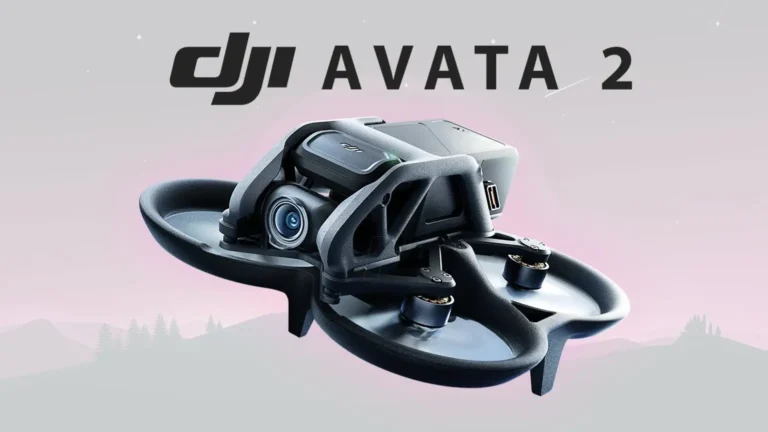
1) DJI Avata 2 – Best FPV Drone for Most People
DJI Avata 2 is the most balanced entry into FPV for the majority of buyers in 2026. It combines immersive first-person flying with DJI’s ecosystem stability, refined transmission system, and predictable flight behavior. If you want FPV excitement without going fully DIY, this is the safest high-performance choice.
The biggest advantage here is controlled aggression. Avata 2 delivers speed and agility, but it remains more forgiving than pure freestyle builds. The digital video transmission is stable, latency is low, and the overall experience feels polished rather than experimental.
The trade-off? It is not as raw or customizable as a dedicated 5-inch freestyle quad. If your goal is competitive-level freestyle tricks or full custom tuning, other models below may suit you better.
Check DJI Avata 2 Prices on Amazon
View DJI Avata 2 at B&H
Tip: Ideal if you want FPV immersion without diving into custom builds and tuning.
2) BetaFPV Cetus Pro – Best Beginner FPV Kit
If you are completely new to FPV, BetaFPV Cetus Pro is one of the smartest starting points. It is affordable, durable, and designed specifically to reduce the intimidation factor of manual flight. For first-time pilots, crash tolerance matters more than speed.
This kit typically includes goggles, controller, and drone, making it a true ready-to-fly beginner ecosystem. You are not hunting for compatible parts or worrying about firmware compatibility. You focus on learning orientation, throttle control, and basic maneuvers.
Performance-wise, it is not a powerhouse. But that is the point. It is forgiving, lightweight, and cheaper to repair. As a first FPV trainer, it minimizes financial risk while maximizing skill development.
Check BetaFPV Cetus Pro Prices on Amazon
View BetaFPV Cetus Pro at B&H
Tip: Start here if you’ve never flown manual FPV before. Upgrade later once muscle memory develops.
3) iFlight Nazgul Evoque F5 V2 – Best High-Performance Freestyle FPV
iFlight Nazgul Evoque F5 V2 is where things get serious. This is a true 5-inch freestyle machine built for aggressive maneuvers, speed, and full manual control. If you want raw FPV power, this is the category benchmark.
The Evoque F5 V2 delivers explosive acceleration, sharp response, and full customization potential. It is not beginner-friendly. It assumes you understand flight tuning, battery management, and repair basics.
The reward is unmatched control and performance. If your goal is dives, power loops, technical freestyle lines, and proximity flying at speed, this is the tool.
Check Nazgul Evoque Prices on Amazon
View Nazgul Evoque at B&H
Tip: Budget for spare props and arms. This class of drone assumes you will crash hard at some point.
4) GEPRC Cinebot30 – Best Cinematic FPV Drone
GEPRC Cinebot30 focuses on controlled cinematic FPV movement rather than pure racing aggression. It is ideal for pilots who want smooth lines, stable footage, and proximity flying without stepping into full freestyle chaos.
The Cinebot30 balances protection and performance. Ducted design elements improve safety in tighter environments while still maintaining enough power for dynamic movement. It is a middle ground between beginner platforms and raw freestyle builds.
If your objective is immersive movement rather than competition-level tricks, this model offers a strong balance of control and confidence.
Check GEPRC Cinebot30 Prices on Amazon
View GEPRC Cinebot30 at B&H
Tip: Great step-up option after mastering beginner FPV kits.
5) EMAX Tinyhawk III – Best Indoor FPV Drone
EMAX Tinyhawk III is a micro FPV platform designed for tight spaces and indoor flying. It is lightweight, agile, and perfect for practicing throttle control and orientation without risking expensive outdoor crashes.
The advantage of micro FPV drones like Tinyhawk III is lower crash impact and lower repair cost. You can build muscle memory safely before stepping into larger and more powerful 5-inch quads.
Do not expect extreme speed or long flight times. This is a training and fun platform, not a performance monster.
Check Tinyhawk III Prices on Amazon
View Tinyhawk III at B&H
Tip: Perfect indoor trainer before upgrading to a full 5-inch freestyle drone.
Compare: DJI Avata 2 vs iFlight Nazgul Evoque F5 V2 vs GEPRC Cinebot30
| Use Case | DJI Avata 2 | iFlight Nazgul Evoque F5 V2 | GEPRC Cinebot30 |
|---|---|---|---|
| Flight Ease & Learning Curve | ★★★★☆ More forgiving and stable |
<strong★★★☆☆ Steep learning for freestyle |
<strong★★★★☆ Stable but still FPV-centric |
| Raw Performance (Speed/Agility) | <strong★★★★☆ Balanced power |
<strong★★★★★ Top-tier freestyle profile |
<strong★★★☆☆ More controlled than fast |
| Video Transmission & Control | ★★★★★ Robust digital O3-style link |
<strong★★★★☆ Depends on VTX & goggles |
<strong★★★★☆ Good stability for cinematic lines |
| Cinematic Footage Potential | ★★★★☆ Very good for dynamic motion |
<strong★★★☆☆ Focus is raw agility |
<strong★★★★☆ Smoother movement emphasis |
| Crash Durability & Part Costs | ★★★★☆ Mid repair cost |
<strong★★★☆☆ Higher spare cost |
<strong★★★★☆ Protected frame elements |
| Long-Term Upgrade Path | ★★★★☆ Solid ecosystem |
★★★★★ Full DIY/custom tuning |
★★★★☆ Cinematic progression |
| Best For | Balanced FPV pilots Check price on Amazon |
Aggressive freestyle masters Check price on Amazon |
Smooth and cinematic FPV flying Check price on Amazon |
FPV Drone Buying Guide (What Actually Matters)
Choosing the best FPV drone is not about megapixels or marketing slogans. It is about control feel, transmission stability, repair cost, and how steep of a learning curve you are willing to accept. Below are the factors that truly determine whether your purchase will feel exciting or frustrating after the first month.
1) Flight Control & Responsiveness
FPV flying is 100% manual input. There is no safety net like GPS hovering or cinematic auto-braking systems. A good FPV drone must deliver predictable throttle response, clean roll authority, and stable tuning. Beginners benefit from slightly softer, more forgiving flight profiles, while experienced pilots often prefer aggressive, highly responsive setups.
2) Video Transmission System (Latency Matters)
Low latency is critical in FPV. Even small delays between your stick input and visual feedback can break immersion and control confidence. Digital systems offer clearer video, while some analog systems provide extremely low delay. What matters most is consistency and signal stability, especially if you plan to fly in areas with potential interference.
For most modern buyers, a stable digital link with reliable penetration provides the best balance of clarity and confidence.
3) Crash Durability & Spare Part Cost
Let’s be honest: you will crash. Whether you are a beginner or an advanced pilot, crashes are part of FPV. Frame strength, arm thickness, motor protection, and propeller durability all impact long-term ownership cost.
Some FPV drones are cheaper upfront but more expensive to maintain. Others may cost more initially but have widely available spare parts and better repair modularity. Always factor in total ownership cost, not just retail price.
4) Battery Reality (Not Marketing Numbers)
FPV flight times are typically shorter than traditional camera drones. Expect aggressive freestyle flights to last only a few minutes per battery. That is normal. The real question is how quickly you can swap packs and continue flying. Budget for multiple batteries from day one.
5) Skill Progression & Upgrade Path
Think long-term. Are you buying a short-term learning tool or your first step into a deeper FPV ecosystem? Beginner kits are excellent for orientation and muscle memory, but high-performance freestyle platforms offer room to grow. Your decision should match your 6–12 month flying goals, not just your first week excitement.
So, Which FPV Drone Should You Actually Buy?
If you want the safest all-around choice with strong ecosystem stability and immersive performance, DJI Avata 2 is the most balanced option for most pilots. It offers a refined experience without demanding full DIY knowledge.
If you are completely new to FPV and want the lowest-risk learning platform, BetaFPV Cetus Pro is the smartest starting point. It reduces financial risk while building real manual control skills.
If your goal is aggressive freestyle, speed, and full manual mastery, iFlight Nazgul Evoque F5 V2 delivers true high-performance FPV capability — but only if you are ready for it.
If you prefer smoother, more controlled cinematic lines without jumping straight into hardcore freestyle, GEPRC Cinebot30 strikes a confident balance.
• Want balance? → DJI Avata 2
• Absolute beginner? → BetaFPV Cetus Pro
• Aggressive freestyle? → Nazgul Evoque F5 V2
• Cinematic movement? → GEPRC Cinebot30
Final Thoughts: FPV Is a Skill, Not Just a Purchase
The biggest mistake new buyers make is assuming FPV is just another drone category. It is not. It is closer to learning an instrument or a sport. The drone you choose determines how steep that learning curve feels and how expensive your early crashes become.
If you are ready for manual control, immersive speed, and skill progression, FPV is one of the most rewarding areas of aerial technology in 2026. Just choose the platform that matches your ambition — not just your curiosity.
Frequently Asked Questions About FPV Drones
- Are FPV drones good for beginners?
- Yes, but only if you choose the right platform. Beginner-focused kits like BetaFPV Cetus Pro are specifically designed to reduce risk and learning frustration. High-performance freestyle drones are not recommended as a first FPV experience due to aggressive flight characteristics and higher crash costs.
- How hard is it to learn FPV flying?
- FPV flying has a real learning curve because it is fully manual. Expect several practice sessions before feeling comfortable with throttle control and orientation. Most pilots benefit from starting slowly, practicing basic maneuvers, and accepting that early crashes are part of the process.
- What is the difference between an FPV drone and a regular camera drone?
- Traditional camera drones rely heavily on GPS stabilization and automated flight assistance. FPV drones prioritize manual control, agility, and immersion. You are actively controlling roll, pitch, yaw, and throttle at all times rather than supervising an automated system.
- How long do FPV drone batteries last?
- Most FPV drones offer shorter flight times compared to camera drones, especially during aggressive freestyle flying. Expect only a few minutes per battery during high-intensity sessions. Serious FPV pilots typically purchase multiple battery packs to extend practice time.
- Which FPV drone is best for most people in 2026?
- For most buyers seeking a balance between performance, ecosystem stability, and immersion, DJI Avata 2 remains the safest all-around FPV choice. It delivers strong performance without requiring full DIY tuning knowledge.