Focal length is one of those photography terms that sounds simple on paper — just a number in millimeters — yet quietly shapes almost everything about how your photos look and feel.
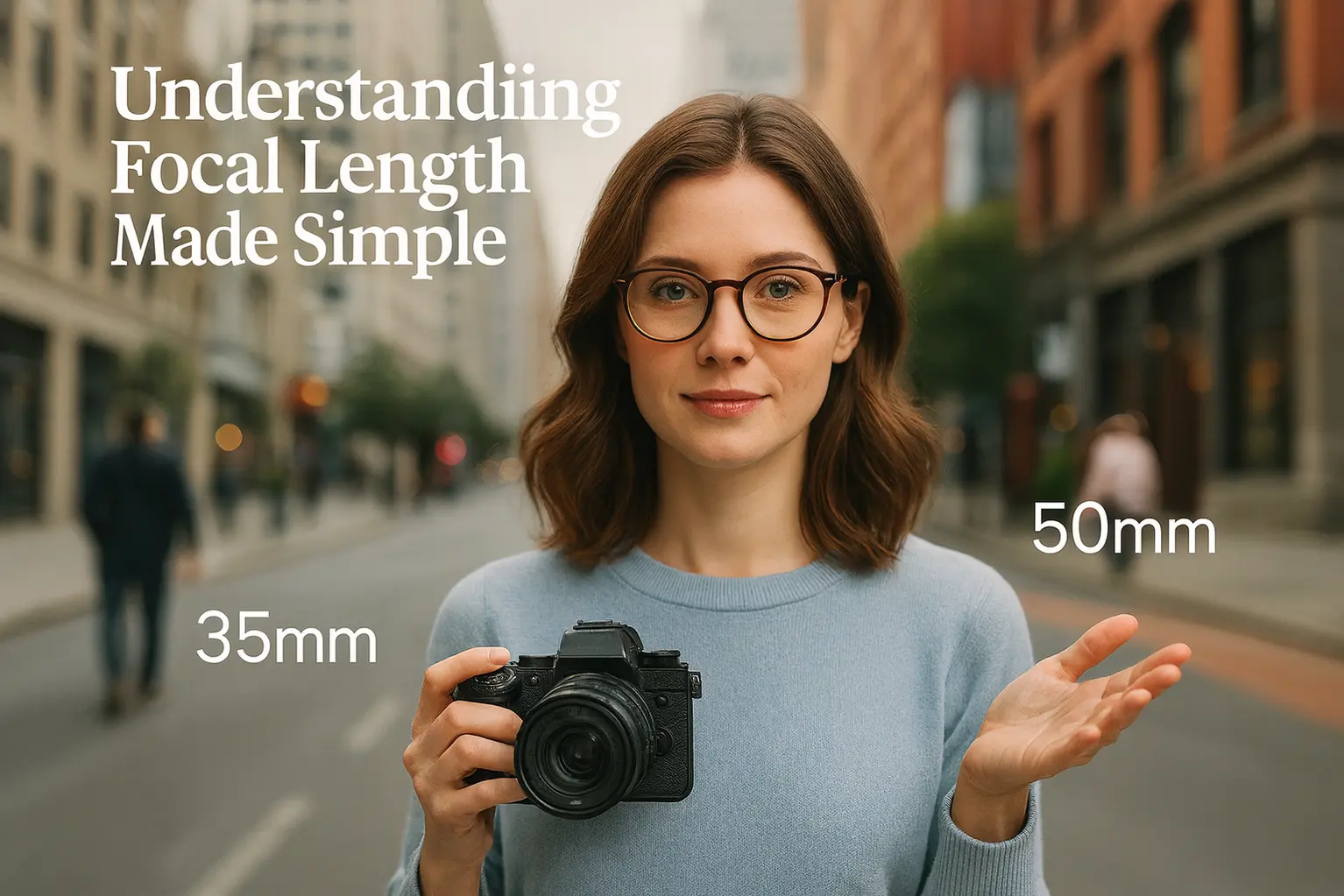
If you’ve ever wondered why a 35mm photo feels immersive and alive, while a 50mm shot feels calmer and more focused, you’re already sensing what focal length really does. It’s not just about how wide or tight a lens is. It’s about how close you feel to the scene, how much context you include, and how your viewer emotionally connects with the image.
Beginners often get stuck asking the wrong question: “Which focal length is better?”
In reality, the more helpful question is: “What changes when I choose one focal length over another?”
In this Daisy Teaches guide, we’re going to slow things down and strip away the technical noise. No brand talk. No buying pressure. Just a clear, visual explanation of what focal length means — and what actually changes when you shoot with 35mm versus 50mm.
What Is Focal Length (In Plain English)
At its core, focal length describes how a lens sees the world — not how “zoomed in” it is, but how much of a scene it includes and how subjects relate to their surroundings.
Measured in millimeters, focal length affects three key things at the same time: field of view, perspective, and your physical distance from the subject. This is why changing focal length doesn’t just change your framing — it changes how you experience the scene while shooting.
Why Focal Length Changes How a Photo Feels
When you use a wider focal length like 35mm, you naturally step closer to your subject. This creates a feeling of presence, as if the viewer is standing inside the scene with you. The environment becomes part of the story, not just the backdrop.
A longer focal length like 50mm encourages a bit more distance. That small step back may seem insignificant, but visually it creates a calmer, more observational feel. Subjects feel slightly separated from their surroundings, which is why 50mm is often described as “natural” or “balanced.”
Focal Length vs Zoom (A Common Beginner Confusion)
One of the most common misunderstandings is mixing up zoom with focal length. Zoom simply means a lens can cover multiple focal lengths. Focal length itself is about perspective and framing, whether the lens zooms or not.
This is why many photographers learn faster with a single focal length. When the focal length stays fixed, your eye — not the zoom ring — does the work. Over time, you begin to predict framing, anticipate scenes, and compose more intentionally.
Understanding focal length isn’t about memorizing numbers. It’s about recognizing how each lens quietly guides the way you see the world through your camera.
35mm vs 50mm: What Actually Changes in Your Photos
When photographers compare 35mm vs 50mm, the conversation often sounds technical. But the real differences have less to do with numbers — and much more to do with how your photos feel.
Changing focal length doesn’t just alter framing. It changes how much of the world you include, how close you stand, and how your subject relates to their environment. Once you see this clearly, choosing between 35mm and 50mm stops feeling confusing.
Field of View: How Much of the Scene You Capture
The most immediate difference between a 35mm lens and a 50mm lens is field of view. A 35mm lens captures a wider slice of the scene, pulling in more background, more surroundings, and more visual context.
This wider view is why 35mm is so closely associated with environmental storytelling. The subject doesn’t exist in isolation. Streets, buildings, light, and background elements all contribute to the story the photo tells.
With 50mm, the frame becomes tighter and more selective. You see less of the environment, which naturally reduces distractions. This can make images feel cleaner and more focused — but it also means less visual information about where the moment is happening.
With 50mm, the subject takes the lead.
Perspective & Subject Distance
The biggest conceptual shift between 35mm vs 50mm comes from something many beginners overlook: you don’t stand in the same place.
When shooting with a 35mm lens, you usually need to move closer to your subject to fill the frame. That physical closeness changes perspective. Foreground elements feel stronger, backgrounds feel deeper, and the viewer senses a direct connection to the scene.
This is why 35mm images often feel immersive and energetic. The relationship between people and space becomes part of the visual language.
With a 50mm lens, you naturally step back. That extra distance compresses perspective slightly and creates a calmer, more observational look. Subjects feel more separated from their surroundings, which is why 50mm is often described as “natural” or “balanced.”
Once you understand how focal length affects perspective and distance, the 35mm vs 50mm decision becomes less about gear — and more about the kind of visual relationship you want to create.
How 35mm Feels in Real-World Photography
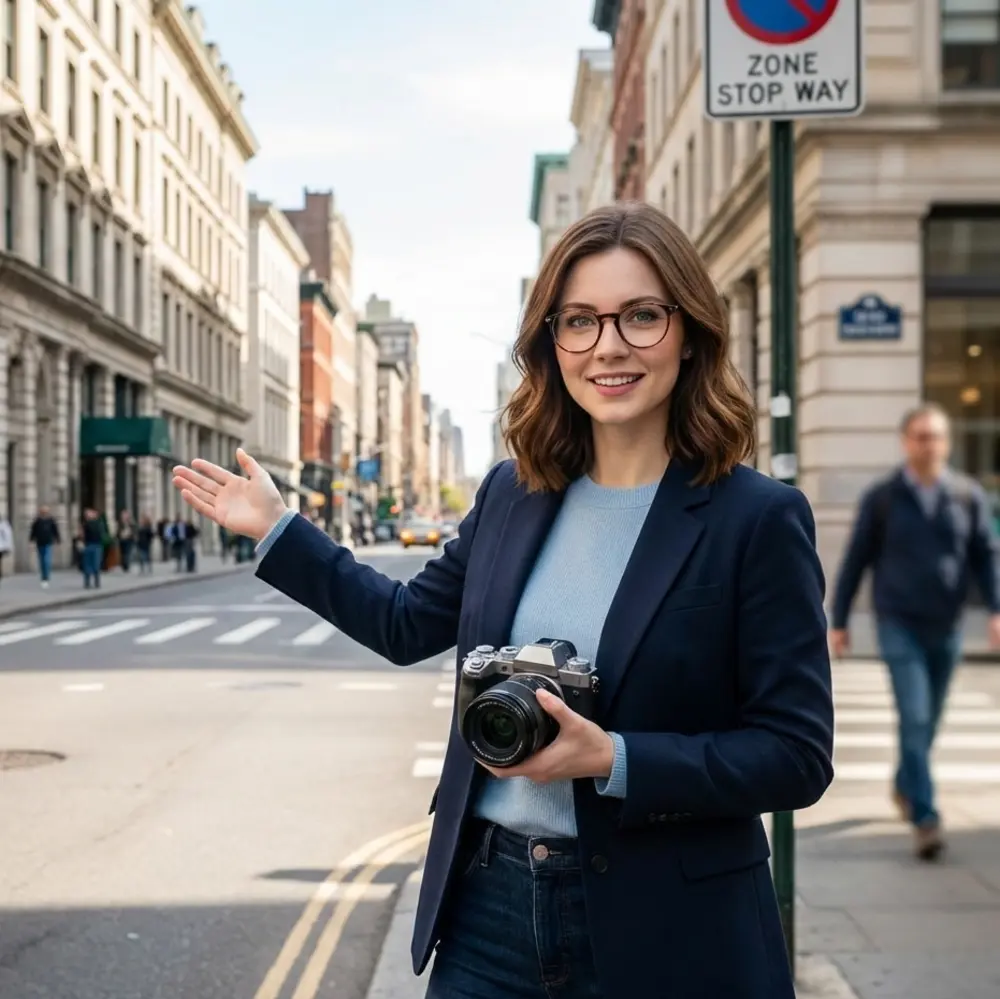
The 35mm lens is often described as the most natural focal length for street and travel photography — not because it’s neutral, but because it places the viewer inside the scene rather than across the street from it.
Environmental Storytelling
In street photography and travel photography, 35mm shines when the story is not just about the subject, but about the world around them. This focal length captures people in context — storefronts, signage, light, architecture, and movement all coexist in the frame.
Instead of isolating a single moment, 35mm images often feel like a slice of life. The viewer can read the environment, understand the location, and sense the atmosphere. That’s why many photographers reach for 35mm when they want their photos to feel immersive, honest, and documentary-driven.
If your goal is to build visual narratives on the street, 35mm pairs perfectly with a lightweight setup and fast reactions — especially when combined with practical advice from guides like this street photography gear guide.
When 35mm Can Feel “Too Wide”
Despite its versatility, 35mm isn’t always forgiving. When you’re not intentional with composition, the wider field of view can introduce distracting backgrounds, cluttered edges, and unnecessary visual noise.
Street scenes are already chaotic. At 35mm, elements near the edges of the frame can stretch or distort slightly, pulling attention away from your main subject. This is especially noticeable when shooting close or when strong vertical lines appear near the borders.
That’s why 35mm demands strong framing discipline. You need to watch your edges, simplify your background, and sometimes physically reposition yourself to clean up the scene. When done right, the result feels dynamic and alive — but when rushed, the image can quickly feel messy.
For photographers who prefer cleaner separation or travel shooters working in visually dense locations, this is often the moment where comparing focal lengths — or even camera choices — becomes essential, as discussed in best cameras for travel photography.
How 50mm Changes the Way You See
The 50mm lens doesn’t just change what you include in the frame — it changes how you observe. Compared to 35mm, 50mm encourages a more deliberate, selective way of seeing, where attention shifts from the environment to the subject itself.
Natural Perspective & Subject Isolation
Often described as having a “eye-level” perspective, 50mm closely matches how we perceive depth and scale in everyday life. Faces don’t stretch, proportions feel familiar, and the scene appears calm and balanced — especially when photographing people.
This is where 50mm starts to feel portrait-like, even in street photography. The slightly narrower field of view makes it easier to isolate your subject from the background, allowing expressions, gestures, and subtle moments to stand out without visual competition.
With wider apertures, 50mm naturally creates separation through depth of field, producing images that feel more intimate and focused. That’s why many street photographers who enjoy blending candid moments with portrait aesthetics gravitate toward this focal length — a concept explored deeper in
portrait photography essentials.
When 50mm Feels Too Tight
The same qualities that make 50mm powerful can also become limitations. In narrow streets, crowded spaces, or small interiors, the field of view can feel restrictive — sometimes uncomfortably so.
To fit the scene, you’re often forced to step back. On the street, that’s not always possible. Walls, traffic, or other people may physically block you, making it harder to compose quickly or react to spontaneous moments.
This “backing up” requirement can also break the flow of candid shooting. Instead of moving with the scene, you may find yourself negotiating space, which can cost you timing. In fast-paced environments, this is where 50mm can feel less flexible than wider focal lengths.
35mm or 50mm: Which One Should You Choose?
Choosing between 35mm vs 50mm is not about being a beginner or an advanced photographer. It’s about how you naturally see the world, how close you like to be to your subjects, and how you react inside real-life scenes.
Based on Shooting Style, Not Skill Level
One of the biggest myths in photography is that 35mm is for beginners and 50mm is for professionals. In reality, both focal lengths are used by some of the most respected street photographers in the world — often interchangeably.
What truly matters is habit. If you instinctively move closer, include context, and react fast, 35mm will feel intuitive. If you naturally pause, observe, and wait for moments to align, 50mm tends to match your rhythm better.
Neither lens will make your photos “more professional.” The wrong focal length, however, can constantly fight your instincts — making photography feel harder than it needs to be.
Street, Portrait, Everyday Use Comparison
When it comes to street photography, portrait-style shots, and everyday carry lenses, the difference becomes very practical.
- 35mm excels at street storytelling, travel photography, and daily documentation. It’s forgiving, flexible, and thrives in tight spaces.
- 50mm shines when subject isolation matters more than environment. It feels calmer, more controlled, and leans naturally toward portrait aesthetics.
If you want a fast decision rule: ask yourself whether you prefer reacting inside the scene or observing it from just outside the frame.
Daisy’s Advice: Stop Overthinking Focal Length
If there’s one thing Daisy wants you to understand, it’s this: focal length is not a technical problem to solve. It’s a creative decision that shapes how you see, move, and react inside a scene.
Why One Lens Is Enough to Learn Photography
Using a single focal length — whether it’s 35mm or 50mm — builds visual discipline. You stop thinking about zooming or switching lenses and start thinking about position, timing, and intent.
This limitation is powerful. It forces conscious movement: you step closer, step back, wait longer, or change your angle instead of blaming the lens. Over time, your eye adapts — and composition becomes instinctive.
Many photographers don’t improve because they lack gear. They stall because they never give their eyes enough time to truly understand one perspective.
Final Thoughts: Focal Length Is a Storytelling Choice
The real difference between 35mm vs 50mm isn’t sharpness, distortion, or even field of view. It’s how the lens positions you within the story.
35mm invites you into the moment. It embraces context, energy, and proximity. 50mm asks you to slow down, simplify, and let subjects breathe within the frame.
Neither is better. Neither is more “professional.” The right focal length is the one that supports the story you want to tell — and encourages you to keep shooting instead of second-guessing.
Choose one. Stick with it. Let your vision grow around it.
That’s how photographers are made — not by rules, but by repetition and intention.