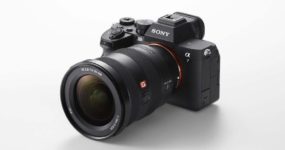
The Sony A7 V vs Nikon Z6 III comparison brings together two of the most talked-about full-frame mirrorless hybrid cameras on the market. Both models are designed for photographers and video creators who demand strong autofocus, reliable video performance, and long-term system flexibility — yet they approach the hybrid shooting philosophy in noticeably different ways.
Sony positions the A7 V as a refined evolution of its popular A7 series, focusing on improved autofocus intelligence, stabilized video performance, and deep integration with the Sony E-mount ecosystem. Nikon, on the other hand, pushes the Z6 III forward as a major generational leap, emphasizing video capability, faster readout behavior, and a more confident hybrid experience than previous Z6 models.
This is not a simple winner-takes-all comparison. In real-world use, the decision between Sony A7 V vs Nikon Z6 III often comes down to how you shoot. Video-first creators, hybrid professionals, and advanced enthusiasts may find strengths in different areas — from subject tracking and thermal reliability to lens ecosystem maturity and overall handling.
In this detailed Sony A7 V vs Nikon Z6 III comparison, we break down price, value, autofocus performance, video capabilities, image quality, battery life, and long-term system investment. The goal is simple: help you decide which camera makes more sense for your shooting style, creative priorities, and budget in 2026.
Sony A7 V vs Nikon Z6 III: Decision Comparison Table
The table below highlights how the Sony A7 V and Nikon Z6 III compare in real-world shooting scenarios. Instead of focusing purely on specifications, this use-case-based comparison reflects how each camera performs for hybrid photography, video creation, low-light work, and long-term system investment — helping you quickly identify which model aligns better with your priorities.
| Use Case | Sony A7 V | Nikon Z6 III |
|---|---|---|
| Autofocus Performance | ★★★★★ Highly reliable subject tracking, strong for wildlife & action |
★★★★☆ Fast and confident, slightly less mature tracking logic |
| Hybrid Photo & Video Use | ★★★★★ Balanced performance for mixed shooting workflows |
★★★★☆ Leans more toward video-centric creators |
| Low Light Photography | ★★★★☆ Clean high ISO, reliable dynamic range |
★★★★★ Excellent low-light behavior and shadow recovery |
| Video Reliability | ★★★★☆ Stable performance with good heat management |
★★★★★ Strong codecs and dependable long-form recording |
| Lens Ecosystem & System Depth | ★★★★★ Mature E-mount system with extensive native and third-party lenses |
★★★★☆ High-quality Z lenses, smaller overall selection |
| Long-Term Investment | ✅ Recommended Proven platform with strong third-party support |
⚠️ Depends Excellent camera, ecosystem still expanding |
| Best For | Hybrid shooters, action photographers, long-term system builders Check current Sony A7 V prices |
Video-first creators, low-light shooters, hybrid filmmakers Check current Nikon Z6 III prices |
Top Improvements Over Previous Generations
Both the Sony A7 V and Nikon Z6 III represent meaningful upgrades over their predecessors. While neither model is a radical redesign, each brand has focused on addressing key limitations of the previous generation — especially in autofocus reliability, video performance, and overall shooting confidence.
Sony A7 V: Key Upgrades Over Sony A7 IV
- More advanced autofocus intelligence: Improved subject recognition and tracking accuracy, especially for people, animals, and fast-moving subjects.
- Refined video performance: Better thermal behavior and more consistent recording stability compared to the A7 IV.
- Improved image processing: Cleaner high-ISO performance and more consistent color rendering in mixed lighting.
- Enhanced overall responsiveness: Faster menu navigation, improved buffer behavior, and a more polished shooting experience.
- Deeper E-mount ecosystem advantage: Continued expansion of native and third-party lenses strengthens long-term system value.
For new Sony users or those upgrading from the A7 IV, our Sony A7 V recommended settings guide is a helpful starting point to get the most out of the camera right away.
Nikon Z6 III: Key Upgrades Over Nikon Z6 II
- Major leap in video capabilities: More advanced video codecs, improved rolling shutter behavior, and better support for serious video workflows.
- Faster sensor readout: Noticeably improved performance for both video and continuous shooting compared to the Z6 II.
- Stronger low-light performance: Better shadow recovery and high-ISO behavior for challenging lighting conditions.
- Improved autofocus confidence: More reliable subject tracking and face/eye detection than previous Z6 generations.
- More complete hybrid identity: The Z6 III finally feels balanced for both photography and video use.
Price & Value
When comparing the Sony A7 V vs Nikon Z6 III, pricing is an important part of the decision — but value goes beyond the initial cost. Both cameras sit firmly in the upper mid-range full-frame mirrorless segment, targeting serious enthusiasts and hybrid creators rather than entry-level users.
The Sony A7 V typically positions itself as the more ecosystem-driven option, benefiting from a mature E-mount lineup and broad third-party lens support. The Nikon Z6 III, meanwhile, often commands attention with stronger video-oriented specifications, making it particularly appealing to creators who prioritize filmmaking features.
Buy the Sony A7 V
Check Sony A7 V Deals on Amazon
View Sony A7 V at B&H Photo
View Sony A7 V at Adorama
Tip: A strong choice if you plan to invest long-term in the Sony E-mount system.
Buy the Nikon Z6 III
Check Nikon Z6 III Deals on Amazon
View Nikon Z6 III at B&H Photo
View Nikon Z6 III at Adorama
Tip: Best suited for creators who value advanced video features and low-light performance.
📸 Sensor & Image Quality
Image quality remains a core consideration in the Sony A7 V vs Nikon Z6 III comparison. Both cameras use modern full-frame sensors designed to balance resolution, dynamic range, and high-ISO performance — but they deliver slightly different shooting experiences in real-world conditions.
Sony A7 V: Image Quality Overview
The Sony A7 V delivers clean, consistent image quality across a wide range of lighting conditions. Dynamic range performance is strong, allowing for flexible shadow recovery in post-processing, while color rendering remains neutral and predictable — a key advantage for photographers working in mixed lighting.
High-ISO noise is well controlled, making the A7 V reliable for events, indoor photography, and low-light environments without aggressive noise reduction.
Nikon Z6 III: Image Quality Overview
The Nikon Z6 III places a strong emphasis on low-light performance and tonal depth. Shadow detail and highlight retention are particularly impressive, giving photographers more flexibility when shooting in challenging lighting scenarios.
Nikon’s color science continues to appeal to photographers who prefer richer tones straight out of camera, while improved sensor readout contributes to cleaner results during fast-paced or high-ISO shooting.
Autofocus & Performance
Autofocus performance is one of the most critical factors in the Sony A7 V vs Nikon Z6 III comparison. Both cameras deliver fast, reliable focusing for stills and video, but their strengths become more apparent in different shooting scenarios — particularly when tracking moving subjects or working in unpredictable environments.
Sony A7 V: Autofocus & Shooting Performance
The Sony A7 V benefits from Sony’s long-standing autofocus leadership, offering highly dependable subject detection and tracking. Face, eye, and subject recognition remain locked-on even during fast-paced action, making the camera especially reliable for wildlife, sports, and event photography.
Continuous shooting performance is consistent, with minimal hesitation between frames and responsive buffer behavior. In real-world use, the A7 V feels confident and predictable — an important advantage for photographers who rely on autofocus accuracy rather than burst speed alone.
Nikon Z6 III: Autofocus & Shooting Performance
The Nikon Z6 III represents a clear step forward in autofocus performance compared to previous Z6 models. Subject tracking is faster and more reliable, particularly for human subjects and general action photography.
While not quite as mature as Sony’s AF system in complex tracking scenarios, the Z6 III delivers confident performance for most hybrid shooting needs. Improved processing and faster readout help maintain focus accuracy during continuous shooting and video recording.
Video Capabilities
Video performance is one of the key differentiators in the Sony A7 V vs Nikon Z6 III comparison. Both cameras are clearly designed for hybrid creators, but they prioritize video features in slightly different ways — with Nikon pushing more aggressively toward advanced video workflows, and Sony focusing on stability and reliability.
Sony A7 V: Video Performance Overview
The Sony A7 V delivers dependable, production-ready video performance suited for long-form recording and real-world shooting. Heat management is well controlled, allowing for consistent recording sessions without frequent interruptions — a practical advantage for interviews, events, and documentary-style work.
Video autofocus remains reliable, with smooth subject tracking and minimal focus hunting. Sony’s color science produces neutral, flexible footage that holds up well during post-production grading.
Nikon Z6 III: Video Performance Overview
The Nikon Z6 III marks a significant leap forward in Nikon’s hybrid video capabilities. Improved sensor readout and advanced video processing contribute to reduced rolling shutter and stronger overall motion rendering compared to previous Z6 models.
Support for more advanced video codecs and higher-quality internal recording makes the Z6 III especially appealing to creators who prioritize video quality and post-production flexibility. For video-first shooters, this shift positions the Z6 III as one of Nikon’s most compelling hybrid options to date.
Handling & Usability
Handling and usability play a critical role in long-term satisfaction, especially for photographers and hybrid shooters who spend hours behind the camera. In the Sony A7 V vs Nikon Z6 III comparison, both cameras offer premium build quality, but their design philosophies differ in subtle yet meaningful ways.
Sony A7 V: Ergonomics & Interface
Sony continues to refine its familiar Alpha-series body design with the A7 V. The grip feels secure and comfortable, even with larger lenses, and button placement favors shooters already accustomed to Sony’s ecosystem.
The updated menu system is cleaner and more intuitive than earlier generations, reducing the learning curve for new users. The fully articulating rear LCD is especially useful for vloggers, content creators, and photographers working at challenging angles.
Nikon Z6 III: Ergonomics & Interface
The Nikon Z6 III benefits from Nikon’s strong ergonomics tradition. The deeper grip and well-spaced physical controls provide excellent balance, particularly for photographers using heavier lenses or shooting for extended periods.
Nikon’s menu system remains highly logical and photographer-friendly, making it easy to adjust settings quickly in the field. The electronic viewfinder offers a clear and immersive shooting experience, reinforcing the Z6 III’s appeal for stills-focused users.
Battery Life & Connectivity
Battery performance and connectivity options directly impact how practical a camera is in daily use. In the Sony A7 V vs Nikon Z6 III comparison, both models deliver solid battery endurance for a full-frame mirrorless body, but they differ slightly in efficiency and ecosystem integration.
Sony A7 V: Battery & Connections
The Sony A7 V uses the proven NP-FZ100 battery, which has become a benchmark for mirrorless battery life. In real-world shooting, it comfortably handles long photography sessions and moderate video recording without frequent battery swaps.
USB-C charging and power delivery allow the A7 V to be powered via external battery packs, making it especially attractive for vloggers and creators who shoot extended video sessions or work on the move.
Nikon Z6 III: Battery & Connections
The Nikon Z6 III relies on Nikon’s EN-EL15 series battery, offering reliable endurance for photography and hybrid use. While battery life is competitive, heavy video shooters may want to carry a spare battery for longer sessions.
Like the Sony, the Z6 III supports USB-C charging and power delivery, enabling flexible power options during travel, studio work, or time-lapse shooting.
Image Stabilization & Low-Light Performance
Image stabilization and low-light performance are critical factors for hybrid shooters, travel photographers, and video creators. In the Sony A7 V vs Nikon Z6 III comparison, both cameras feature advanced in-body image stabilization systems, but they differ in tuning, real-world behavior, and overall confidence in challenging lighting conditions.
Sony A7 V: Stabilization & Low-Light
The Sony A7 V is equipped with a 5-axis in-body image stabilization (IBIS) system rated up to approximately 8 stops of compensation when paired with compatible lenses. In real-world use, this translates into sharp handheld shots at slower shutter speeds and smoother handheld video footage.
Sony’s stabilization works particularly well for static scenes, environmental portraits, and handheld night photography. Combined with Sony’s strong high-ISO performance and refined noise reduction, the A7 V delivers clean and usable images in low-light situations without aggressive detail loss.
Nikon Z6 III: Stabilization & Low-Light
The Nikon Z6 III also features 5-axis in-body image stabilization, rated up to 8 stops depending on the lens. Nikon’s IBIS is known for its natural rendering and excellent cooperation with Z-mount lenses, especially in handheld photography.
In low-light environments, the Z6 III benefits from Nikon’s strong color science and pleasing noise structure at higher ISOs. While handheld video stabilization is solid, it feels slightly more photography-oriented compared to Sony’s video-friendly tuning.
Lens Ecosystem & System Investment
In the Sony A7 V vs Nikon Z6 III comparison, lens ecosystem depth is one of the most important long-term considerations. Beyond camera specs, the strength of each mount determines system cost, flexibility, and how future-proof your investment really is.
Sony E-mount System Advantages
Sony’s E-mount ecosystem is widely regarded as the most mature mirrorless lens system available today. Alongside Sony’s own extensive lineup, third-party manufacturers such as Sigma, Tamron, Samyang, and Viltrox offer native autofocus lenses across nearly every focal length and budget.
This gives Sony A7 V users unmatched flexibility — whether you are building a lightweight travel kit, a video-focused setup, or a professional hybrid system over time.
→ Sony E-mount System Guide (2026)
→ Best Lenses for Sony A7 V
Nikon Z-mount Lens Ecosystem
Nikon’s Z-mount ecosystem takes a different approach, prioritizing optical performance and consistency. Nikon’s S-Line lenses are known for excellent sharpness, contrast, and controlled aberrations, making them especially appealing for photographers and filmmakers who value image quality above all.
While third-party Z-mount options are expanding more slowly, Nikon continues to strengthen its native lineup, offering a clean and premium system with fewer compromises.
→ Nikon Z System Guide
→ Best Lenses for Nikon Z6 III
Price & Value: Which One Makes More Sense in 2026?
Pricing plays a major role in the Sony A7 V vs Nikon Z6 III comparison. While both sit in the same hybrid full-frame segment, real-world value depends on system cost, available deals, and future expandability.
Buy the Sony A7 V
Check Sony A7 V Deals on Amazon
Tip: Better long-term value if you plan to build a diverse lens kit or rely on third-party options.
Buy the Nikon Z6 III
Check Nikon Z6 III Deals on Amazon
Tip: Ideal if you value native lens quality and plan to stay within Nikon’s Z-mount ecosystem.
Who Should Buy Sony A7 V?
- Hybrid shooters balancing photography and video
- YouTubers and content creators needing reliable long-form recording
- Users who want broad lens choices and strong third-party support
- Photographers upgrading from Sony A7 III or A7 IV
Who Should Buy Nikon Z6 III?
- Hybrid photographers leaning more toward cinematic video
- Users who prefer Nikon color science and ergonomics
- Creators focused on short-form, high-quality video projects
- Nikon Z-mount users upgrading from Z6 or Z6 II
Bottom Line: Sony A7 V vs Nikon Z6 III — Final Verdict
The Sony A7 V vs Nikon Z6 III comparison ultimately comes down to how you shoot — not just what the spec sheet says. Both are highly capable full-frame mirrorless cameras, but they serve slightly different creative priorities in 2026.
If you are a hybrid shooter who values reliable autofocus, long recording stability, and access to the largest full-frame lens ecosystem, the Sony A7 V feels like the more balanced and future-proof choice. It excels as an everyday workhorse for content creators, photographers, and video shooters who want consistency across photo and video without friction.
The Nikon Z6 III, on the other hand, stands out as a more cinema-leaning hybrid. Its advanced video pipeline, strong image quality, and Nikon color science make it especially attractive for creators who prioritize filmmaking workflows and controlled shooting environments over speed and ecosystem breadth.
• Choose Sony A7 V if you prioritize autofocus reliability, system flexibility, and long-term system investment.
• Choose Nikon Z6 III if your focus is cinematic video, Nikon’s color rendering, and a more filmmaker-oriented experience.
From a value perspective, the Sony A7 V currently offers a slightly safer investment for most buyers thanks to its mature E-mount ecosystem and creator-focused feature set. However, the Nikon Z6 III remains a compelling alternative for users already invested in Nikon Z lenses or those who prefer its shooting philosophy.
In short, this is a split decision — but a clear one once your priorities are defined. Neither camera is a wrong choice; the better camera is the one that aligns most closely with how you actually shoot.