Wildlife photography demands speed, reach, and reliability — and in 2026, you don’t need to spend flagship-level money to get it. This guide is for photographers looking for the best possible camera for wildlife photography under $2500, whether you’re shooting birds in flight, fast-moving animals, or unpredictable nature scenes.
At this price point, the real differences come down to autofocus performance, sensor reach, burst shooting, buffer depth, and weather sealing. Below, we compare the top wildlife cameras of 2026 that deliver the best balance of performance, reliability, and long-term value — without paying pro flagship prices.
Who This Guide Is For
- Bird photographers who need fast autofocus and long reach
- Wildlife & safari shooters working in unpredictable conditions
- Action-heavy nature photographers shooting fast-moving animals
- Budget-limited enthusiasts & semi-pros who want maximum performance under $2500
Quick Answer: Best Wildlife Camera Under $2500 in 2026
If you want the best overall camera for wildlife photography under $2500 in 2026, the Canon EOS R7 is still the safest and most versatile pick. Thanks to its class-leading autofocus with animal and bird tracking, 1.6× APS-C crop for extra reach, deep burst buffer, and robust weather sealing, it delivers the most consistent results for birds in flight and fast-moving wildlife without paying flagship prices.
Looking for last year’s recommendations?
You can still review our Best Wildlife Cameras of 2025 to see how our picks have evolved.
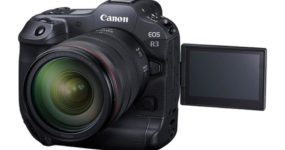
Canon EOS R7
The Canon EOS R7 stands out as the most well-rounded wildlife camera under $2500 in 2026. With its high-resolution APS-C sensor, class-leading autofocus system, and excellent burst performance, it delivers the speed, reach, and reliability that wildlife and bird photographers need in real-world shooting conditions.
Tip: The EOS R7 is the safest choice if you shoot birds in flight and need fast subject tracking with extra reach from an APS-C sensor.
Sony a6700
The Sony a6700 is one of the most advanced APS-C cameras you can buy for wildlife photography under $2500 in 2026. Powered by Sony’s latest AI-driven autofocus system, it excels at subject recognition and tracking, making it a strong choice for photographers who shoot birds, wildlife, and fast-moving animals in dynamic environments.
Tip: The Sony a6700 is an excellent pick if you want industry-leading AI subject detection in a smaller, lighter body that’s easy to carry for travel and long wildlife hikes.
Nikon Z6 II
The Nikon Z6 II is the best full-frame option for wildlife photography under $2500 in 2026, especially for photographers who shoot in challenging light conditions. Its full-frame sensor delivers excellent dynamic range and low-light performance, making it a strong choice for dawn, dusk, and forest wildlife photography where image quality matters most.
Tip: Choose the Nikon Z6 II if you often shoot wildlife in low light and want the cleaner files and dynamic range advantages of a full-frame sensor.
Fujifilm X-H2
The Fujifilm X-H2 is the best high-resolution APS-C option for wildlife photography under $2500 in 2026. Its 40MP sensor offers significant cropping flexibility, making it ideal for photographers who can’t always get close to their subjects. Combined with fast subject detection and a robust, weather-sealed body, it’s a powerful hybrid camera for both wildlife stills and video.
Tip: The X-H2 is a smart pick if you rely heavily on cropping for distant wildlife and want a high-resolution APS-C camera without moving to full-frame.
Comparison Table: Best Wildlife Cameras Under $2500 (2026)
| Use Case | Canon EOS R7 | Sony a6700 | Nikon Z6 II | Fujifilm X-H2 |
|---|---|---|---|---|
| Autofocus for Wildlife | ★★★★★ Excellent bird & animal eye AF |
★★★★★ AI subject recognition king |
★★★★☆ Reliable, improved via firmware |
★★★★☆ Fast subject detect |
| Reach & Cropping Power | ★★★★★ 32.5MP APS-C = extra reach |
★★★★☆ 26MP APS-C |
★★★☆☆ Full-frame limits reach |
★★★★★ 40MP cropping advantage |
| Burst & Buffer | ★★★★★ 30 fps electronic, deep buffer |
★★★★☆ Fast, buffer fills sooner |
★★★★☆ Solid for action |
★★★★☆ Good for high-res bursts |
| Low-Light Wildlife | ★★★★☆ Good for APS-C |
★★★★☆ Clean files, compact body |
★★★★★ Best low-light performance |
★★★★☆ Strong but high MP noise tradeoff |
| Long-Term System Investment | ✅ Recommended Strong RF wildlife lens lineup |
✅ Recommended Mature Sony E ecosystem |
✅ Recommended Z wildlife lenses growing |
⚠️ Depends Great bodies, niche lenses |
| Best For | All-round wildlife shooters Check price |
Wildlife + travel combo Check price |
Low-light & image quality Check price |
Heavy cropping wildlife shooters Check price |
You can also browse our latest articles by camera system, including Canon EOS R7, Sony a6700, Nikon Z6 II and Fujifilm X-H2 .
Best Camera for Wildlife Photography (Overall)
If you want the best all-around wildlife camera under $2500 in 2026, the Canon EOS R7 remains the safest and most reliable choice. It combines fast burst shooting, excellent animal eye autofocus, and extra APS-C reach — exactly what wildlife photography demands.
Buy the Canon EOS R7 (Body Only)
Tip: Ideal if you want maximum reach without paying flagship prices.
Best Camera for Bird Photography
Bird photography is all about reach, autofocus precision, and burst speed. APS-C cameras still dominate this category, and the Canon EOS R7 leads thanks to its 32.5MP sensor and reliable bird eye AF.
Check Canon EOS R7 Prices
Tip: Pair with RF 100–400mm or RF 200–800mm for outstanding bird reach.
Best Camera for Wildlife + Travel
If you need a wildlife-capable camera that also works for travel, the Sony a6700 offers the best balance of AI autofocus, compact size, and system flexibility. It’s easier to carry than most wildlife-focused bodies without sacrificing performance.
Check Sony a6700 Prices
Tip: Excellent choice if you want one camera for wildlife, travel, and video.
Best Full-Frame Camera for Wildlife
For photographers who prioritize low-light performance and dynamic range, the Nikon Z6 II remains the best full-frame wildlife camera under $2500. While it lacks APS-C reach, it delivers cleaner files in challenging light.
Check Nikon Z6 II Prices
Tip: Best paired with fast Z-mount telephoto lenses for low-light wildlife.
Best High-Resolution APS-C Camera for Wildlife
If heavy cropping is part of your wildlife workflow, the Fujifilm X-H2 stands out with its strong>40MP APS-C sensor. It’s ideal for distant subjects where extra resolution matters more than burst depth.
Check Fujifilm X-H2 Prices
Tip: Best choice if you regularly crop aggressively in post-processing.
Best Lenses for Wildlife Photography (APS-C vs Full-Frame)
The camera matters, but for wildlife photography, the lens often matters more. Reach, autofocus speed, and optical quality directly affect your keeper rate. Below are the best wildlife lenses to pair with APS-C and full-frame cameras in 2026.
Best Wildlife Lenses for APS-C Cameras
Canon RF-S / RF (APS-C)
Canon RF 100–400mm f/5.6–8 IS USM is the most popular wildlife lens for Canon APS-C shooters, offering excellent reach, fast AF, and strong image stabilization at a reasonable price.
Check Current Prices
Tip: Best value wildlife lens for Canon EOS R7 users.
Canon RF 200–800mm f/6.3–9 IS USM is ideal for bird photographers who need extreme reach without stepping into professional super-telephoto pricing.
Check Current Prices
Tip: Perfect for distant birds and wildlife reserves.
Sony E (APS-C)
Sony E 200–600mm f/5.6–6.3 G OSS remains the gold standard for Sony wildlife shooters, delivering excellent sharpness, fast tracking AF, and long reach.
Check Current Prices
Tip: Top wildlife lens for Sony a6700 users.
Fujifilm X
Fujifilm XF 100–400mm f/4.5–5.6 R LM OIS WR is the most balanced wildlife zoom for the X system, offering fast autofocus and weather sealing.
Check Current Prices
Tip: Best all-around wildlife lens for Fujifilm X-H2.
Best Wildlife Lenses for Full-Frame Cameras
Nikon Z
Nikon Z 180–600mm f/5.6–6.3 VR is one of the strongest wildlife lenses in the Z system, combining long reach, excellent stabilization, and modern AF performance.
Check Current Prices
Tip: Best wildlife pairing for the Nikon Z6 II.
Canon RF (Full-Frame)
Canon RF 100–500mm f/4.5–7.1L IS USM delivers flagship-level sharpness and autofocus, making it the premium wildlife choice for Canon RF shooters.
Check Current Prices
Tip: Ideal for photographers upgrading from APS-C to full-frame.
Sony FE
Sony FE 200–600mm f/5.6–6.3 G OSS continues to be a favorite among wildlife professionals, thanks to its reliability and excellent autofocus tracking.
Check Current Prices
Tip: Proven wildlife lens for Sony full-frame systems.
Final Recommendation
If you’re looking for the best camera for wildlife photography under $2500 in 2026, the Canon EOS R7 is the clear overall winner thanks to its fast autofocus, APS-C reach, and reliability for birds and wildlife action.
If you want a more compact setup with industry-leading AI subject detection, the Sony a6700 is the strongest alternative — especially for photographers who combine wildlife and travel shooting.
However, if you frequently shoot in very low light, prioritize maximum dynamic range, or prefer full-frame image quality over reach, you may want to skip APS-C entirely and consider a full-frame option like the Nikon Z6 II instead.
Frequently Asked Questions
What is the best camera for wildlife photography under $2500 in 2026?
The Canon EOS R7 is the best camera for wildlife photography under $2500 in 2026, thanks to its fast animal eye autofocus, APS-C reach, and strong burst performance for birds and fast-moving wildlife.
Is APS-C or full-frame better for wildlife photography?
APS-C cameras are often better for wildlife photography because they offer extra reach with telephoto lenses, making it easier to photograph distant animals. Full-frame cameras perform better in low light but usually require longer, more expensive lenses to match the same reach.
Is full-frame worth it for wildlife photography?
Full-frame cameras are worth it if you frequently shoot in low light, prioritize dynamic range, or prefer cleaner high-ISO files. For most bird and wildlife photographers, APS-C remains the more practical
and cost-effective choice under $2500.
What camera features matter most for wildlife photography?
Autofocus tracking, burst shooting speed, buffer depth, lens reach, and weather sealing are the most important features for wildlife photography. Sensor resolution and video specs matter less than reliable autofocus performance.
Do lenses matter more than the camera for wildlife photography?
Yes. For wildlife photography, the lens often matters more than the camera. A fast, sharp telephoto lens with good reach will improve your results far more than upgrading to a higher-end camera body.