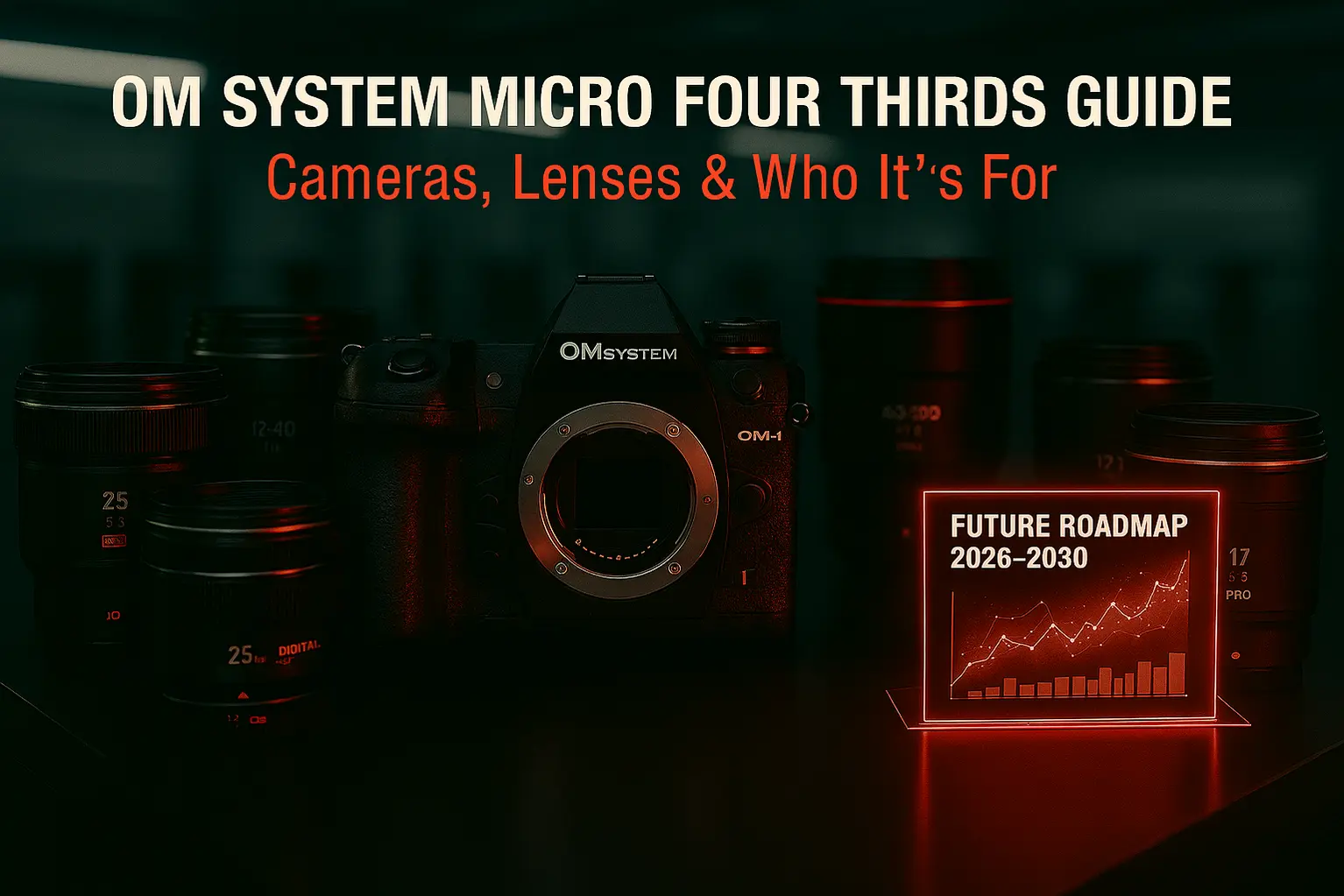
OM System & the Micro Four Thirds System Explained
The OM System represents one of the most unique and purpose-driven ecosystems in the modern mirrorless camera world. Built on the long-standing Micro Four Thirds system, OM System focuses on compact design, extreme durability, and advanced computational photography features—making it a compelling alternative to larger APS-C and full-frame systems in 2026.
Originally developed by Olympus and later continued under the OM System brand, Micro Four Thirds cameras have carved out a distinct identity. Rather than chasing sensor size, the system prioritizes mobility, weather sealing, and real-world usability. For photographers who value lightweight gear without sacrificing performance, the Micro Four Thirds system remains highly relevant.
In the broader context of the mirrorless market, OM System stands apart. While full-frame systems dominate studio and low-light workflows, Micro Four Thirds excels in travel, wildlife, outdoor adventure, and documentary photography—areas where size, reach, and reliability matter more than absolute sensor dimensions.
For a broader comparison, our ultimate mirrorless camera guide explores how Micro Four Thirds compares to full-frame and APS-C systems.
OM System Cameras
The Micro Four Thirds System continues to evolve in 2025–2026, with OM System introducing refined models that expand the platform’s capabilities. OM System cameras emphasize weather sealing, class-leading image stabilization (IBIS), and advanced computational photography, making them strong choices for travel, landscape, and hybrid shooters.
OM System OM-3
The OM System OM-3 was announced in early 2025 as a compelling new addition to the lineup, combining 20MP performance with a stacked BSI sensor and an improved autofocus system. Its design leans into both heritage and modern functionality, with a fully articulating rear screen, robust weather sealing, and impressive continuous shooting performance. The OM-3 pushes Micro Four Thirds boundaries by offering high-speed capture and advanced video modes that compete with larger sensor systems. :contentReference[oaicite:0]{index=0}
OM System OM-5 II
The OM System OM-5 II debuted mid-2025 as an updated version of the popular OM-5. While the core 20MP Live MOS sensor remains largely unchanged, the OM-5 II features refinements such as improved ergonomics, modern connectivity, and Sync IS stabilization that can deliver up to 7.5 stops of compensation with compatible lenses. It also retains strong weather sealing and travel-friendly dimensions, making it a versatile choice for landscape, travel, and everyday photography. :contentReference[oaicite:1]{index=1}
OM System OM-1 & OM-1 Mark II
The flagship OM-1 and its successor OM-1 Mark II continue to serve photographers who need top-tier performance. With stacked sensor architectures, powerful subject detection autofocus, and industry-leading stabilization, these models remain excellent options for wildlife, sports, and action photography. Their feature set supports professional workflows while still benefiting from the compact nature of Micro Four Thirds.
OM-D E-M10 Mark IV
The OM-D E-M10 Mark IV continues to serve as a strong entry point to the Micro Four Thirds system. While it doesn’t offer the same level of computational shooting modes or subject tracking as the newer OM System models, its compact form factor, ease of use, and access to the broader Micro Four Thirds lens ecosystem make it a solid choice for beginners and casual shooters.
Micro Four Thirds Lens Ecosystem (OM System + Panasonic)
The strength of the Micro Four Thirds System lies not only in its compact camera bodies, but also in one of the most mature and versatile lens ecosystems in the mirrorless world. With full cross-compatibility between OM System (formerly Olympus) and Panasonic Lumix G lenses, photographers gain access to a wide range of native optics covering everything from ultra-wide landscapes to super-telephoto wildlife shooting.
OM System / Olympus M.Zuiko Lenses
OM System continues to build on the legendary M.Zuiko Digital lens lineup, which is widely regarded for its optical quality, compact design, and weather-sealed construction. The PRO series lenses are particularly popular among professionals who value portability without compromising performance.
- M.Zuiko 12–40mm f/2.8 PRO II – A versatile standard zoom for travel and documentary work
- M.Zuiko 40–150mm f/2.8 PRO – A compact telephoto zoom ideal for sports and wildlife
- M.Zuiko 300mm f/4 IS PRO – A favorite among bird photographers thanks to Sync IS support
- M.Zuiko 8–25mm f/4 PRO – Ultra-wide to wide zoom with excellent edge-to-edge sharpness
Panasonic Lumix G & Leica DG Lenses
Panasonic’s contribution to the Micro Four Thirds System focuses heavily on video performance and hybrid usability. Lumix G lenses are optimized for smooth aperture transitions, minimal focus breathing, and silent autofocus, making them popular among filmmakers.
The premium Leica DG series adds exceptional optical refinement and build quality, appealing to photographers who demand top-tier rendering and contrast.
- Leica DG 10–25mm f/1.7 – One of the brightest zoom lenses in the system
- Leica DG 25mm f/1.4 – A classic fast prime with strong subject separation
- Lumix G X 35–100mm f/2.8 – Compact telephoto zoom with excellent video performance
- Leica DG 50–200mm f/2.8–4 – Flexible telephoto for wildlife and travel
Third-Party Lens Support
The Micro Four Thirds mount also enjoys strong third-party support. Brands like Sigma, Laowa, and TTArtisan offer affordable primes, macro lenses, and creative optics that further expand the system’s flexibility.
Notable examples include Sigma’s f/1.4 prime trio (16mm, 30mm, 56mm), Laowa’s ultra-wide and macro lenses, and manual-focus options for photographers who enjoy a more hands-on shooting experience.
Amazon

System Advantages & Trade-Offs
The Micro Four Thirds System has remained relevant for more than a decade by focusing on efficiency, portability, and intelligent camera technology rather than sensor size alone. While it does come with clear trade-offs compared to full-frame systems, its advantages remain highly compelling for specific types of photographers and filmmakers.
Industry-Leading Image Stabilization (IBIS)
One of the strongest advantages of Micro Four Thirds cameras is their class-leading in-body image stabilization. OM System and Panasonic consistently deliver some of the most effective IBIS implementations in the industry, with up to 7.5–8 stops of stabilization when combined with compatible lenses.
This allows photographers to shoot handheld at extremely slow shutter speeds, making the system especially attractive for travel, landscape, macro, and low-light city photography where tripods are impractical.
Weather Sealing & Outdoor Reliability
OM System has built a reputation around robust weather sealing. Many OM bodies and PRO lenses are rated to withstand rain, dust, freezing temperatures, and challenging outdoor environments. Panasonic’s higher-end Lumix G models also offer solid environmental sealing.
This makes the Micro Four Thirds System particularly appealing to adventure, wildlife, and landscape photographers who prioritize durability over absolute sensor size.
Computational Photography Features
Computational photography is another area where Micro Four Thirds excels. Features such as Live ND, High-Res Shot, Pro Capture, and advanced focus stacking allow photographers to achieve results that would otherwise require accessories or post-processing.
These tools significantly reduce reliance on external filters and complex workflows, making the system efficient and creative in the field.
Low-Light Performance vs Full Frame
The primary trade-off of the Micro Four Thirds System is low-light performance. Compared to full-frame sensors, Micro Four Thirds cameras generally produce more noise at high ISO values and offer less dynamic range in extreme lighting conditions.
However, this limitation is often mitigated by excellent IBIS, fast lenses, and modern noise reduction. In real-world shooting, especially for travel, documentary, and outdoor photography, the difference is far less dramatic than spec sheets suggest.
For photographers who frequently shoot in very low light or demand maximum background separation, full-frame systems still hold an advantage. For those who value mobility, reliability, and smart features, Micro Four Thirds remains a highly practical choice.
Accessories, Video Rigs & Travel Advantages
The Micro Four Thirds System stands out not only because of its cameras and lenses, but also due to how well it integrates into lightweight travel kits and compact video rigs. For photographers and filmmakers who value mobility, fast setup, and efficient workflows, the system offers unique advantages.
Compact Accessories & Lightweight Rigs
Because Micro Four Thirds bodies and lenses are smaller and lighter than their APS-C and full-frame counterparts, accessories such as gimbals, cages, tripods, and sliders can also be smaller and more affordable. Many popular handheld gimbals easily support full MFT video setups without pushing weight limits.
This allows creators to build complete video rigs with external microphones, monitors, and battery solutions while still keeping the overall setup portable and balanced.
Video-Centric Tools & Monitoring
Panasonic Lumix G cameras, in particular, integrate seamlessly with professional video accessories. Features like unlimited recording, waveform monitoring, vector scopes, and reliable continuous autofocus make Micro Four Thirds a strong choice for documentary, interview, and run-and-gun filming.
Combined with lightweight lenses and compact cages, creators can quickly transition between handheld, tripod, and gimbal shooting without rebalancing large rigs.
Travel & Field Photography Advantages
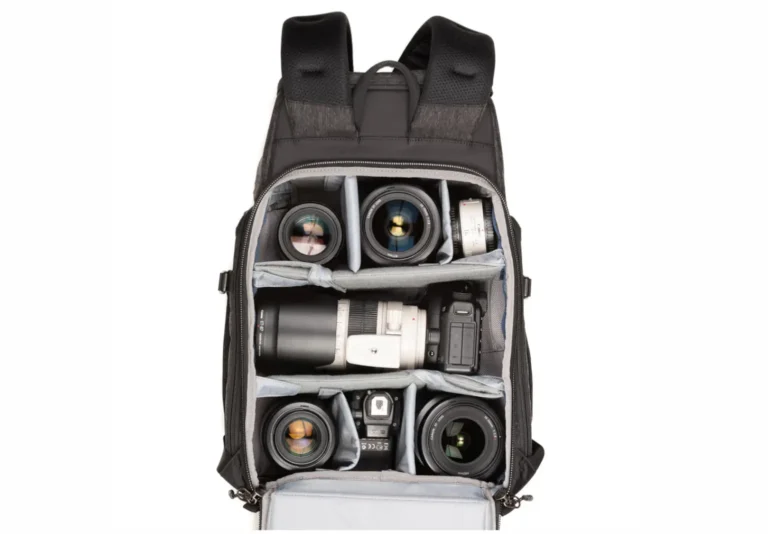
For travel photographers, the Micro Four Thirds System offers a practical balance between image quality and portability. A complete kit covering ultra-wide to super-telephoto focal lengths can fit into a small shoulder bag or carry-on backpack, making it ideal for flights, hiking, and long shooting days.
Weather-sealed bodies and lenses further enhance reliability in unpredictable conditions, reducing the need for protective covers or backup gear.
Future Outlook: OM System & Micro Four Thirds (2026–2028)
As the mirrorless market continues to evolve, the Micro Four Thirds System occupies a unique position heading into 2026–2028. While full-frame systems dominate headline announcements, Micro Four Thirds is increasingly defined by refinement, specialization, and intelligent technology rather than raw sensor size.
OM System’s Direction
OM System has made it clear that its future strategy focuses on outdoor reliability, computational photography, and speed. Recent releases like the OM-1 Mark II, OM-3, and OM-5 II suggest continued investment in stacked sensors, AI-based autofocus, and in-camera creative tools.
Rather than chasing full-frame equivalence, OM System appears committed to pushing Micro Four Thirds strengths further — faster capture, better stabilization, and smarter automation.
Panasonic’s Hybrid & Video Focus
Panasonic’s role in the Micro Four Thirds ecosystem is likely to remain video-centric. Lumix G cameras continue to offer professional video tools in compact bodies, and future models are expected to expand internal codecs, autofocus reliability, and thermal performance.
For creators who value lightweight rigs and dependable recording over maximum sensor size, Micro Four Thirds will remain an attractive platform.
Market Reality & Long-Term Viability
Micro Four Thirds is unlikely to regain mainstream dominance, but it doesn’t need to. Its long-term strength lies in serving photographers and filmmakers who prioritize mobility, durability, and efficiency.
As discussed in our Mirrorless Systems Future Outlook (2026–2028), niche systems with clear identities are often more resilient than general-purpose platforms.
Looking ahead, the Micro Four Thirds System is positioned not as a compromise, but as a deliberate choice — one that values practicality, speed, and creative flexibility over sheer sensor size.
Explore Other Mirrorless Systems
If you’re comparing different platforms before committing to a system, these in-depth guides will help you understand how each mirrorless ecosystem is positioned in 2026 and beyond:
- Ultimate Mirrorless Camera Guide (Hub)
- Canon EOS R System Guide
- Nikon Z System Guide
- Sony E-Mount System Guide
- Fujifilm X System Guide
- Panasonic L-Mount System Guide
Conclusion: Is the Micro Four Thirds System Still Worth It?
The Micro Four Thirds System remains one of the most misunderstood platforms in modern photography. While it no longer competes for attention through sensor size or headline-grabbing specifications, it continues to deliver where it matters most: real-world usability.
With industry-leading image stabilization, robust weather sealing, advanced computational features, and one of the most complete lens ecosystems available, Micro Four Thirds offers a refined and efficient shooting experience. For travel photographers, wildlife shooters, and hybrid creators, the benefits of portability and reliability often outweigh the limitations.
That said, this system is not for everyone. Photographers who prioritize extreme low-light performance or maximum background separation may find full-frame systems more suitable. But for those who value mobility, speed, and intelligent camera tools, Micro Four Thirds remains a deliberate and confident choice.
As mirrorless technology moves forward, systems with a clear identity tend to endure. Micro Four Thirds is no longer about compromise — it is about choosing a system that works with you, not against you.


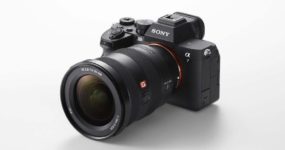


For years I’ve been using the MFT system and Olympus cameras, now OM SYSTEM. Their evolution is more focused on image stabilization than on a sensor with more megapixels. That also gives them the ability to make their cameras and lenses smaller, which full frame can’t do. Due to the continuously improving image stabilization, these systems are getting closer and closer to the quality of full frame. An evolution that is somewhat condescendingly and unjustly viewed by the big brands.
[…] 👉 See also : OM System & Micro Four Thirds Camera Guide (2026 Edition) […]