Photography has evolved rapidly over the past decade, but one thing remains the same: understanding the fundamental terms is the fastest way to improve your images. Whether you’re using a smartphone, mirrorless camera, or DSLR, knowing what shutter speed, aperture, ISO, focal length, and autofocus modes actually mean will instantly boost your creative control.
In this updated 2025 guide, we break down every essential photography term in a simple, beginner-friendly way. You’ll also find modern concepts like AI autofocus, computational photography, and HDR workflows that didn’t exist when many classic guides were written. By the end, you’ll have a complete understanding of the most important terms used in today’s photography world.
This guide is perfect for beginners and returning photographers — and includes internal links to helpful guides such as our Best Cameras for Beginners 2025 and Landscape Photography 101.
Table of Contents
- 1. Exposure Triangle Basics
- 2. Camera Modes Explained
- 3. Focusing Terms
- 4. Lens Terminology
- 5. Sensor & Image Quality Terms
- 6. Composition & Aesthetics
- 7. Modern Photography Terms (2025+)
- 8. Common Camera Settings You Should Learn
- 9. Essential Accessories You Should Know
- 10. Final Tips for Beginners
1. Exposure Triangle Basics
The exposure triangle consists of shutter speed, aperture, and ISO — the three core elements that control how bright or dark your photo appears.
Shutter Speed
Controls how long the sensor is exposed to light.
- Fast shutter (1/2000s): freezes action
- Slow shutter (1/30s): creates blur and motion effects
Aperture (f-stop)
Affects brightness and depth of field.
- Low f-number (f/1.8): bright image, strong background blur
- High f-number (f/11): darker image, everything in focus
ISO
Controls sensor sensitivity.
- Low ISO (100–400): clean, noise-free images
- High ISO (1600+): brighter but grainy
2. Camera Modes Explained
Modern cameras offer several exposure modes to help you control how your image is captured.
- Auto: camera selects everything
- Program (P): camera picks shutter + aperture, you control ISO
- Aperture Priority (A/Av): perfect for portraits and depth-of-field control
- Shutter Priority (S/Tv): ideal for sports and motion
- Manual (M): complete control over every setting
- Scene Modes: portrait, macro, landscape, night
If you’re looking for a beginner camera to practice these modes, see our Best Cameras for Beginners 2025 Guide.
3. Focusing Terms
Autofocus (AF)
Modern systems use phase detection, contrast detection, or hybrid AF to quickly lock onto subjects.
Manual Focus (MF)
Useful for macro, low-light, or precise adjustments.
AF Modes
- AF-S / One Shot: still subjects
- AF-C / AI Servo: moving subjects
- AF-A: automatic switching
Face & Eye Detection
Most 2025 cameras feature AI-powered eye tracking. Nikon, Canon, Sony, and Fujifilm now detect humans, animals, birds, vehicles, trains, and aircraft. See the advancements in our coverage of upcoming models like the Nikon Z9 II leaked specs.
4. Lens Terminology
Focal Length
Measured in millimeters (mm), it determines how “zoomed in” your image appears.
- 16–35mm: wide-angle
- 24–70mm: standard zoom
- 70–200mm: telephoto
- 300mm+: super-telephoto
For detailed lens recommendations, see our Best Wide-Angle Lenses for Nikon Mirrorless and Best Nikon Z Lenses 2025.
Prime vs. Zoom Lenses
Prime lenses have a fixed focal length, while zoom lenses cover multiple focal lengths.
Maximum Aperture
Shown as f/1.8, f/2.8, etc. Larger apertures capture more light and provide better background blur.
Image Stabilization
- OIS / IS / VR: optical, built into the lens
- IBIS: in-body stabilization
- Dual IS: both systems working together
For specialty lenses, check out announcements like the TTArtisan Tilt APS-C 35mm F1.4 and the Laowa RF 15mm f/4.5 Wide Angle Macro.
5. Sensor & Image Quality Terms
Sensor Sizes
- Full Frame (35mm): best low-light performance and dynamic range
- APS-C: versatile, lightweight
- Micro Four Thirds: compact and stabilized
Dynamic Range
Describes how well your camera captures both bright and dark details.
Megapixels
More megapixels capture more detail, but sensor quality matters more than raw resolution.
RAW vs JPEG
- RAW: maximum detail for editing
- JPEG: processed and ready to share
For camera body comparisons and specs, see our Best Cameras for Landscape Photography 2025.
6. Composition & Aesthetics
Rule of Thirds
Place subjects along the gridlines for more balanced images.
Leading Lines
Use roads, fences, and architecture to guide the viewer’s eye.
Depth of Field
Controlled by aperture and focal length. Low f-numbers create shallow depth of field; high f-numbers create deep focus.
Bokeh
The quality of background blur. Influenced by aperture shape and lens design.
7. Modern Photography Terms (2025+)
Computational Photography
AI enhances lighting, reduces noise, and merges multiple frames into a single image.
AI Noise Reduction
Newer cameras and photo editors use machine learning for cleaner high-ISO results.
Digital Zoom vs. Lossless Zoom
Phones and hybrid cameras now use multi-frame algorithms to create near-optical zoom quality.
Log Profiles & HDR
Mostly used in video workflows to capture maximum dynamic range.
8. Common Camera Settings You Should Learn
White Balance
Adjusts color temperature to match your lighting environment.
Histogram
A visual graph showing your exposure distribution.
Metering Modes
- Matrix: evaluates entire scene
- Center-Weighted: focuses on the middle
- Spot: precise metering for small areas
9. Essential Accessories You Should Know
ND Filters
Reduce light — essential for long exposures or shooting wide open in daylight.
Polarizing Filters (CPL)
Reduce reflections and enhance skies and foliage. Learn more in Daisy’s Landscape Photography 101.
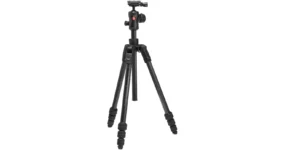
Tripods & Gimbals
Provide stability for long exposures, night shots, and vlogging. Also see our accessory list in Daisy Recommends: 5 Must-Have Accessories.
10. Final Tips for Beginners
- Start learning with Aperture Priority mode.
- Practice one concept each week.
- Review your images and check the histogram.
- Use RAW format if you plan to edit your photos.
As you grow, explore our guides like the Beginner Cameras 2025 or lens-specific posts for deeper learning.

“Hi there! I refreshed this guide in 2025, keeping the essential photography tips you love, but with more clarity and examples. Happy shooting!”