At some point, almost every photographer reaches the same quiet realization: “My camera isn’t bad… but it’s starting to feel like it’s in the way.” This moment rarely happens because of poor image quality — today’s beginner mirrorless cameras are incredibly capable — but because your expectations as a photographer have changed.
You’re shooting with more intention now. You notice missed focus instead of ignoring it. You want faster access to manual controls without digging through menus. Maybe video is becoming part of your workflow. Or maybe your camera still works fine — but it no longer keeps up with how you actually shoot.
This is exactly the stage where most people make the wrong upgrade decision. They chase spec sheets. They jump camera systems too early. Or they buy a camera that looks impressive on paper but feels creatively overwhelming in real-world use.
In this guide, we’ll break down the best cameras to upgrade to from your first mirrorless — not based on hype or marketing language, but on how photographers naturally grow. If you’re searching for the right next-step camera, you’re exactly where you should be.
Signs You’ve Outgrown Your First Mirrorless
Here’s the truth most reviews won’t tell you: image quality is rarely the real reason to upgrade. Modern beginner mirrorless cameras already deliver excellent results. When your photos start to feel limited, the issue is usually how the camera responds, not how sharp the file looks.
It’s Not About Image Quality Anymore
If you find yourself thinking, “The photo is sharp, but it’s not the shot I wanted,” you’ve already moved beyond the beginner phase. At this point, upgrading becomes relevant when your camera starts slowing down your decisions instead of supporting them.
- Autofocus hesitates or misses moving subjects
- Important settings are buried instead of instantly accessible
- The camera struggles to keep up with your timing
At this stage, a better camera won’t magically make you a better photographer — but it will get out of your way and let you focus on the moment instead of the tool.
Where Beginner Cameras Start to Limit You
Beginner mirrorless bodies are designed to be lightweight, forgiving, and menu-driven. That’s perfect when you’re learning. But as your shooting becomes more intentional, those same design choices begin to feel restrictive.
- Slower and less confident autofocus tracking
- Limited button customization and control dials
- Smaller buffers that interrupt burst shooting
- Video features that feel secondary rather than integrated
What Really Matters When Upgrading a Camera
When photographers upgrade from their first mirrorless camera, they often focus on the wrong things. More megapixels. Newer sensor. Bigger numbers. But in real-world shooting, those specs rarely change how your photos feel. What truly matters is how confidently, quickly, and intuitively your camera responds when the moment happens.
A meaningful upgrade improves speed, reliability, and control. It helps you react without hesitation. It reduces missed shots. And most importantly, it supports the way you already shoot, instead of forcing you to adapt to the camera.
Autofocus, Speed & Reliability
This is the number one reason photographers feel an immediate difference after upgrading. Modern mid-range and enthusiast cameras don’t just focus faster — they focus more consistently, especially in situations where beginner cameras start to struggle.
Advanced autofocus systems bring tangible benefits:
- More accurate subject detection (faces, eyes, animals)
- Reliable continuous AF for moving subjects
- Better low-light focus without hunting
Speed isn’t just about burst rate. It’s about how quickly your camera wakes up, locks focus, and fires when you press the shutter. If your current camera makes you hesitate — or second-guess whether it nailed focus — that hesitation disappears with a more reliable system.
Ergonomics and Controls (Why Dials Matter)
This is where many first-time upgraders say, “Oh… now I get it.” Better cameras don’t just perform better — they feel better in your hands. Physical controls change how you interact with photography.
Dedicated dials and customizable buttons allow you to adjust exposure, ISO, and shutter speed without breaking eye contact with the scene. Instead of diving into menus, you start shooting more instinctively.
- Front and rear control dials for faster exposure changes
- Custom buttons mapped to your shooting habits
- Deeper grips that balance better with larger lenses
This isn’t about looking professional. It’s about reducing friction. When the camera matches your hands and muscle memory, you spend less time thinking about settings — and more time seeing photographs.
Video vs Photography Priorities
One of the most important questions before upgrading is also the simplest: what do you actually shoot? Many photographers buy hybrid cameras packed with video features they rarely use, while others underestimate how quickly video becomes part of their creative process.
If photography is your main focus, you’ll benefit more from:
- Better viewfinders and faster shooting response
- Stronger autofocus for stills
- Ergonomics optimized for long photo sessions
If video matters — even occasionally — priorities shift toward:
- Reliable continuous autofocus during recording
- Log profiles or higher bit-depth options
- Stabilization and overheating management
The best upgrade isn’t the camera that does everything. It’s the camera that does your main thing exceptionally well, without compromise.
Best Cameras to Upgrade To (By Shooting Style)
There is no such thing as a universally “best” camera upgrade. The right choice depends entirely on how you shoot, what slows you down, and which features actually improve your workflow. Street photographers, travelers, portrait shooters, and hybrid creators all hit different limits — and upgrades should solve those specific pain points.
Instead of chasing specs, the smartest upgrade path is to match your camera to your shooting style. Below, we break down the most meaningful upgrade directions based on real-world use — not marketing promises.
Best Upgrade for Photography-Focused Shooters
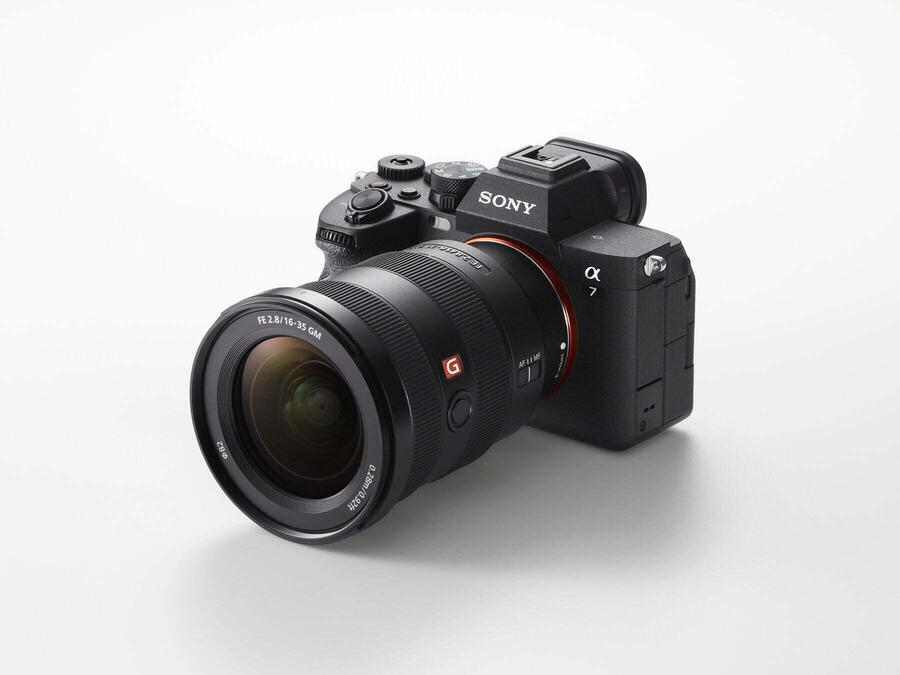
If your priority is still photography, look for upgrades that improve autofocus reliability, dynamic range, and handling rather than chasing video specs.
Best Upgrade for Hybrid Photo & Video Creators
Hybrid creators need cameras that balance photo quality with reliable video autofocus, modern codecs, and heat management.
Best Upgrade for Travel & Everyday Photography
For travel and daily use, the ideal upgrade is compact, fast to operate, and dependable across lighting conditions.
Best Upgrade for Action, Wildlife & Sports
Fast subjects require upgrades that deliver speed, buffer depth, and advanced subject tracking.
APS-C or Full Frame: What Changes When You Upgrade?
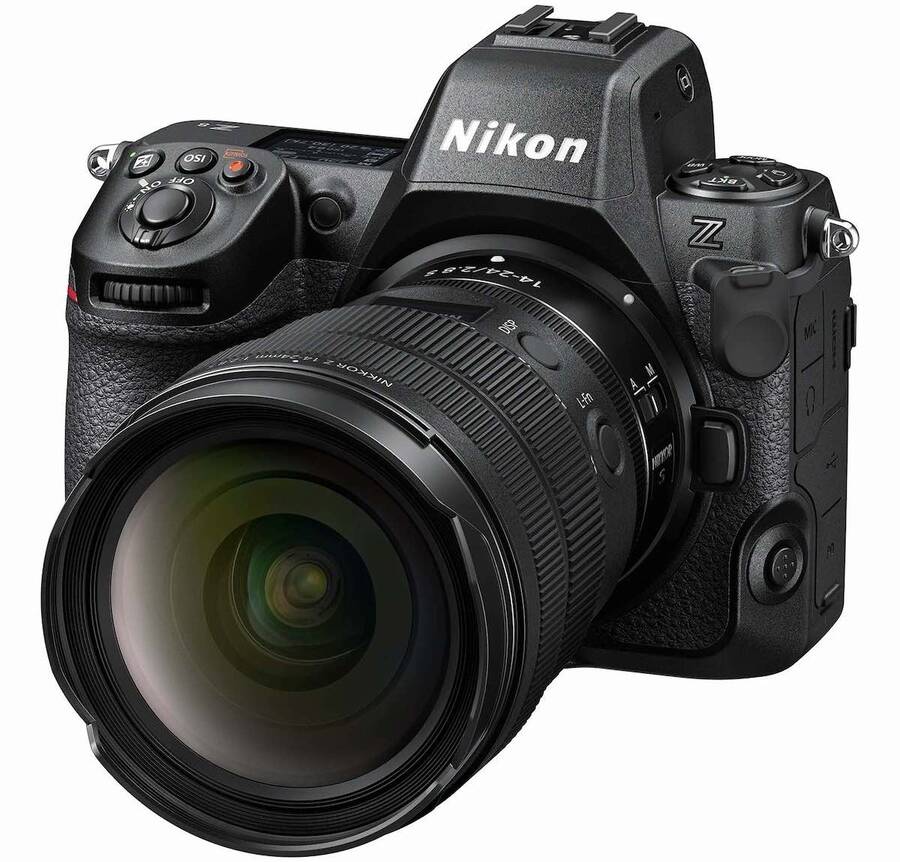
One of the biggest questions when upgrading a camera is whether moving from APS-C to full frame actually improves your photography — or simply increases cost and complexity. The answer isn’t emotional or brand-driven; it’s practical.
Size, Cost & Lens Ecosystem
Full-frame cameras are typically larger, heavier, and more expensive — and the same is true for their lenses. When you upgrade, you’re not just buying a new body; you’re committing to an entire lens ecosystem that often costs more and takes up more space.
APS-C systems, on the other hand, offer lighter kits, smaller lenses, and often better reach for genres like wildlife and travel. For many photographers, especially those shooting street, travel, or everyday life, this balance matters more than sensor size alone.
Low Light & Depth of Field Reality
Yes — full frame delivers better low-light performance and naturally shallower depth of field. But the real-world difference is often smaller than expected, especially with modern APS-C sensors and fast lenses.
If your photography doesn’t rely heavily on extreme background blur or frequent high-ISO shooting, upgrading to full frame may not change your results as dramatically as marketing suggests. Technique, lens choice, and light still matter more.
Cameras You Don’t Need to Upgrade To (Yet)
Upgrading should solve problems — not create new ones. Many photographers feel pressure to move up simply because newer models exist. This section is about avoiding unnecessary upgrades and making smarter buying decisions.
Spec Traps and Overkill
It’s easy to get distracted by 8K video, ultra-high megapixel counts, or burst speeds designed for professionals. But if your work doesn’t demand those features, they add cost without adding value.
Buying a camera that exceeds your actual needs can slow your workflow, increase file sizes, and complicate editing — all without improving your photos. More specs do not automatically mean better photography.
When Lenses Matter More Than Bodies
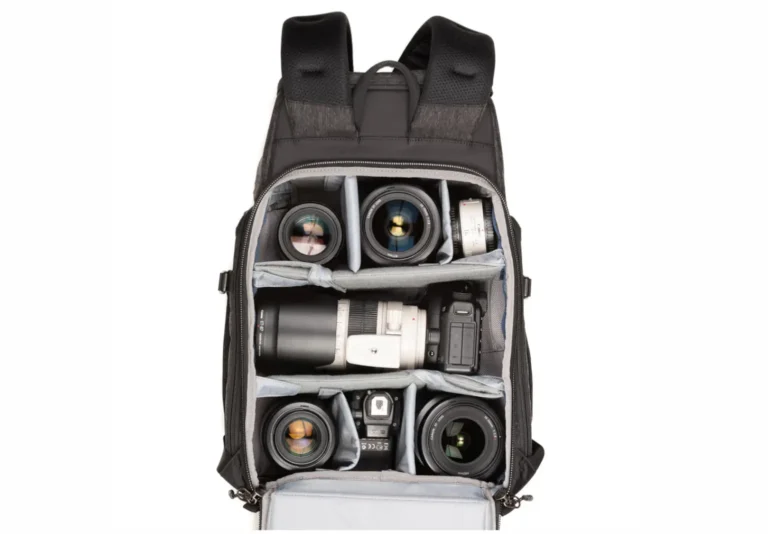
In many cases, investing in better lenses delivers a far greater upgrade than switching camera bodies. Improved sharpness, faster apertures, and better rendering often transform images more noticeably than a new sensor.
If your current camera is reliable, focuses well, and meets your resolution needs, upgrading lenses first is often the smarter — and more cost-effective — move. Cameras change fast. Good lenses last.
Daisy’s Buying Advice: Upgrade With Direction
Most upgrade regret comes from chasing trends instead of solving real problems. A better camera should feel like a natural extension of how you already shoot, not a radical reset that forces you to relearn everything.
Match the Camera to Your Growth, Not Trends
If your photography is improving through consistency, awareness, and intention, your upgrade should support that growth — not distract from it. Ignore hype cycles and spec races. Focus on what actually slows you down today.
The right upgrade quietly improves autofocus reliability, handling, and confidence. It doesn’t shout. It simply gets out of your way and lets you shoot more.
Final Thoughts: The Right Upgrade Feels Boring (At First)
This might sound strange, but the best camera upgrades often feel underwhelming at first. There’s no dramatic “wow” moment — just fewer missed shots, smoother sessions, and less frustration.
Over time, that quiet reliability compounds into better images, stronger habits, and long-term satisfaction. The right upgrade doesn’t change who you are as a photographer overnight — it simply helps you become more consistent at being one.
Choose the camera that fits your direction, not your feed. That’s where real progress lives.
TL;DR: Camera Upgrade Checklist
Before upgrading your camera, make sure you can confidently say “yes” to most of these:
- Your current camera misses focus in situations you shoot often.
- You feel limited by slow performance, buffer, or responsiveness.
- Your shooting style is stable — you know what you photograph most.
- You’ve already invested in at least one good lens.
- You understand which features you’ll actually use (AF, video, speed).
- You want less friction, not more complexity.
If this list feels obvious rather than exciting, you’re probably ready to upgrade.
Frequently Asked Questions
How long should I keep my first mirrorless camera?
Most first mirrorless cameras can comfortably last 3–5 years. If it still focuses reliably and supports your main shooting style, there’s no urgency to upgrade.
Will a new camera instantly improve my photos?
A new camera improves consistency and reliability, not creativity. Better results come from how often you shoot and how well you understand light, timing, and composition.
Is full frame always better than APS-C?
No. Full frame offers advantages in low light and depth of field, but APS-C systems often provide better portability, reach, and value — especially for travel and everyday photography.
Should I upgrade my camera or buy a new lens first?
If your current camera performs well, investing in a better lens often delivers a bigger improvement than changing bodies.