Why Choose the Canon EOS R System?
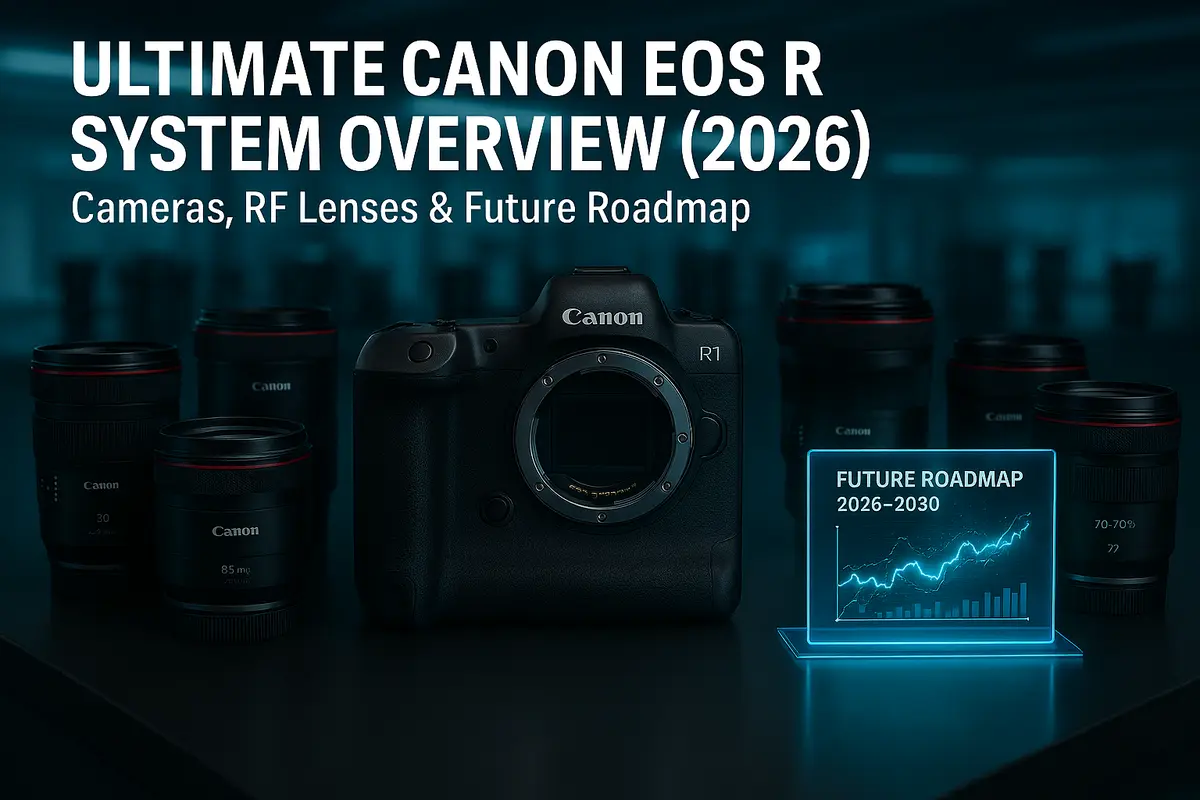
The Canon EOS R System has become one of the most influential mirrorless ecosystems of the last decade. Whether you are a beginner photographer, a dedicated hybrid shooter, or a professional working in demanding environments, Canon’s RF mount offers a compelling blend of innovation, versatility, and long-term system stability.
Canon continues to push the mirrorless market forward with advancements in Dual Pixel AF technology, excellent in-body image stabilization, expanded 10-bit video workflows, and industry-leading color science that has become a trademark for both photographers and filmmakers. These advantages make the EOS R system not only powerful, but also exceptionally easy to integrate into a wide variety of shooting styles.
One of the biggest strengths of the system is the RF lens lineup — a collection that includes lightweight RF-S lenses for APS-C users, compact non-L lenses for travel and daily use, and premium L-series optics designed for maximum sharpness, weather sealing, and professional reliability. Thanks to the RF mount’s short flange distance, Canon has been able to develop faster, smaller, and optically superior lenses compared to older DSLR designs.
As mirrorless adoption accelerates globally, many creators are evaluating which system offers the best long-term platform. With Canon’s growing camera lineup — from entry-level bodies to high-end flagships — the EOS R ecosystem provides a clear upgrade path for every level of user. Whether your focus is photography, 4K/8K video, weddings, wildlife, content creation, or professional filmmaking, the system delivers exceptional performance with a familiar and intuitive workflow.
In this guide, we will break down the entire Canon EOS R system as part of the DailyCameraNews Mirrorless Hub Series: every camera, every key lens group, ideal user profiles, recommended kits, and what to expect from Canon moving forward. If you’re ready to understand how the RF ecosystem fits into the modern mirrorless landscape, let’s dive in.
Canon EOS R System Overview
At the heart of the modern lineup stands the RF mount, the foundation of the Canon EOS R System. The RF mount retains the same large 54 mm inner diameter as the old EF mount, but drastically reduces the flange distance — from 44 mm to only ~20 mm. This change, enabled by the mirrorless design, unlocks far more flexibility in lens design.
Thanks to this short flange distance and advanced 12-pin communication between lens and body, RF lenses can be made more compact while delivering greater optical performance, faster autofocus, better stabilization, and improved edge-to-edge sharpness.
Importantly, the EOS R System supports both full-frame and APS-C (crop-sensor) bodies — meaning that whether you pick a full-frame body for maximum image quality or a crop-sensor body for speed, reach, or budget constraints, you remain within the same unified RF ecosystem.
As a result, the Canon EOS R System delivers a rare combination: from entry-level portability to professional-level performance — all within a single lens mount & body ecosystem. From lightweight travel kits to full-frame cinematic rigs, the system is built for flexibility, future-proofing and creative growth.
Technical Advantages of the RF Mount
The RF mount was designed to surpass the optical and performance limitations of older DSLR systems. Below is a clear overview of the main technical strengths that set the platform apart.
| Advantage | What It Means |
| Short 20mm Flange Distance | Allows lenses to be smaller, lighter, and optically sharper — particularly in wide-angle and high-aperture designs. |
| Large 54mm Mount Diameter | Enables extremely fast apertures (f/1.2, f/1.4) and edge-to-edge image quality not possible on smaller mounts. |
| 12-Pin High-Speed Communication | Faster data transfer improves autofocus responsiveness, lens corrections, electronic IS, and video performance. |
| Improved Optical Formulas | Canon can build lenses with less glass, higher sharpness, and improved aberration control. |
| Better Support for Future Sensors | The mount is designed to scale with high-resolution and high-frame-rate sensor technologies in the future. |
| Optimized for Hybrid Shooting | Stabilization, digital correction, and AF performance benefit both photographers and filmmakers. |
Canon EOS R System Compatibility Overview
One of the greatest strengths of the system is that both full-frame RF bodies and APS-C RF-S bodies belong to the same ecosystem. Here is a quick compatibility summary:
| Lens Type | Works on RF Full-Frame Bodies? | Works on RF-S APS-C Bodies? | Notes |
| RF Lenses (Full-Frame) | ✔ Yes | ✔ Yes (with 1.6x crop) | Ideal for upgrading APS-C users who plan to move to full-frame in the future. |
| RF-S Lenses (APS-C) | ✘ No | ✔ Yes | RF-S lenses cannot be used on full-frame bodies, even in crop mode. |
| EF / EF-S Lenses | ✔ Yes (with EF–RF adapter) | ✔ Yes (with EF–RF adapter) | Great option for users transitioning from Canon DSLRs. |
| Third-Party Lenses | Limited Support | Limited Support | AF-supported options are growing but still limited compared to Sony or Nikon. |
Canon EOS R Camera Lineup
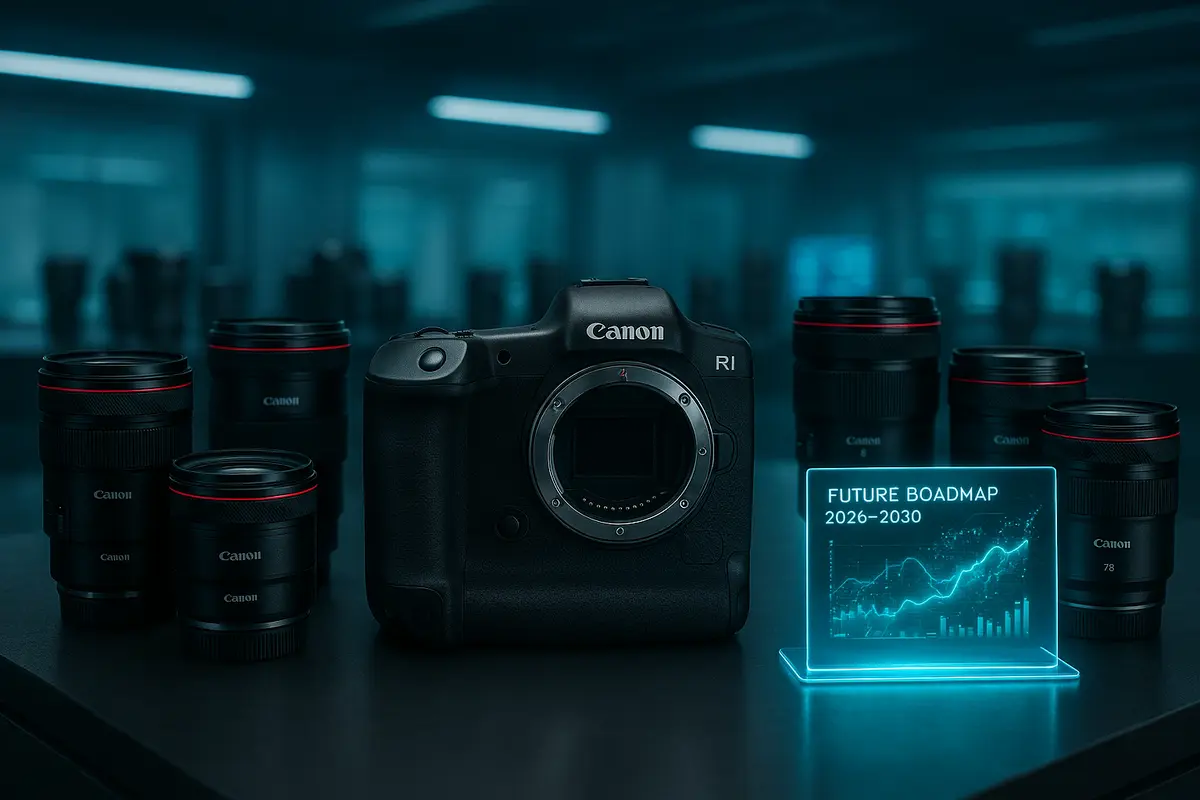
Below is an up-to-date, sourced breakdown of Canon’s EOS R bodies across segments — from compact APS-C creators to full-frame professional flagships — with direct links to key announcement/rumor coverage where relevant.
Entry-Level & Creator / APS-C Segment
- Canon EOS R50 / R50 V – Compact, lightweight mirrorless bodies aimed at new photographers and vloggers. Great entry point into the RF ecosystem without a steep learning curve.
- Canon EOS R10 – A higher-performance APS-C option that balances speed and portability for hybrid creators and travel shooters.
- Other APS-C models – Canon’s APS-C roadmap continues to expand; for a consolidated look at Canon’s expected 2026 APS-C and full-frame releases see the Canon 2026 rumors roundup. (Canon Upcoming Cameras 2026).
Mid-Range (Enthusiast / Hybrid Users)
- Canon EOS R7 – The high-performance APS-C body known for speed and reach; widely used by wildlife and sports hobbyists. Note: the R7 Mark II has reportedly been delayed into 2026 — see the Daily Camera News rumor piece for details. (R7 Mark II delayed until 2026).
- Canon EOS R6 II – Full-frame hybrid workhorse offering IBIS, strong low-light performance and balanced photo/video capabilities; a popular choice for enthusiasts and pros on a tighter budget.
- Canon EOS R6 Mark III – Canon officially announced the R6 Mark III as a major mid-range/full-frame hybrid upgrade; see Daily Camera News’ coverage for specs, launch details and pre-order links. (Meet the Canon EOS R6 Mark III).
Professional / High-End Full-Frame Segment
- Canon EOS R5 / R5 II – High-resolution, pro-level hybrid camera with strong stills and video credentials; remains a top choice for commercial, landscape and studio shooters.
- Canon EOS R3 – Professional speed- and reliability-focused body built for sports, wildlife, and photojournalism where ruggedness and tracking performance are essential.
- Canon EOS R1 – Canon’s flagship full-frame model (announced and shipping) — the R1 is Canon’s top-of-the-line pro body and has been officially recognized in Canon’s press releases and awards coverage. (Canon: EOS R1 release/awards).
Quick notes:
- The RF ecosystem is intentionally broad: RF lenses work on both RF full-frame bodies and RF-S APS-C bodies (with crop), while RF-S lenses are APS-C only.
- Several Canon bodies and lenses expected around 2026 (R7 Mark II, R10 Mark II, R8V, plus creator-focused V-series updates) are tracked in the Canon 2026 rumors roundup — check that summary for timeline expectations. (Canon Upcoming Cameras 2026).
Canon RF Lens System Explained
The Canon RF mount is one of the most modern and versatile mirrorless lens ecosystems on the market. Designed for high-speed communication between the camera and the lens, RF optics deliver improved autofocus accuracy, edge-to-edge sharpness, and advanced video performance. Whether you’re a beginner stepping into the Canon R system or a working professional capturing commercial work, the RF lineup offers specialized lenses for every shooting style.
RF vs RF-S Lenses
- RF Lenses: Built for full-frame Canon EOS R bodies. They offer the highest optical quality and cover the entire sensor area.
- RF-S Lenses: Designed for APS-C bodies (R7, R10, R50, R100). Lightweight, affordable, and optimized for a 1.6x crop factor.
- Compatibility Note: RF lenses work perfectly on RF-S cameras (with crop). RF-S lenses cannot be used on full-frame bodies.
Canon RF Lens Categories
Below is a practical breakdown of the RF lineup with real-world recommendations and buying options.
1. Standard Zoom Lenses (Everyday / Travel)
- Canon RF 24-105mm f/4L IS USM – The most versatile L-series zoom for hybrid shooters.
Amazon | B&H | Adorama - Canon RF 24-70mm f/2.8L IS USM – The professional workhorse for weddings, portraits, and video production.
- Canon RF 15-30mm f/4.5-6.3 IS STM – Affordable wide-angle for APS-C and full-frame creators.
2. Prime Lenses (Portrait / Low-Light / Creative)
- Canon RF 50mm f/1.8 STM – The “nifty fifty” of the RF system; budget-friendly and perfect for everyday portraits.
- Canon RF 85mm f/2 Macro IS STM – Great for portraits and close-up work with hybrid macro capability.
Amazon | B&H | Adorama - Canon RF 35mm f/1.8 IS Macro STM – One of the best all-around primes for street, travel, and handheld video (IBIS-friendly pairing).
- L-Series Primes (for professionals):
- RF 50mm f/1.2L USM
- RF 85mm f/1.2L USM / DS
- RF 135mm f/1.8L IS USM (incredible compression + stabilization)
3. Wide-Angle Lenses (Landscape / Real Estate / Vlogging)
- Canon RF 14-35mm f/4L IS USM – Sharp, stabilized, and perfect for landscape photographers.
- Canon RF 15-35mm f/2.8L IS USM – The premium wide zoom for professionals needing f/2.8.
- Canon RF-S 10-18mm f/4.5-6.3 IS STM – Excellent compact vlogging choice for APS-C shooters.
4. Telephoto & Wildlife Lenses
- Canon RF 100-400mm f/5.6-8 IS USM – Remarkably lightweight, sharp, and budget-friendly telephoto.
Amazon | B&H | Adorama - Canon RF 70-200mm f/2.8L IS USM – Professional portrait, sports, and event lens (surprisingly compact for 2.8).
- Canon RF 200-800mm f/6.3-9 IS USM – A game-changer for wildlife and bird photography, offering extreme reach at accessible pricing.
- Super-Telephoto L Primes:
- RF 300mm f/2.8L IS USM
- RF 400mm f/2.8L IS USM
- RF 600mm f/4L IS USM
5. Video & Content Creator Lenses
- Canon RF 16mm f/2.8 STM – Ultra-affordable, ultra-portable, perfect for vlogging.
- Canon RF 24mm f/1.8 IS STM – Ideal for handheld talking-head video with creamy background blur.
- Canon RF 24-105mm f/4-7.1 IS STM – A budget flexible zoom for beginners.
- Canon RF 28mm f/2.8 STM (Pancake) – Great for compact camera setups.
Why RF Lenses Stand Out
- Faster communication between lens & sensor enabling improved AF and stabilization.
- Short flange distance enabling better edge sharpness and more compact optical designs.
- Advanced video features like smooth focus breathing compensation on supported bodies.
- Growing third-party support (Sigma, Tamron, Viltrox now officially producing RF lenses).
Canon’s RF ecosystem has matured rapidly, and with more lenses expected in 2026, photographers across all genres will have even stronger choices.
Who Is the Canon EOS R System For?
The strength of the Canon EOS R ecosystem is that it adapts to every type of creator — from beginners shooting their first YouTube video to professionals capturing commercial films or fast-paced wildlife. Below are four user profiles that perfectly match Canon’s current RF camera and lens lineup.
1. Beginner Creators & First-Time Mirrorless Users
If you’re starting your photography or YouTube journey, the Canon R system offers lightweight and affordable options that are easy to learn. These cameras deliver great image quality, strong autofocus, and excellent colors straight out of the camera.
- Recommended Cameras: Canon EOS R50, EOS R10
- Recommended Lens: Canon RF 16mm f/2.8 STM (perfect for vlogging and travel)
Shop:
R50 on Amazon | B&H | Adorama
RF 16mm f/2.8 on Amazon | B&H | Adorama
2. Hybrid Shooters (Photo + Video)
For creators who need strong 4K video, reliable autofocus, excellent image stabilization, and clean low-light performance, Canon’s full-frame hybrid bodies deliver exceptional balance. Ideal for weddings, events, documentary, travel filmmaking, and everyday professional work.
- Recommended Cameras: Canon EOS R6 II, Canon EOS R5 (or R5 Mark II depending on lineup timing)
- Recommended Lenses: RF 24-70mm f/2.8L IS USM, RF 35mm f/1.8 IS STM
Shop Hybrid Bodies:
R6 II on Amazon | B&H | Adorama
R5 on Amazon | B&H | Adorama
3. Wildlife & Sports Photographers
If your priority is speed, autofocus accuracy, long-lens performance, and high burst rates, Canon’s APS-C and full-frame sports machines deliver incredible results. Their fast tracking and deep buffers make them ideal for birds, wildlife, aviation, motorsports, and field sports.
- Recommended Cameras: Canon EOS R7, Canon EOS R3
- Recommended Lenses: RF 100-500mm f/4.5-7.1L, RF 200-800mm f/6.3-9 IS USM
Shop Wildlife Gear:
R7 on Amazon | B&H | Adorama
R3 on Amazon | B&H | Adorama
RF 100-500mm on Amazon | B&H | Adorama
4. Professional Video Creators & Cinematographers
For creators who demand the highest video performance — oversampled 4K, advanced codecs, heat management, professional audio support, and reliable autofocus — Canon’s higher-end bodies deliver cinema-grade output in compact mirrorless form.
- Recommended Cameras: Canon EOS R5 (and R5 Mark II video upgrades), Canon EOS R5 C, and future R1 video-focused enhancements
- Recommended Lenses: RF 24-70mm f/2.8L, RF 15-35mm f/2.8L, RF 24mm f/1.8 IS STM
Shop Video Gear:
R5 C on Amazon | B&H | Adorama
RF 24-70mm f/2.8L on Amazon | B&H | Adorama
These four personas cover almost every modern creator’s needs — and the Canon EOS R ecosystem provides a perfectly matched body and lens combination for each one.
Recommended Canon RF Kits for Every Use Case
Below are carefully curated Canon RF camera + lens combos (kits) that match different shooting styles and use-cases. These configurations offer a balanced setup right out of the box — ideal for creators, enthusiasts, and professionals alike.
📸 Beginner / Everyday Photo & Vlog Kit
- Body: Canon EOS R50
- Lens: Canon RF 16mm f/2.8 STM — great for vlogging, travel, street photography, and wide-angle everyday shots.
- Ideal For: New photographers, YouTube creators, travel vloggers, everyday memory capturing.
Buy EOS R50 on Amazon | B&H | Adorama
Buy RF 16mm f/2.8 STM on Amazon | B&H | Adorama
🎬 Hybrid Creator / Travel & Content Kit
- Body: Canon EOS R6 II
- Lens: Canon RF 24-70mm f/2.8L IS USM — versatile zoom for portrait, landscape, travel, video, everyday shooting.
- Lens (alternate): Canon RF 35mm f/1.8 IS Macro STM — lightweight prime for low-light, street, video and creative work.
- Ideal For: Travel photographers, hybrid shooters (photo + video), lifestyle content creators, event coverage.
Buy EOS R6 II on Amazon | B&H | Adorama
Buy RF 24-70mm f/2.8L on Amazon | B&H | Adorama
Buy RF 35mm f/1.8 STM on Amazon | B&H | Adorama
🐦 Wildlife / Sports / Action Kit
- Body: Canon EOS R7
- Lens: Canon RF 100-500mm f/4.5-7.1L IS USM — excellent telephoto reach for wildlife, birds, sports, distant subjects.
- Lens (alternative): Canon RF 200-800mm f/6.3-9 IS USM — extreme reach for birding, wildlife, nature and distant subjects.
- Ideal For: Wildlife photographers, bird watchers, sports photographers, nature photographers needing reach and portability.
Buy EOS R7 on Amazon | B&H | Adorama
Buy RF 100-500mm f/4.5-7.1L on Amazon | B&H | Adorama
Buy RF 200-800mm f/6.3-9 on Amazon | B&H | Adorama
🎥 Professional Video / Cinema Kit
- Body: Canon EOS R5 (or R5 Mark II / R5 C — depending on release state and video needs)
- Lens: Canon RF 24-70mm f/2.8L IS USM — a versatile professional standard zoom;
alternative wide: Canon RF 15-35mm f/2.8L IS USM for cinematic landscapes/interiors;
and a fast prime: Canon RF 24mm f/1.8 IS STM for low-light video and cinematic shallow depth-of-field. - Ideal For: Filmmakers, wedding videographers, content creators needing high dynamic range, flexible zoom & prime options, and professional video output.
Buy EOS R5 on Amazon | B&H | Adorama
Buy RF 24-70mm f/2.8L on Amazon | B&H | Adorama
Buy RF 15-35mm f/2.8L on Amazon | B&H | Adorama
Buy RF 24mm f/1.8 IS STM on Amazon | B&H | Adorama
These recommended kits are meant to give a balanced out-of-box setup — whether you need portability, flexibility, telephoto reach, or cinematic video quality. As your skills grow and you specialize, you can gradually expand with additional lenses and accessories.
Not sure which Canon, Nikon, Sony, or Fujifilm mirrorless camera fits your budget? Check our
Best Mirrorless Cameras in 2025 guide for a full comparison.
Memory Cards & Media Recommendations (Canon EOS R System)
Using the proper memory card is crucial for Canon EOS R shooters — especially when you’re working with high-resolution photos, 4K/6K video, or burst shooting. Below you’ll find supported formats, recommended cards per camera group, minimum speed requirements, and store links.
Supported Formats — Quick Overview
Most Canon EOS R mirrorless bodies support UHS-II SD cards. For higher-end bodies (especially models like EOS R5 / R5 C, and future bodies with high bitrate needs), a fast UHS-II SD or CFexpress card (if supported via CFexpress) is highly recommended to ensure stable performance for video and burst shooting.
Recommended Card Types by Camera Group
- Full-frame Hybrid or Video-focused bodies (e.g. EOS R5, EOS R5 C, future high-bitrate models) — Use **fast UHS-II SD cards** (V90/V60) or any CFexpress Type B if the model supports it, to handle heavy video and RAW burst demands.
- Enthusiast / Mid-range bodies (e.g. EOS R6 II, R6, R7, R8, R10/R50 series) — UHS-II SD cards for balanced photo and video work; for heavy video or long RAW bursts go for V60/V90 models.
- Entry-level / Lightweight bodies (e.g. EOS R50, R100, older R-series APS-C bodies) — High-quality UHS-II SD cards give reliable performance for everyday shooting and casual video.
Top Recommended Memory Cards
- SanDisk Extreme Pro UHS-II SD (V90) —
Amazon | B&H Photo | Adorama - ProGrade Gold UHS-II SD (V60) —
Amazon | B&H Photo | Adorama - Lexar Professional UHS-II SD (V60/V90) —
Amazon | B&H Photo | Adorama - Sony TOUGH CFexpress Type B (for supported bodies) —
Amazon |B&H Photo | Adorama
Minimum Card Speeds & Use Cases
| Use Case | Minimum Recommended Media |
|---|---|
| High bit-rate 4K / 6K / RAW video | UHS-II SD (V90) or CFexpress Type B |
| 4K 30p / 4K 60p (if supported) | UHS-II V60 / V90 |
| High-speed RAW burst | UHS-II V90 or CFexpress Type B |
| General photography / JPEG + basic video | UHS-II V60 or faster |
Bonus: Useful Accessories & Add-ons
To get the most out of your Canon RF kit — whether you shoot photo, video, wildlife, or travel — here are some accessory recommendations that pair especially well with the above setups:
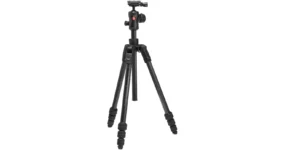
- Best Budget Tripods for 2025 — Daisy’s Tested Picks: Affordable yet stable tripods that suit travel, landscape, and video work, ideal addition to any EOS R kit.
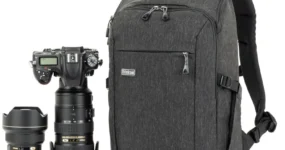
- Daisy Recommends: 5 Must-Have Photography Accessories (2025): A curated list of versatile accessories (filters, bags, straps, etc.) that upgrade your shooting setup without breaking the bank.
Practical Advice for Canon Users
- Always format memory cards in-camera before use, to minimize file corruption risk.
- For professional shoots (weddings, events, commercial), use a fast card (V90 SD or CFexpress if supported) and keep a backup card ready.
- Label cards clearly and implement a rotation system — avoid overwriting important cards during or after shoots.
- Check your camera’s official Canon spec sheet for media compatibility and recommended card types before purchasing.
Conclusion: Should You Choose the Canon EOS R System?
If you want a mirrorless system that delivers excellent color science, versatile RF lenses, and a lineup that covers everyone from beginner creators to elite professionals, the Canon EOS R system is one of the strongest ecosystems today.
Canon’s combination of reliable autofocus, strong lens roadmap, and creator-friendly hybrid bodies makes it a safe long-term choice — whether you’re starting with an R50 or stepping into professional territory with the EOS R1.
Ready to Buy?
Not sure which Canon mirrorless camera fits your budget?
Check our Best Canon Mirrorless Cameras in 2025 guide for a full comparison.
Shop Canon EOS R cameras & lenses: Amazon | B&H Photo | Adorama
Return to the Main Hub
Looking for system comparisons, lens guides, or buyer recommendations?
← Back to the Ultimate Mirrorless Camera Guide Hub
Explore Other System Guides
- Nikon Z System Guide
- Fujifilm X System Guide
- Sony E / Alpha System Guide
- OM System & Micro Four Thirds Camera Guide
- Panasonic L-Mount System Guide
Stay tuned—new system spokes are published daily!




[…] Canon EOS R System […]