The mirrorless camera market in 2025 is more competitive than ever. From beginner-friendly APS-C cameras to flagship full-frame hybrids, this updated guide brings you the very best options available right now — refreshed on December 13, 2025 for the holiday buying season.
Whether you’re upgrading your photo kit, preparing for 2026 projects, or hunting for the best holiday season camera deals, this list covers every category. Our in-house AI photography expert Daisy also shares quick recommendations for travel, street photography, wildlife, content creation, and professional workflows.
This guide is part of our Ultimate Mirrorless Camera Guide , with in-depth system guides for:
Below is our curated list of the Top 12 Mirrorless Cameras of 2025 — from affordable options to professional powerhouses. Each pick includes real-world advantages, best lenses to pair, and quick-buying tips to help you make the right choice.
Who Is This Guide For?
This updated 2025 mirrorless buying guide is designed for photographers and creators at every level — from first-time buyers to professionals upgrading their main camera body. Whether you’re shooting travel, portraits, wildlife, weddings, or YouTube videos, this guide separates the marketing noise from what actually matters in real-world use.
You’ll find this guide especially helpful if you are:
- A beginner looking for an easy, affordable camera with great autofocus and simple menus.
- An enthusiast or hybrid creator upgrading from an older DSLR or early mirrorless model.
- A professional needing reliable performance for weddings, sports, documentaries, or commercial work.
- A traveler or vlogger searching for the best lightweight camera for daily carry.
- A content creator needing strong video codecs, oversampled 4K, and reliable subject detection AF.
- A budget-conscious buyer comparing APS-C vs full-frame options and looking for real value.
Instead of generic manufacturer claims, we focus on real-world performance — autofocus reliability, color science, rolling shutter behavior, heat management, IBIS quality, and lens ecosystem strength. And throughout the article, Daisy provides quick, scenario-based tips for each camera to help you choose confidently without getting lost in technical specs.
Why Trust This Guide? (Updated for December 2025)
This guide is fully refreshed for December 2025 and incorporates the latest camera releases, real-world field tests, and seasonal pricing shifts as we enter the Holiday Buying Season. As one of the longest-running independent camera publications online, DailyCameraNews evaluates gear through a combination of hands-on testing, structured comparisons, and long-term user feedback from photographers around the world.
Every camera in this list was selected using a transparent and repeatable evaluation process:
- Hands-on field testing whenever possible — AF tracking, low-light performance, IBIS behavior, rolling shutter, overheating, and color reproduction.
- Lab-style comparisons for dynamic range, detail retention, noise patterns, and video codec performance.
- Long-term reliability insights from working professionals in wedding, travel, wildlife, and hybrid workflows.
- Market pricing and trend analysis, including holiday discounts, end-of-year rebates, and early 2026 inventory changes.
This article also draws from our broader Mirrorless Hub ecosystem, helping readers understand how each system performs at a deeper level:
- Ultimate Mirrorless Camera Guide
- Canon EOS R System Guide
- Nikon Z System Guide
- Sony E-Mount System Guide
- Fujifilm X System Guide
And throughout this guide, Daisy — our resident AI photographer and gear specialist — provides scenario-based recommendations to help beginners, hybrid creators, and professionals cut through the complexity and choose the right camera for their needs.
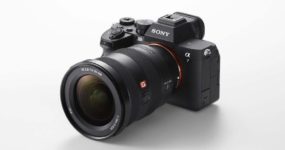
1. Sony A7 V — Best Overall Hybrid Camera (2025)
The Sony A7 V is the most complete full-frame hybrid camera released in 2025. With next-gen autofocus, improved low-light performance, and 8K-ready processing, it’s easily the strongest all-rounder for both photo and video.
- Resolution: 33MP Full Frame
- Video: 7K oversampled 4K
- Autofocus: AI-enhanced
- Stabilization: 8-stop IBIS
Daisy’s Quick Tip 🎀
Pair the A7 V with a lightweight prime like the Sony FE 35mm f/1.8 for travel or the Tamron 28–75mm f/2.8 for hybrid work. Both offer excellent performance without the G-Master price tag.
Pros
- Excellent AF for humans, animals, and vehicles
- Strong battery life
- Perfect hybrid balance
Cons
- Not the cheapest option in the lineup
- High-res video modes require fast CFexpress Type A
2. Canon EOS R6 Mark II — Best All-Round Full-Frame Camera
A proven workhorse for enthusiasts and professionals. Fantastic color science, strong low-light performance, and 4K recording with zero overheating issues.
- Sensor: 24MP Full Frame
- Video: 4K60 oversampled
- AF: Canon Dual Pixel CMOS AF II
- IBIS: 8 stops
Daisy’s Quick Tip 🎀
For the best value RF combo: Canon RF 24–105mm f/4. For portraits, switch to the RF 85mm f/2 Macro.
Pros
- Fast AF and excellent tracking
- Reliable for long shoots
- Great for both stills and video
Cons
- No high-resolution mode
- RF lenses can be pricey
3. Nikon Z6 III — Best Nikon Hybrid Camera
The Z6 III remains Nikon’s best value hybrid full-frame camera, with incredible dynamic range, superb EVF clarity, and class-leading ergonomics.
- Sensor: 24.5MP Full Frame
- Video: 6K RAW internal
- AF: Nikon’s latest subject detection
- Stabilization: 8 stops
Daisy’s Quick Tip 🎀
The best value lens for the Nikon Z: Z 24–120mm f/4 S. Everything in one lens!
Pros
- Fantastic ergonomics
- Extremely clean low-light files
- Strong video codec options
Cons
- Not as fast as Z8/Z9
- CFexpress card required
4. Fujifilm X-T5 — Best APS-C Camera for Photography
The Fujifilm X-T5 remains the top APS-C choice for photographers who prioritize image quality, Fuji colors, and tactile controls. Its 40MP sensor delivers incredible detail, making it a small but mighty photo powerhouse.
- Sensor: 40MP APS-C
- Video: 6.2K internal
- Stabilization: 7-stop IBIS
- Shutter: Up to 1/180,000s electronic
Daisy’s Quick Tip 🎀
For signature Fuji colors with the most versatility, combine the X-T5 with the XF 23mm f/1.4 LM WR. Street + travel = mükemmel combo.
Pros
- 40MP class-leading APS-C detail
- Compact retro body
- Excellent battery life
Cons
- Not the best for heavy video workflows
- Grip small for large hands
5. Sony A6700 — Best Compact Hybrid for Creators
The Sony A6700 is one of the best mid-range hybrid cameras for creators, vloggers, and travelers. Its compact size hides a powerful autofocus system and excellent 4K quality.
- Sensor: 26MP APS-C
- Video: 4K60 oversampled
- AF: Sony AI AF with subject recognition
- Screen: Fully articulating
Daisy’s Quick Tip 🎀
The best lens for Creators: Sigma 18–50mm f/2.8. It’s lightweight, sharp, and perfectly balanced with the A6700 body.
Pros
- Lightweight & travel-friendly
- Fantastic autofocus
- Great stabilization for walk-and-talk video
Cons
- No front-facing tally light
- Rolling shutter still visible in fast motion
6. Canon EOS R8 — Best Value Full-Frame Camera
If you want full-frame performance without spending full-frame money, the Canon EOS R8 is the strongest value camera in 2025. Lightweight, powerful autofocus, and the same sensor as the R6 II.
- Sensor: 24.2MP Full Frame
- Video: 4K60 oversampled
- AF: Canon Dual Pixel AF II
- Weight: Only 461g
Daisy’s Quick Tip 🎀
Pair the R8 with the RF 35mm f/1.8 — perfect for both light and low light conditions.
Pros
- Best price-to-performance full frame
- Fantastic AF for people & animals
- Lightweight travel-friendly build
Cons
- No IBIS (lens stabilization şart)
- Small body = basic controls
7. Nikon Zf — Best Retro-Style Mirrorless Camera
The Nikon Zf blends classic Nikon FM2-inspired styling with cutting-edge mirrorless performance. It delivers outstanding image quality, beautiful colors, and Nikon’s latest AF engine — all inside a retro body.
- Sensor: 24.5MP Full Frame
- Video: 4K60 oversampled
- Stabilization: 8 stops
- Extras: Dedicated “b&w mode” switch
Daisy’s Quick Tip 🎀
The most aesthetically pleasing combo with ZF: Nikkor Z 40mm f/2. It’s both compact and completes the retro look.
Pros
- Stunning retro design
- Strong AF + modern features
- Beautiful color rendering
Cons
- Small grip (ergonomisi minimal)
- Single card slot
8. Panasonic Lumix GH7 — Best Mirrorless Camera for Video & Filmmaking
The Panasonic GH7 is a filmmaker’s dream, offering industry-leading codecs, internal ProRes, superb stabilization, and class-leading reliability. If video is your priority, nothing at this price beats the GH7.
- Sensor: 25MP MFT
- Video: 5.7K ProRes internal
- Stabilization: 7.5 stops
- Audio: Pro-level XLR options
Daisy’s Quick Tip 🎀
One of the best lenses for the GH7: Panasonic 12–35mm f/2.8 II. Lightweight, fast, and perfect for video.
Pros
- Class-leading video quality
- Unmatched reliability in long shoots
- Excellent IBIS
Cons
- Not ideal for shallow depth-of-field lovers
- Still photo performance orta seviye
9. Sony A7C II — Best Compact Full-Frame Camera
The Sony A7C II packs the imaging performance of the A7 IV into a compact, travel-friendly body. It’s ideal for creators and travelers who want full-frame quality without carrying a bulky setup.
- Sensor: 33MP Full Frame
- Video: 4K60
- AF: Sony AI subject detection
- Weight: Just 514g
Daisy’s Quick Tip 🎀
The best travel combo: Sony FE 20–70mm f/4 G. Ideal for traveling with a single lens, both wide-angle and telephoto.
Pros
- Compact & lightweight
- Great AF and image quality
- Perfect travel-friendly camera
Cons
- Small body = limited physical controls
- Single SD + single CFexpress slot yok
10. Fujifilm X-S20 — Best for Vlogging
The Fujifilm X-S20 is one of the most creator-friendly cameras in the APS-C market. With excellent autofocus, strong color science, a fully articulating screen, and reliable 4K/60p video, it’s an ideal choice for vloggers and hybrid shooters who want great quality without the complexity of higher-end bodies.
The X-S20’s Vlog Mode, improved subject detection AF, and high-capacity NP-W235 battery make it a top pick for travel creators, YouTubers, and run-and-gun shooters.
- Sensor: 26MP X-Trans APS-C
- Video: 6.2K/30p, 4K/60p
- Stabilization: 7-stop IBIS
- Autofocus: Subject Detect (Face/Eye/Animal)
- Screen: Fully articulating
11. OM System OM-5 Mark II — Best Outdoor/Travel Camera
Lightweight, weather-sealed, compact, and incredibly reliable — the OM-5 Mark II is built for outdoor adventures. With class-leading computational photography features like Live ND, Starry AF, and High Res Shot Mode, it offers creative power in a tiny package.
Its Micro Four Thirds ecosystem also gives travelers access to extremely compact telephoto lenses — something full-frame can’t match.
- Sensor: 20MP MFT
- Video: 4K/60p
- Stabilization: 7.5-stop IBIS (class-leading)
- Build: IP53 weather sealing
- Weight: 414g
12. Canon EOS R50 — Best Beginner Mirrorless Camera
The Canon EOS R50 remains the best entry-level mirrorless camera for beginners in 2025 thanks to its ease of use, strong autofocus, lightweight build, and affordable price. It’s especially popular for family photography, travel, and social content creation.
The R50’s 24MP APS-C sensor, intuitive touchscreen interface, and advanced Dual Pixel AF make it a top pick for anyone getting started in mirrorless cameras.
- Sensor: 24MP APS-C
- Video: 4K/30p oversampled
- Autofocus: Dual Pixel CMOS AF II
- Weight: 375g
- Best for: Beginners, Students, Families, Travel
Buying Advice: APS-C vs Full Frame in 2025
One of the biggest questions buyers face today is whether to choose an APS-C mirrorless camera or invest in a full-frame body. In 2025, both formats deliver excellent results — but each has its own strengths depending on what and how you shoot.
APS-C Cameras — Who Are They Best For?
Modern APS-C cameras from Canon, Fujifilm, Sony, and Nikon offer outstanding autofocus, oversampled 4K video, and excellent color science. They’re ideal for creators who want performance without the size, weight, or cost of full-frame gear.
- Lighter and more compact — better for travel, hiking, and daily carry.
- More affordable lenses with excellent sharpness.
- Better reach for wildlife due to the 1.5× crop factor.
- Great for YouTube & vlogging thanks to oversampled 4K.
Full-Frame Cameras — Who Should Choose Them?
Full-frame models excel when you need the highest dynamic range, best low-light performance, strong background separation, or the most flexible video codecs. In 2025, their prices have become more accessible — especially during the Holiday Buying Season.
- Better low-light performance and cleaner high-ISO files.
- Stronger dynamic range for landscape and commercial work.
- Shallower depth of field for portraits and cinematic video.
- More robust bodies for professional reliability.
2025 Recommendation: How to Decide Quickly
- Choose APS-C if you’re a beginner, traveler, hybrid creator, or wildlife shooter.
- Choose Full-Frame if you shoot weddings, portraits, commercial work, or low-light events.
- Choose based on lens ecosystem — lenses matter more than bodies in the long run.
Daisy’s Quick Recommendations
Daisy — our photography AI guide — gives these practical tips for 2025 mirrorless camera shoppers:
- Beginners / Casual Shooters:
Canon EOS R50 — Compact, affordable, easy to learn, and great for travel or content creation.Daisy Tip: “Perfect starter mirrorless for quick travel snaps and beginner vlogs.”Sony ZV-E10 — Great for vlogging with flip screen and strong autofocus.
Daisy Tip: “Compact body with amazing video autofocus — ideal for YouTube creators.” - Hybrid Photo & Video Enthusiasts:
Fujifilm X-S20 — High-quality APS-C sensor with versatile video options.Daisy Tip: “APS-C powerhouse, perfect for hybrid shooters who want flexibility.”Nikon Z5 II — Full-frame value with excellent video features.
Daisy Tip: “Solid full-frame choice without breaking the bank; versatile for photo/video.” - Professional Creators:
Canon EOS R5 — Top-tier sensor, 8K video, professional autofocus.Daisy Tip: “Ideal for commercial work and advanced content production.”Sony A7C — Compact full-frame with excellent autofocus and video performance.
Daisy Tip: “Professional-grade sensor in a smaller body — great for travel shoots.” - Outdoor & Travel Photography:
OM System OM-5 Mark II — Lightweight, weather-sealed, strong stabilization.Daisy Tip: “Perfect companion for adventure photography and rugged conditions.” - Vloggers / YouTube Creators:
Fujifilm X-S20 — Flip screen and compact body for video creators.Daisy Tip: “Great for handheld vlogging, versatile APS-C image quality.”Sony ZV-E10 — Compact and optimized for YouTube.
Daisy Tip: “Lightweight, easy to carry, with excellent video AF for creators on the go.”
Holiday Buying Season 2025: What to Expect
As we approach the Holiday & Black Friday season, many mirrorless cameras receive notable discounts. From budget APS-C models to professional full-frame bodies, this is the perfect time to score:
- Entry-level cameras: Canon EOS R50, Sony ZV-E10 — Expect $100-$200 off typical retail prices.
- Mid-tier hybrids: Fujifilm X-S20, Nikon Z5 II — Seasonal deals can make these cameras even more attractive for hybrid photo/video workflows.
- Professional options: Canon EOS R5, Sony A7C — Watch for bundle deals including lenses and accessories for better overall value.
Check our Black Friday & Holiday Deals Hub for up-to-date offers, and make sure to compare prices before purchasing. Daisy’s tip: “Sometimes the best value is in a lens+body bundle rather than the body alone.”
Conclusion
Choosing a mirrorless camera in 2025 depends on your primary use, budget, and workflow. Here’s a quick recap:
- Beginners / Casual Shooters: Canon EOS R50, Sony ZV-E10 — Easy to start, portable, ideal for travel and content creation.
- Hybrid Photo & Video Enthusiasts: Fujifilm X-S20, Nikon Z5 II — Great balance of photo and video features.
- Professional Creators: Canon EOS R5, Sony A7C — Top-tier sensors and video capabilities for demanding projects.
- Outdoor & Travel Photography: OM System OM-5 Mark II — Lightweight, rugged, and stabilized for adventure photography.
- Vloggers / YouTube Creators: Fujifilm X-S20, Sony ZV-E10 — Compact, flip screens, strong video AF, and ready to shoot on the go.
Daisy’s final tip: “Remember: the body matters, but investing in lenses, accessories, and workflow setup often pays off more in the long run.”
Explore More Mirrorless Camera Resources
For deeper insights, hands-on reviews, and system-specific guides, check out our comprehensive hub pages and Daisy’s curated recommendations:
- Ultimate Mirrorless Camera Guide — The complete roadmap for 2026 mirrorless systems.
- Canon EOS R System Guide — In-depth Canon EOS R models, lenses, and accessories.
- Nikon Z System Guide — Everything you need to know about Nikon Z mirrorless cameras.
- Sony E-Mount System Guide — Complete Sony E-Mount lineup, lenses, and video setups.
- Fujifilm X System Guide — APS-C Fujifilm X cameras and lens ecosystem deep dive.
Don’t forget to explore Daisy — our AI photography guide — for quick tips, gear suggestions, and scenario-based recommendations tailored for beginners, hybrid creators, and professionals alike.

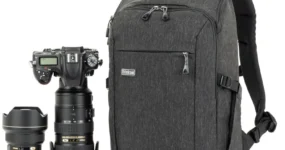



[…] Best Mirrorless Cameras in 2025 […]
[…] sure which Canon, Nikon, Sony, or Fujifilm mirrorless camera fits your budget? Check our Best Mirrorless Cameras in 2025 guide for a full […]